

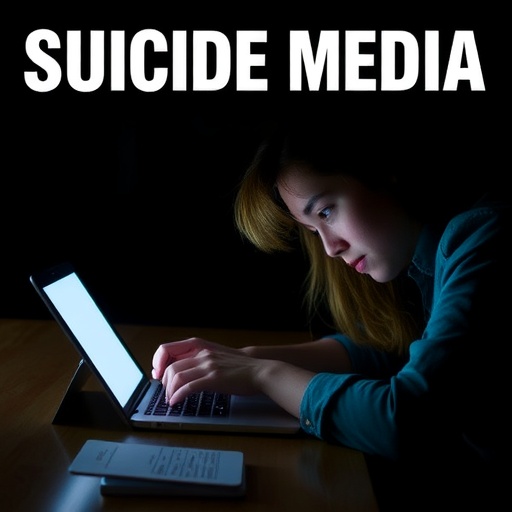
In a groundbreaking study exploring the intersections of parental dysfunction and adolescent mental health, researchers Wu, Liu, and Hung have provided a critical analysis of suicide notes retrieved from social media platforms. Their findings reveal the multifaceted relationship between family dynamics and the mental well-being of adolescents, a demographic increasingly affected by mental health crises in today’s fast-paced digital age. The study, which is set to be published in the upcoming issue of “Annals of General Psychiatry,” employs an innovative application of artificial intelligence to scrutinize language patterns indicative of emotional distress.
The use of AI in psychology is relatively new but quickly gaining traction, as powerful algorithms can sift through vast quantities of text, identifying patterns and sentiments that human analysts might overlook. Researchers leveraged this technology to analyze a significant dataset of social media posts and suicide notes, providing crucial insights into the underlying issues faced by young people today. This approach not only enhances the accuracy of mental health assessments but also streamlines the process of gaining an understanding of adolescent struggles, making it a transformative tool in psychological research.
Parental dysfunction, a term that encompasses a range of familial issues such as neglect, abuse, and poor communication, has long been linked to adverse outcomes for children. This new research builds on existing literature by providing real-time sentiments expressed in suicide notes, shining a stark light on the emotional turmoil adolescent individuals experience as a result of their family environments. The AI-aided analysis highlights specific phrases and emotional keywords that correlate with feelings of hopelessness, despair, and a yearning for connection.
One striking finding of this research is that adolescents frequently exhibit a desire for parental support in their final messages. The notes frequently reveal an internal conflict characterized by distress stemming from familial relationships. The nuances manifested in language used in these notes underscore the urgent need for improved communication strategies within families, emphasizing that open dialogues could prove vital to preventing such tragedies.
Moreover, the study’s innovative methodology allows for the exploration of nuanced emotional undercurrents without the biases that may arise from traditional qualitative analyses. By employing machine learning algorithms, the researchers could dissect language into quantifiable data, enabling them to correlate specific emotional cues with identifiable risk factors linked to parental dysfunction. This data-driven approach has resulted in deeper insights regarding at-risk youth, offering new avenues for mental health interventions.
Additionally, the researchers found a consistent theme of isolation among adolescents grappling with parental dysfunction. The suicide notes often conveyed a profound sense of loneliness, highlighting a need for social support systems that extend beyond conventional family structures. The stark reality illustrated by these findings is that many adolescents turn to social media as their primary outlet, often feeling unheard and unseen by their immediate familial circles. This emphasizes the critical need for interventions that engage not just the individual, but their communities as well.
In terms of preventive measures, the implications of this study are multifold. Mental health professionals can harness the insights gained from AI analyses to create targeted support programs that address these specific familial challenges. By tailoring workshops and counseling strategies toward improving parental engagement and communication, stakeholders can foster healthier family dynamics that promote emotional resilience in adolescents.
The research also calls attention to the role of social media platforms in this equation. As facilitators of both communication and expression, these platforms offer a unique opportunity for outreach and mental health advocacy. By cultivating environments that encourage seeking help and sharing experiences, social media can be transformed from a site of isolation to a resource for communal support and understanding.
Perhaps one of the most significant revelations of this research is the urgent need to address not only the symptoms but also the root causes of mental health issues in adolescents. Understanding the intricacies of parental dysfunction may provide crucial leverage in designing interventions that target these underlying dynamics before they escalate into crises. As this study reveals, the intersection of familial challenges and mental health is far too complex to be overlooked in discussions surrounding youth wellness.
In light of these findings, it is incumbent upon policymakers, educators, and mental health professionals to prioritize the well-being of adolescents by investing in programs that address the three fundamental elements of the adolescent experience: parental involvement, emotional literacy, and social connectivity. It is this triad that can serve as a protective shield against the tide of mental health challenges that too often plague today’s youth.
The ramifications of parental dysfunction extend well beyond individual adolescents; they ripple through communities and impact broader societal health. By engaging families in therapeutic processes and promoting open communication, communities can begin to heal the rifts that underpin many adolescents’ struggles. The responsibility falls on multiple fronts—families, schools, and society at large—to create an environment conducive to safe expression and emotional growth.
As we navigate an increasingly digital age, the insights garnered from Wu, Liu, and Hung’s research emphasize the urgent need for integrating technology with mental health practices. By adopting AI as a standard tool in psychological research, we can ensure that we remain at the forefront of understanding the complexities of mental health crises among adolescents, ultimately leading to more effective interventions and preventative strategies.
This revealing research serves as a rallying cry for all of us to take a closer look at the dynamics within our families and communities. As mental health continues to be a vital issue in contemporary society, it is our collective responsibility to foster environments that prioritize empathy, support, and effective communication, thereby uplifting the younger generations who stand at the precipice of their futures.
In conclusion, Wu, Liu, and Hung’s study provides an essential framework that underscores the importance of parental roles in adolescent mental health. As we move forward, it is crucial to take these findings to heart, ensuring that mental health support is not merely reactive but rather proactive, geared toward nurturing resiliency and fostering healthy family interactions.
Subject of Research: Impact of parental dysfunction on adolescent mental health
Article Title: Parental dysfunction and adolescent mental health: AI-aided content analysis of suicide notes on social media
Article References: Wu, J., Liu, Y., Hung, T. et al. Parental dysfunction and adolescent mental health: AI-aided content analysis of suicide notes on social media. Ann Gen Psychiatry 24, 32 (2025). https://doi.org/10.1186/s12991-025-00568-8
Image Credits: AI Generated
DOI: https://doi.org/10.1186/s12991-025-00568-8
Keywords: Parental dysfunction, adolescent mental health, suicide notes, social media, AI analysis, emotional distress.


