

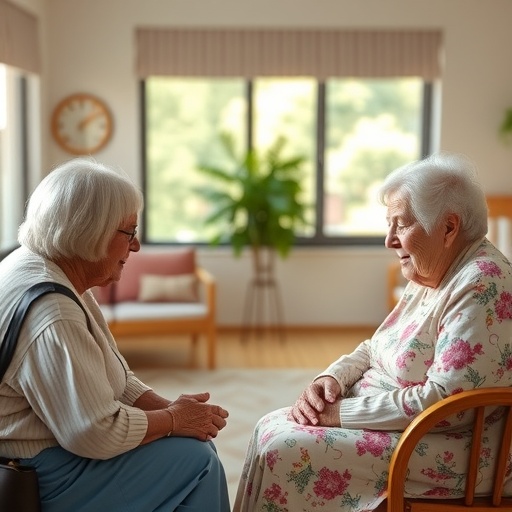
As the world grappled with the devastating COVID-19 pandemic, nursing homes became unpredictable epicenters of both viral outbreaks and emotional turmoil. A recent study published in BMC Geriatrics sheds new light on a deeply troubling aspect of the pandemic: the profound social isolation experienced by residents of nursing homes, seen through the eyes of their relatives who endured negative consequences themselves. This research explores the multifaceted lessons gleaned from enforced separation, examining the emotional, psychological, and systemic impacts that unfolded within these vulnerable communities across the pandemic timeline.
During the height of the COVID-19 epidemic, nursing homes were subjected to stringent lockdown measures designed to protect their elderly residents, universally recognized as among the most at risk for severe outcomes. These measures, however well-intentioned, resulted in unprecedented social isolation. The study employed group interviews with family members of nursing home residents who reported overwhelmingly negative experiences, offering a poignant perspective rarely captured in large-scale epidemiological reports. These narratives highlight the invisible yet profound toll that restricted visitation policies exacted—not just on the residents themselves, but also on the extended familial networks essential to their wellbeing.
Technically, social isolation in older adults is associated with elevated risks for a broad spectrum of adverse health outcomes including cognitive decline, depression, and a weakened immune response. The study contextualizes these impacts within the pandemic framework, drawing from qualitative data that emphasize the psychological distress caused by the sudden severance of social connections. Relatives described the emotional anguish of being unable to physically check on their loved ones, exacerbated by communication barriers inherent to remote interactions, such as technological limitations or sensory impairments common among elderly residents. This breakdown of relational continuity highlights critical vulnerabilities in the design of emergency protocols for long-term care facilities.
Moreover, the negative experiences reported underscored the challenges of maintaining care quality when social support structures are disrupted. Relatives expressed concerns about the decline in residents’ emotional wellbeing, observing signs of loneliness, confusion, and physical deterioration that arguably might have been mitigated through more nuanced visitation policies. These testimonies also revealed a systemic tension between infection control priorities and holistic caregiving principles, pointing to the need for evidence-based guidelines that better balance epidemiological risk with psychosocial health.
From a technical standpoint, the study introduces the concept of “social health as a determinant of clinical outcome,” a growing paradigm that positions interaction and connection on par with traditional medical interventions in managing geriatric populations. The data underline that during infectious disease outbreaks, safeguarding the social fabric around nursing home residents is not merely an auxiliary concern—it is integral to reducing morbidity and mortality. The findings call for innovation in healthcare delivery models, including enhanced technological solutions for remote engagement and the implementation of safe, adaptive visitation protocols even during public health emergencies.
The group interviews also elucidated divergent experiences based on facility characteristics, such as size, staffing levels, and technological infrastructure. Facilities with better access to digital communication tools and trained staff who facilitated virtual interactions were reported to mitigate some of the negative impacts of isolation. Conversely, residences with minimal resources tended to amplify feelings of abandonment among residents and relatives alike. These disparities spotlight critical equity issues that must be confronted in pandemic preparedness planning to avoid exacerbating vulnerability in already disadvantaged populations.
Importantly, the research highlights a discrepancy between official public health messaging and the lived experiences of families, whose empathetic needs were often overlooked. Relatives reported inconsistent communication from nursing homes and felt marginalized in decision-making processes. This structural alienation deepened distrust and contributed to a sense of helplessness, adding another layer of psychological burden. Such findings underscore the necessity of integrating family engagement strategies as core components of crisis management frameworks.
Delving deeper into the social dynamics, the study illuminates the role of social networks in buffering psychological stress. The abrupt removal of physical presence broke routine interactions that served as emotional anchors for residents. The resultant isolation not only compromised mental health but also impaired cognitive stimulation essential for maintaining mental acuity. By framing social connection as a therapeutic intervention, the study advocates for policies that preserve these critical linkages even amidst stringent infection control measures.
Another significant technical insight concerns the impact of pandemic-induced isolation on staff wellbeing within nursing homes. Staff burnout and moral distress surged as caregivers had to reconcile the demands of infection control with the evident emotional decline of residents under their watch. This internal tension increased turnover rates and compromised continuity of care, highlighting systemic weaknesses exacerbated by the pandemic. Recognizing caregiver wellbeing as intertwined with resident welfare, the study supports comprehensive support systems to bolster staff resilience and sustain care quality.
To address these multifactorial challenges, the authors propose a multi-layered approach that incorporates technological innovation, flexible visitation models, enhanced communication protocols, and systemic reforms to staff training and support. Innovations such as virtual reality visitations or AI-facilitated emotional support tools are posited as future directions to bridge gaps in social interaction without compromising safety. The study’s recommendations emphasize the importance of preparedness frameworks that incorporate social determinants of health as fundamental components rather than afterthoughts.
In synthesizing these findings, the study clearly articulates that social isolation is not a benign side effect of infection control but a critical determinant of holistic health outcomes. The devastating impact of the COVID-19 pandemic on nursing home residents and their families serves as a cautionary tale about balancing epidemiological imperatives against human needs. Future pandemic response strategies must prioritize integrative care approaches that sustain social bonds while managing infectious risks to prevent replicating the unintended harms witnessed.
The emotional narratives captured in this research humanize the statistical data widely reported throughout the pandemic, providing a nuanced understanding of the psychological cost borne by the most vulnerable. It propels urgent discourse within public health circles on ethical responsibilities toward elderly populations in crisis settings, advocating for proactive measures that preserve dignity, autonomy, and connection. By spotlighting relatives’ voices, the study elevates the relational dimension of caregiving as essential to public health resilience.
As new variants and global health threats loom on the horizon, the lessons extracted from this profound social isolation experience must inform proactive policies. Integrated cross-sector collaboration among healthcare providers, policymakers, technologists, and social scientists is paramount to devising sustainable solutions. The ultimate goal is a care ecosystem that is not only clinically effective but also emotionally sustaining, thereby ensuring that protective measures do not come at the cost of human connection.
This groundbreaking investigation into the intersection of social isolation, elder care, and pandemic management paves the way for transformative change in healthcare delivery models. It challenges stakeholders to rethink emergency protocols through a human-centered lens and to prioritize innovations that respect the psychosocial dimensions of health. The reverberations of the COVID-19 crisis in nursing homes underscore the critical necessity of embedding social health at the heart of geriatric care, an imperative that will resonate far beyond the current pandemic and shape future public health paradigms.
Subject of Research: Lessons learned from social isolation in nursing homes during the COVID-19 epidemic, focusing on relatives’ experiences with negative impacts.
Article Title: Lessons learned from social isolation in nursing homes during the COVID-19 epidemic—group interview with relatives with negative experiences.
Article References:
Skela-Savič, B., Pivač, S. & Squires, A. Lessons learned from social isolation in nursing homes during the COVID-19 epidemic—group interview with relatives with negative experiences. BMC Geriatr (2026). https://doi.org/10.1186/s12877-026-07370-5
Image Credits: AI Generated
DOI: 10.1186/s12877-026-07370-5


