

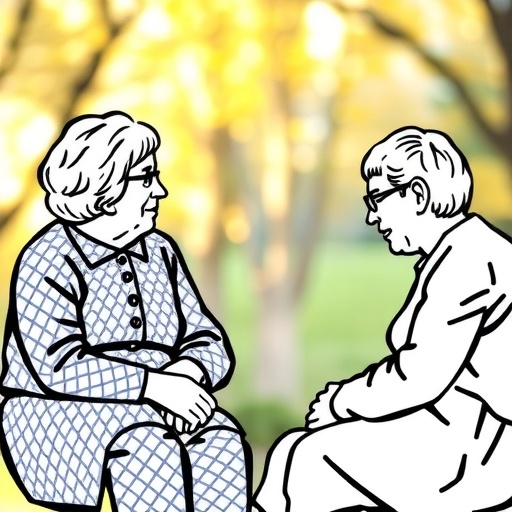
In the rapidly evolving landscape of geriatric health, the intricate interplay of social dynamics and physical well-being has garnered increasing attention from researchers and healthcare practitioners alike. A recent study conducted by Ergan et al. delves into these critical relationships, exploring how social exclusion and loneliness in elderly individuals impact their balance, susceptibility to falls, and overall quality of life. This vital research not only sheds light on the challenges faced by the aging population but also highlights potential therapeutic avenues for improving their well-being.
As societies progress, the phenomenon of social exclusion has become increasingly prominent, especially among older adults. Many elders face a multitude of barriers that restrict their social interactions, leading to feelings of isolation and loneliness. This study posits that such social detachment could significantly elevate the risk of falls, a leading cause of injury and morbidity in this demographic. By identifying the confluence of these issues, the research underscores the urgent need for targeted interventions that foster social engagement and promote physical health.
Balance, a fundamental aspect of our physical functioning, can be severely compromised in individuals who experience high levels of loneliness or social exclusion. The study draws parallels between emotional well-being and physical stability, suggesting that enhances in one area could bolster the other. Elderly individuals who engage regularly in social activities are likely to exhibit better balance and reduced risk of falls, which correlates with maintaining an active and fulfilling life.
Moreover, this research provides crucial insight into the quality of life among community-dwelling elderly individuals. Quality of life is a multifaceted construct encompassing not only physical health but also emotional and social dimensions. The authors argue that enhancing social networks among the elderly could yield significant improvements in their perceived quality of life, paving the way for innovative community programs designed to encourage social interaction.
The methodology employed in this study is meticulous and thorough. Researchers analyzed a wide-ranging sample of elderly individuals living in the community to capture diverse experiences and perspectives. By utilizing validated measures for loneliness, social exclusion, balance, and quality of life, the authors ensure robust and reliable data that can stand the test of scrutiny. This rigorous approach lends credence to their findings and reinforces the importance of empirical research in geriatric studies.
A particularly striking outcome of the study is the nuanced understanding of how social exclusion manifests in different individuals. Factors such as age, gender, and previous life experiences contribute to the degree of social isolation experienced by elderly adults. The research highlights the necessity for personalized approaches in addressing these issues, as a one-size-fits-all solution may not adequately cater to the unique circumstances of each individual.
Furthermore, the implications of this work extend beyond academic discourse into practical applications for healthcare providers and policymakers. The findings advocate for integrating social support systems into healthcare initiatives for the elderly, as promoting connectivity can lead to tangible health benefits. As health systems worldwide grapple with aging populations, incorporating social wellness into care plans could significantly enhance health outcomes.
Emerging technologies and digital platforms also present fascinating opportunities to counteract social exclusion. The study hints at the potential for virtual communication as a tool to connect socially isolated elderly individuals, particularly in the wake of the COVID-19 pandemic, which has exacerbated feelings of loneliness. However, researchers caution that while technology can aid connection, it cannot replace the value of face-to-face interactions entirely.
In light of these observations, future research should prioritize investigating how varied interventions can mitigate social exclusion’s effects on elderly populations. Longitudinal studies and pilot programs that test the effectiveness of structured social engagement initiatives could prove invaluable. Understanding which strategies yield the most significant benefits can drive policy changes and secure funding for essential services aimed at this vulnerable segment of the population.
In conclusion, the interplay between social exclusion, loneliness, balance, and quality of life in elderly individuals presents a complex but critical area for ongoing research and intervention. The study by Ergan et al. encapsulates the pressing need for societies to support their aging populations through enhanced social networks and health initiatives. As the world continues to age, understanding these relationships is paramount to fostering resilience and enhancing the quality of life among our senior citizens.
To summarize, the ramifications of this study extend deeply into the realms of public health and social policy. It serves as a clarion call for greater awareness and action surrounding the social needs of the elderly. By addressing social isolation head-on, we can cultivate healthier, more vibrant communities that honor the lives and livelihoods of all their members.
Subject of Research: The impact of social exclusion and loneliness on physical health and quality of life in elderly individuals.
Article Title: The relationship between social exclusion and loneliness with balance, falls and quality of life in community-dwelling elderly individuals.
Article References:
Ergan, M., Keskin, T., Başkurt, Z. et al. The relationship between social exclusion and loneliness with balance, falls and quality of life in community-dwelling elderly individuals.
BMC Geriatr (2026). https://doi.org/10.1186/s12877-025-06933-2
Image Credits: AI Generated
DOI:
Keywords: social exclusion, loneliness, balance, falls, quality of life, elderly individuals, community health.


