

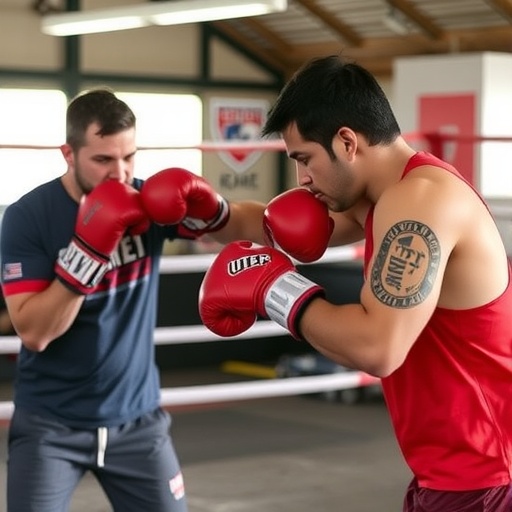
A groundbreaking study conducted by researchers at The University of Texas at El Paso (UTEP) reveals that a focused six-week boxing training regimen can lead to significant cardiovascular benefits for young adults grappling with elevated blood pressure or Stage 1 hypertension. This provides a promising, non-pharmacological approach to managing a condition typically viewed as a medical concern requiring lifelong medication. Led by Alvaro Gurovich, Ph.D., chair of the Department of Physical Therapy and Movement Sciences at UTEP, the research offers compelling evidence that structured physical activity rooted in boxing not only lowers blood pressure but also enhances vascular function, a critical factor in cardiovascular health.
Hypertension is commonly recognized as a silent yet potent contributor to major health complications, including heart disease and stroke, both leading causes of mortality worldwide. The study addresses a crucial demographic often underrecognized: young adults in the early stage of hypertension who may remain unaware of their condition. Such individuals represent a key target for preventive interventions. By demonstrating the effectiveness of boxing exercises—an engaging and accessible form of physical activity—the study opens the door to innovative clinical strategies that could revolutionize cardiovascular risk management in this vulnerable group.
Published in the peer-reviewed journal Sports, this investigation stands out as the first randomized controlled trial specifically designed to examine the cardiovascular and vascular effects of boxing training on young adults with elevated blood pressure. The rigorous design focused on a controlled cohort of 24 participants averaging 25 years of age, randomly divided into two groups. The intervention group engaged in a thrice-weekly boxing program comprising ten three-minute rounds of heavy bag and mitt work exercises, punctuated by short rests, whereas the control group performed flexibility and balance routines matched in frequency and duration.
The findings were striking. After six weeks, those in the boxing group experienced an average systolic blood pressure reduction of 16 millimeters of mercury (mmHg) and a diastolic decrease of 10 mmHg. Such decreases rival, and in some instances surpass, results commonly reported from pharmaceutical agents prescribed for hypertension. Of particular note was the decline in central systolic blood pressure, a measurement increasingly valued for its superior predictive power for cardiovascular events compared to traditional arm cuff readings. This parameter evaluates pressure in the aorta, reflecting the load directly experienced by critical organs such as the heart and brain.
Understanding these pressure metrics is essential for appreciating the clinical significance of the study’s outcomes. Systolic pressure corresponds to the force exerted on arterial walls during cardiac contraction, while diastolic pressure refers to the pressure during cardiac relaxation phases. Normal blood pressure is defined as less than 120 mmHg systolic and 80 mmHg diastolic, whereas Stage 1 hypertension lies between 130–139 mmHg systolic and 80–89 mmHg diastolic. The observed reductions in these metrics through boxing training suggest a reversal of early hypertensive pathology, heralding a meaningful decrease in long-term cardiovascular risk.
Beyond blood pressure, the research highlighted improved endothelial function in participants undergoing boxing exercise. The endothelium, the thin cellular layer lining blood vessels, plays a pivotal role in vascular health through regulation of blood flow, inflammation, and thrombosis. Enhanced endothelial responsiveness implies better vasodilation and improved blood supply to tissues, which collectively diminish the risk of atherosclerosis and subsequent cardiovascular events. The improved flexibility and responsiveness of vessels in both arms and legs signify systemic vascular benefits, not restricted to localized regions.
Dr. Gurovich emphasized that boxing is far more than a cardiovascular workout—it induces functional adaptations within the vascular system that directly mitigate the pathophysiological progression of hypertension. Such vascular remodeling is crucial for reducing the incidence of heart attack and stroke, particularly among younger populations who might otherwise face extended exposure to elevated blood pressure during their lifetimes. The engaging nature of boxing as exercise facilitates better adherence to training protocols and opens pathways for sustainable lifestyle changes.
Scott Kruse, Ph.D., dean of the UTEP College of Health Sciences, underscored the potential clinical impact of these findings. The research embodies a patient-centric approach, offering a captivating alternative to medication and simple lifestyle advice that often struggles to achieve adherence. By harnessing the dynamics of boxing’s interval training, this protocol combines high-intensity bursts with active recovery, optimizing cardiovascular stress adaptation without undue risk or monotony commonly found in other exercise forms.
The researchers acknowledge that future studies are pivotal to explore the extent of these benefits across broader demographics, including older populations and individuals practicing boxing outside structured research protocols. Additionally, longitudinal studies could determine if these improvements translate into sustained reductions in cardiovascular events and mortality, thereby solidifying boxing as a clinically endorsed therapeutic exercise modality.
Collaborative efforts in this research involve Dr. Francisco Morales-Acuña, lead author and doctoral candidate at the time in the Clinical Applied Physiology Laboratory at UTEP. Partnerships with Universidad de Santiago de Chile and Universidad Andrés Bello enriched the study, adding international perspectives on innovative hypertension management through physical training. The interdisciplinary approach leveraging clinical physiology, physical therapy, and sports science fosters new paradigms in the treatment and prevention of vascular disorders.
UTEP’s position as a top-tier Hispanic-serving institution adds unique value to this research because it reflects health challenges and interventions relevant to diverse and often underserved populations. The findings have implications beyond clinical trials to real-world applications where accessible and culturally resonant exercise interventions are integral to public health strategies. This research contributes to reducing the global burden of cardiovascular diseases by advocating for exercise-based therapies that are both scientifically validated and culturally engaging.
In conclusion, this study profoundly advances our understanding of how intensive, short-duration boxing training can profoundly influence vascular function and blood pressure management in young adults at risk for hypertension. These unexpected clinical benefits challenge the status quo of hypertension treatment and highlight the untapped potential of sport-derived exercise regimens in disease modification. As hypertension continues to exert a devastating health toll worldwide, such innovative, evidence-based exercise prescriptions offer hope for reversing the tide through empowering physical activity.
Subject of Research: Effects of six weeks of boxing training on blood pressure and vascular function in young adults with elevated blood pressure or Stage 1 hypertension
Article Title: Six Weeks of Boxing Training Lowers Blood Pressure and Improves Vascular Function in Young Men and Women with Elevated Blood Pressure or Stage 1 Hypertension
News Publication Date: March 24, 2026
Web References:
Image Credits: The University of Texas at El Paso
Keywords: Hypertension, cardiovascular disorders, vascular diseases, human health, physical exercise, physical therapy, sports, sports medicine


