

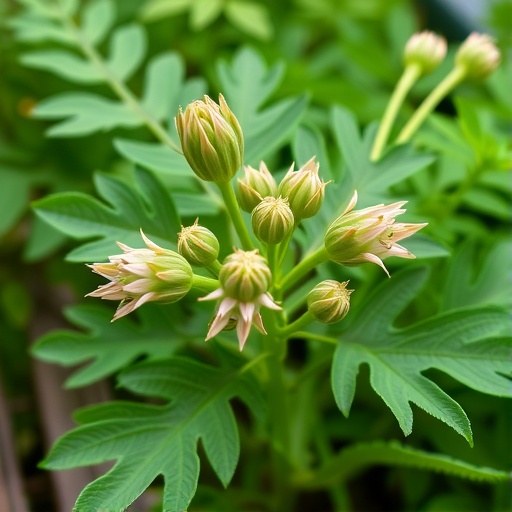
In an exciting breakthrough, recent research has spotlighted the potential of Silybum marianum, commonly known as milk thistle, as a next-generation multifunctional therapeutic agent. The study, conducted by prominent researchers including Akhtar, Saadia, and Irfan, thoroughly examines the phytochemical composition of the milk thistle extract and its multifaceted biological activities. This significant investigation is poised to reshape our understanding of natural extracts and their potential in modern medicine, particularly within the realms of antioxidants, antidiabetics, antimicrobials, anti-inflammatories, and anti-biofilm agents.
Milk thistle has long been revered in traditional medicine for its beneficial effects on liver health, largely attributed to its active component, silymarin. However, this new research goes beyond liver protection, uncovering an array of bioactive properties that position Silybum marianum as a versatile therapeutic candidate. The comprehensive analysis conducted by the authors highlights the extract’s ability to combat oxidative stress, a key factor in the development of several chronic diseases, including diabetes and cardiovascular conditions. By counteracting free radicals, milk thistle extract demonstrates its powerful antioxidant capabilities.
Moreover, the antidiabetic properties of Silybum marianum are particularly noteworthy. The researchers conducted various in vitro assays that indicated the extract’s ability to lower blood glucose levels effectively. This finding is especially crucial, considering the rising global prevalence of diabetes. The potential of incorporating natural extracts such as milk thistle into diabetes management protocols could offer a safer and more holistic approach to treatment.
The antimicrobial effects exhibited by the milk thistle extract reveal another layer of its therapeutic potential. With rising concerns surrounding antibiotic resistance, the need for alternative antimicrobial agents has never been more urgent. The study’s findings show that Silybum marianum can inhibit the growth of various pathogenic bacteria and fungi, making it a promising candidate for developing new antimicrobial therapies. This aspect of the research opens up pathways for future studies to explore the extract’s efficacy against resilient strains of microbes.
In addition to its antioxidant and antimicrobial properties, the extract has also displayed compelling anti-inflammatory activities. Inflammation is a critical underlying mechanism in many diseases, including autoimmune disorders and chronic illnesses. The current investigation sheds light on how the phytochemicals in milk thistle can modulate inflammatory pathways, consequently reducing inflammation markers in clinical settings. This discovery highlights the dual role of Silybum marianum in not only preventing disease but also in potentially offering therapeutic relief for those already affected.
The researchers employed molecular docking techniques to validate their findings, providing a scientific basis for the biological activities observed. Molecular docking is an essential computational method used to predict how small molecules, like those in the extract, interact with specific biological targets. This sophisticated approach lends credence to the traditional uses of milk thistle and underlines its relevance in contemporary therapeutic strategies.
As the global scientific community grapples with health crises and the limitations of current medications, discoveries like those surrounding Silybum marianum bring hope. The potential for integrating such natural products into therapeutic regimens can pave the way for innovative treatments that are both effective and safe. Furthermore, the embrace of phytochemicals in modern medicine aligns with a growing trend towards natural remedies, emphasizing a holistic approach to health care.
The results of this groundbreaking research have implications that extend beyond medicinal use. Agricultural and nutritional sectors may also benefit from these findings. With a deeper understanding of the extract’s multifaceted benefits, there is potential for developing functional foods and supplements that capitalize on the health-promoting attributes of milk thistle. This intersection of nutrition and pharmacology could lead to new product offerings that enhance public health.
As this research gains traction, there are vital considerations regarding the sustainability and ethical sourcing of Silybum marianum. Ensuring that harvest practices are sustainable and that products derived from the plant are marketed transparently will be crucial as demand increases. The authors emphasize the importance of responsible sourcing to preserve the integrity of natural ecosystems while meeting therapeutic needs.
The scientific community eagerly anticipates further studies that will continue to unravel the complexities of Silybum marianum. While this research provides a solid foundation, the next step will involve clinical trials to establish the safety and efficacy of milk thistle extracts in various populations. Such studies will be instrumental in translating laboratory findings into applicable health solutions for patients worldwide.
The potential of Silybum marianum goes beyond simply treating individual conditions. The holistic approach that recognizes the interconnectedness of antioxidants, anti-inflammatory responses, and antimicrobial action represents a paradigm shift in how we view health and disease management. The insights gained from this research invite us to consider a more integrative model of health, one that embraces the natural world’s capacity to heal and protect.
As more data accumulates, one can only hope that holistic, plant-based therapies will gain wider acceptance among health care providers and patients alike. The integration of research-driven insights like those offered by Akhtar, Saadia, and Irfan will be essential in legitimizing the role of natural products in therapeutic strategies. The journey of Silybum marianum is just beginning, promising a bright future filled with potential for improved health outcomes worldwide.
In conclusion, the multifaceted properties of Silybum marianum underscore the invaluable role of phytotherapy in modern medicine. By bridging traditional knowledge with scientific inquiry, researchers are paving the way for natural products to play a significant role in health promotion and disease prevention. As we delve deeper into the medicinal potential of plants, we stand on the brink of remarkable discoveries that could transform therapeutic practices for generations to come.
Subject of Research: The therapeutic potential of Silybum marianum as a multifunctional extract.
Article Title: Silybum marianum extract as a next-generation multifunctional therapeutic: potent antioxidant, antidiabetic, antimicrobial, anti-inflammatory, and anti-biofilm activities validated by phytochemical profiling and molecular docking.
Article References: Akhtar, M.T., Saadia, M. & Irfan, M.I. Silybum marianum extract as a next-generation multifunctional therapeutic: potent antioxidant, antidiabetic, antimicrobial, anti-inflammatory, and anti-biofilm activities validated by phytochemical profiling and molecular docking. 3 Biotech 16, 26 (2026). https://doi.org/10.1007/s13205-025-04636-4
Image Credits: AI Generated
DOI: https://doi.org/10.1007/s13205-025-04636-4
Keywords: Silybum marianum, antioxidant, antidiabetic, antimicrobial, anti-inflammatory, phytochemical profiling, molecular docking.


