

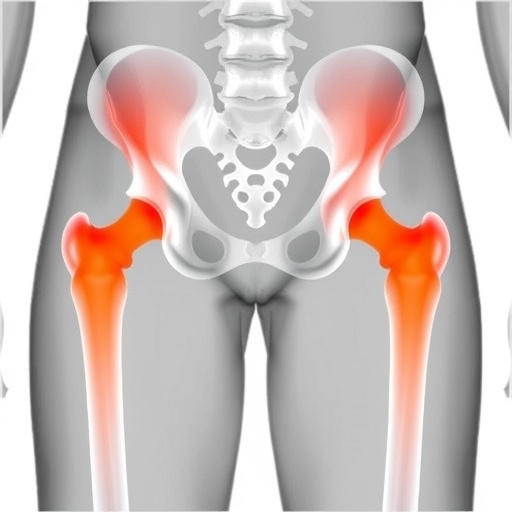
The impact of SARS-CoV-2 on various demographics has been a major focus of scientific inquiry since the onset of the pandemic. Among these studies, one particularly pressing area has emerged concerning geriatric patients who suffer from hip fractures. A recent multinational multicentre study, led by a team of researchers including Toporowski, Mueller-Mai, and Rascher, delves into the effects of different SARS-CoV-2 subvariants on postoperative outcomes in this vulnerable population. The implications of their findings are significant, as they shed light on a critical intersection between viral pathology and surgical recovery.
Geriatric patients, those typically aged 65 and older, are notoriously at higher risk for adverse outcomes following surgical interventions, especially in the case of hip fractures. These fractures not only impair mobility but can also have cascading effects on a patient’s overall health. The presence of SARS-CoV-2 subvariants complicates this scenario further. Between the emergence of novel variants and the biological mechanisms underpinning their behavior, understanding the intricate relationship between these variables is crucial for healthcare providers.
The researchers conducted their study in multiple hospitals across various countries, seeking to gather a large and diverse sample of data. This broad geographic approach not only enriches the findings but also allows for a comparative analysis of how different healthcare systems respond to similar challenges. The implications of understanding SARS-CoV-2’s impact on postoperative recovery cannot be understated; they could potentially inform guidelines for both preoperative and postoperative care in geriatric patients.
Among the critical factors assessed in this study were the types of SARS-CoV-2 subvariants that had been predominant during the respective time frames of surgeries and hospital admissions. This differentiation is essential, as different subvariants exhibit varying levels of virulence and transmissibility. For instance, the Alpha variant displayed distinct characteristics compared to the Delta variant, particularly regarding hospitalization rates and length of stay. The study meticulously documented these characteristics, providing clarity on how specific subvariants might influence recovery trajectories among older adults.
Postoperative complications such as infections, prolonged hospital stays, and even mortality were measured and analyzed. The findings indicate a notable variance in these complications attributable to SARS-CoV-2 subvariants. For instance, certain subvariants appeared to correlate with higher rates of pneumonia, a concerning outcome that can severely hinder the recovery process in geriatric patients. By illustrating such relationships, this research equips clinicians with the information necessary to anticipate and potentially mitigate these risks.
Another intriguing aspect of this study is the incorporation of vaccination status into the analysis. The researchers assessed whether being fully vaccinated against COVID-19 altered the outcomes for patients recovering from hip fractures. The evolving understanding of vaccine efficacy against different SARS-CoV-2 subvariants has significant implications. The findings could influence future vaccination recommendations for older adults, particularly in light of new emerging variants.
Mental health, a facet often overlooked during postoperative assessments, was also examined. The psychological impact of both surgery and the subsequent threat posed by COVID-19 cannot be underestimated. For geriatric patients, the additional stress of the pandemic, compounded by recovery from surgery, can lead to increased incidences of anxiety and depression, which may, in turn, affect physical recovery. This multifaceted approach offers insights not only into the physical but also the psychosocial dimensions of patient care.
The study’s multinational and multicentre design allows for a rich tapestry of data collection, where variations in healthcare practices across borders can be evaluated. For instance, surgical protocols, patient care standards, and even social determinants of health can differ significantly depending on the region. By pooling data from multiple sources, the researchers offer a comprehensive overview that highlights both universal challenges and localized solutions in addressing postoperative care during the pandemic.
Future directions stemming from this research are plentiful. As new variants continue to emerge, ongoing research will be essential to keep pace with the evolving landscape of the virus. Continuous monitoring of postoperative outcomes and the associated factors across different demographics will be vital in tailoring effective treatment protocols. Furthermore, as technology advances, the potential for remote monitoring and telehealth solutions for geriatric patients could further enhance recovery programs.
It is crucial for the medical community to remain cognizant of the lasting implications of this research. The integration of findings into clinical practice could result in more nuanced approaches to surgical care, particularly for older adults who are already at a heightened risk for complications. The potential to refine surgical guidelines and postoperative care protocols based on real-world data represents a significant step forward in improving patient outcomes amid the ongoing challenges posed by the pandemic.
As the global health community navigates the ongoing impact of COVID-19, studies such as this illuminate the layered complexities involved. Postoperative care for geriatric patients, already fraught with challenges, has been further complicated by the viral landscape. However, through diligent research and a commitment to understanding these phenomena, healthcare professionals can better equip themselves to support this vulnerable population.
Ultimately, the interplay between SARS-CoV-2 subvariants and postoperative outcomes in geriatric hip fracture patients underscores the importance of adaptive strategies in clinical medicine. Understanding the nuances of how different variables affect recovery can yield significant advancements in patient care, allowing for targeted interventions that can dramatically improve outcomes in this highly susceptible group.
As we move forward, the call to action for healthcare providers is clear: to integrate these findings into everyday practice and to remain vigilant in adapting care protocols as new data and variants emerge. The health and well-being of the geriatric population depend on our collective ability to respond effectively to the challenges posed by both surgical care and the lingering effects of COVID-19.
Subject of Research: The impact of SARS-CoV-2 subvariants on postoperative outcomes in geriatric hip fracture patients.
Article Title: Impact of SARS-CoV-2 subvariants on postoperative outcomes in geriatric hip fracture patients – a multinational multicentre study.
Article References:
Toporowski, G., Mueller-Mai, C.M., Rascher, K. et al. Impact of SARS-CoV-2 subvariants on postoperative outcomes in geriatric hip fracture patients – a multinational multicentre study.
BMC Geriatr (2025). https://doi.org/10.1186/s12877-025-06840-6
Image Credits: AI Generated
DOI: 10.1186/s12877-025-06840-6
Keywords: SARS-CoV-2, subvariants, geriatric patients, hip fractures, postoperative outcomes, multicultural study, healthcare, vaccination, mental health, surgery recovery.


