

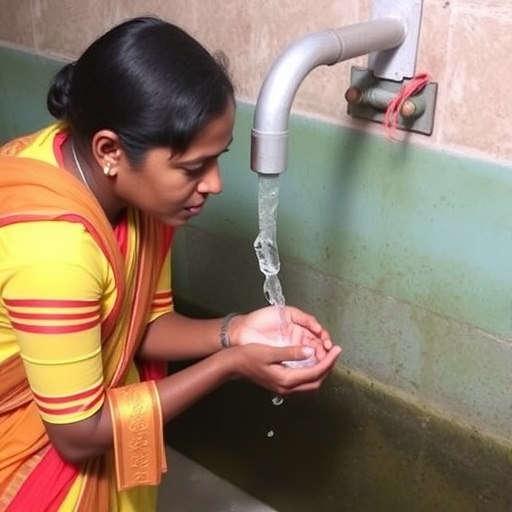
In the quest for safe and potable water, the utilization of chlorination in water and wastewater treatment has been pivotal. However, this conventional method poses significant challenges due to the formation of disinfection by-products (DBPs), which raise safety concerns. A recent study conducted by researchers in Tamil Nadu has brought to light these challenges, providing critical insights into alternative disinfection methods that may offer a solution for safer drinking water.
The research, led by Kanmani, S. and colleagues, takes a comprehensive look at the formation of DBPs in various water treatment settings across Tamil Nadu. This region, facing acute water quality issues, underscores the importance of exploring alternatives to traditional chlorination. Their findings suggest that although chlorination is effective in killing pathogens, it inadvertently leads to the generation of harmful by-products, including trihalomethanes (THMs) and haloacetic acids (HAAs). These compounds have been linked to long-term health risks, including cancer.
Throughout their investigation, the researchers have meticulously identified and quantified the various types of DBPs emerging from water treatment practices. The study spots a worrying trend where chlorinated water sources consistently demonstrate elevated levels of DBPs. It has become increasingly apparent that while chlorination remains a cornerstone in disinfection processes, relying solely on this method is fraught with challenges that necessitate further examination.
The scientists have embarked on an alternative disinfection assessment by analyzing different strategies that could minimize DBP formation without compromising microbial safety. For instance, they explored utilizing ultraviolet (UV) light and ozone as potent disinfectants. Their initial results indicate that these methods can significantly reduce DBP occurrences when deployed alongside or as a replacement for chlorination.
Ozone treatment, in particular, emerged as a leading contender due to its ability to oxidize organic matter more effectively than chlorine. This characteristic reduces the likelihood of forming problematic DBPs, ensuring that water remains safe for public consumption. However, the implementation of ozone-based systems in Tamil Nadu requires careful consideration of its operational costs and technological requirements.
Additionally, the team’s study emphasizes the potential of chloramination, a process that employs ammonia in conjunction with chlorine. While still a chlorine-based solution, this method has demonstrated decreased DBP formation compared to conventional chlorination. As they explore this option, the researchers highlight the need for local authorities to evaluate the feasibility of transitioning to chloramination in the context of Tamil Nadu’s existing infrastructure and resources.
Crucially, the research underscores the significance of public awareness and education regarding water treatment practices. Disinfection by-products are often overlooked in public discourse about water safety. A proactive stance on informing communities about DBPs and their health implications could foster greater engagement in local water management initiatives. This cultural shift may ultimately lead to a more informed population that supports innovations in water treatment technologies.
Moreover, treatment facilities in Tamil Nadu face logistical and financial obstacles that hinder the adoption of these advanced disinfection strategies. The researchers advocate for policy changes and investments aimed at integrating cutting-edge treatment options. Such initiatives are imperative not only for public health but also for environmental sustainability, as poorly managed water treatment processes can contribute to ecological degradation.
As they conclude their study, the authors emphasize the urgent need for further research on the long-term effects of alternative disinfection methods. Understanding the full scope of how these approaches interact with existing water sources is essential for refined safety protocols. The collective data and insights gleaned from ongoing studies will be crucial in shaping future water quality regulations in Tamil Nadu and beyond.
This vital research represents a turning point in the conversation surrounding water safety and treatment practices. Its implications extend well beyond Tamil Nadu, echoing in regions across the globe grappling with similar challenges tied to disinfection by-products. Ultimately, the ongoing exploration of chlorination alternatives encapsulates a broader movement toward innovative solutions that resonate with the critical need for safer water.
In summary, the study authored by Kanmani and his team showcases a multi-faceted approach to addressing the formation of disinfection by-products in water treatment. By evaluating alternatives, they not only chart a course for improved public health outcomes but also advocate for a sustainable and informed future regarding water safety discourse. With a growing understanding of the implications surrounding DBPs, it is incumbent upon both policymakers and the public to engage proactively with these insights and drive change in water treatment practices.
In a world where clean water is increasingly precious, initiatives sparked by research like this could be the key to preserving our most vital resource. The continued investigation into DBPs and alternative disinfection methods is not just a scientific endeavor; it is a necessary step toward ensuring a healthier, more sustainable environment for future generations.
Subject of Research: Formation of disinfection by-products in water and wastewater treatment systems
Article Title: Formation of disinfection by-products (DBPs) in water and wastewater treatment systems in Tamil Nadu: evaluating chlorination alternatives for safer water quality.
Article References:
Kanmani, S., Kumar, P.G., Nizzy, A.M. et al. Formation of disinfection by-products (DBPs) in water and wastewater treatment systems in Tamil Nadu: evaluating chlorination alternatives for safer water quality. Environ Monit Assess 198, 22 (2026). https://doi.org/10.1007/s10661-025-14877-8
Image Credits: AI Generated
DOI: https://doi.org/10.1007/s10661-025-14877-8
Keywords: Disinfection by-products, water quality, chlorination alternatives, Tamil Nadu, ozone treatment, UV treatment, chloramination, public health.


