

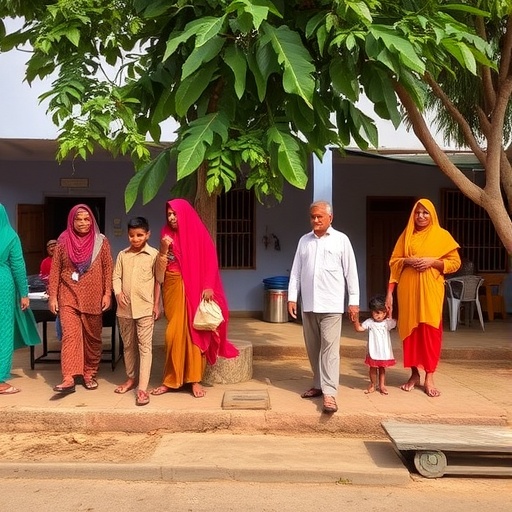
The Rohingya crisis, a humanitarian catastrophe that has gripped the attention of the international community, has reached alarming proportions, particularly in Bangladesh. This ongoing crisis involves the mass displacement of the Rohingya people, a Muslim ethnic minority group from Myanmar, fleeing violence and persecution. Since 2017, over a million Rohingya have sought refuge in makeshift camps in Bangladesh, primarily in the Cox’s Bazar district. The sheer scale of this migration is unprecedented, and the social, economic, and political ramifications for both the refugees and the host communities are profound.
The influx of Rohingya refugees has placed an immense burden on the already fragile infrastructure of Bangladesh, a country that has long grappled with its own set of socioeconomic challenges. The refugee camps, often overcrowded and lacking in basic services, are breeding grounds for a myriad of health issues. Cholera, malnutrition, and mental health problems have surged, exacerbated by inadequate sanitation and limited access to medical care. The humanitarian response, while commendable, is struggling to keep pace with the needs of the displaced population. Aid organizations are stretched thin, and funding shortages are impeding the delivery of essential services.
In addition to health concerns, the Rohingya crisis poses significant challenges to social cohesion in Bangladesh. Tensions between host communities and refugees have been reported, fueled by competition for resources such as water, food, and job opportunities. Local residents are often sympathetic to the plight of the Rohingya; however, their patience wears thin as they face their own economic hardships. The Dhaka government has made efforts to manage the situation through policies aimed at integrating Rohingya into local communities, but these initiatives have met with mixed results and skepticism from both sides.
Furthermore, the educational needs of Rohingya children remain a critical issue. Many refugee children have been denied access to formal education, leading to a generation at risk of being left behind. Without a focus on education, there is a significant risk that these children will fall into cycles of poverty and extremism. Various NGOs are working to establish makeshift schools and vocational training programs, but these efforts often lack the necessary resources and support to be sustainable in the long run.
The long-term prospects for the Rohingya community hinge on the broader geopolitical context. Myanmar’s political landscape remains unstable, particularly following the military coup in 2021. The international response has been tepid, with calls for accountability and justice for the Rohingya largely ignored by Myanmar’s leaders. The Rohingya’s right to return safely to their homeland hinges on security guarantees that currently seem unattainable. Advocacy groups are pressuring global powers to intervene, yet the geopolitical complexity surrounding Myanmar complicates these efforts.
Climate change further compounds the Rohingya crisis in Bangladesh. The coastal region where many refugees reside is vulnerable to natural disasters such as cyclones and floods. As sea levels rise and extreme weather patterns become more frequent, the risk of displacement is heightened not just for the Rohingya but for the local Bangladeshi population as well. This environmental vulnerability necessitates a comprehensive approach that includes disaster preparedness and resilience-building strategies.
The financial implications of the Rohingya crisis on Bangladesh’s economy are significant. While the country has received international praise for its humanitarian approach, the cost of hosting such a large refugee population is staggering. The expenditure on housing, healthcare, and education for the Rohingya could detract from domestic investment in the nation’s infrastructure and development. Policymakers must navigate these economic pressures while maintaining their commitment to international human rights norms.
On the global stage, the Rohingya crisis raises urgent questions about the effectiveness of international policy and governance frameworks. The United Nations and other organizations have often been criticized for their inability to prevent the escalation of violence in Myanmar and their shortcomings in protecting displaced populations. A renewed focus on multilateral diplomacy and international cooperation is essential to forge a path forward that ensures the rights and well-being of the Rohingya people are upheld.
Amidst these challenges, hope persists. The resilience of the Rohingya people is evident, as many engage in grassroots initiatives aimed at rebuilding their lives and supporting their community. Arts, crafts, and cultural expressions have emerged as powerful tools for healing and advocacy within the refugee camps. Furthermore, the voices of the Rohingya are beginning to emerge on international platforms, challenging narratives and pushing for recognition of their plight.
In conclusion, the Rohingya crisis is not merely a regional issue; it is a global humanitarian imperative that calls for urgent action. Addressing the immediate needs of the Rohingya while investing in sustainable solutions for their future remains a complex challenge that demands concerted effort from all sectors of society. The crisis encapsulates the intersection of human rights, social justice, and global citizenship in an increasingly interconnected world, highlighting the need for solidarity and empathy in addressing one of the most pressing humanitarian issues of our time.
The Rohingya’s story is a testament to human suffering, resilience, and the perpetual quest for dignity and rights. As the world watches, the collective responsibility to act and advocate on behalf of this marginalized community ultimately defines our shared humanity.
Subject of Research: The Rohingya crisis in Bangladesh: challenges and prospects
Article Title: The Rohingya crisis in Bangladesh: challenges and prospects
Article References:
Howlader, M.R., Nesa, J. & Islam, M. The Rohingya crisis in Bangladesh: challenges and prospects.
Discov glob soc 3, 103 (2025). https://doi.org/10.1007/s44282-025-00213-5
Image Credits: AI Generated
DOI: https://doi.org/10.1007/s44282-025-00213-5
Keywords: Rohingya, Bangladesh, humanitarian crisis, refugees, Myanmar, international response, climate change, social cohesion, education, global citizenship.


