

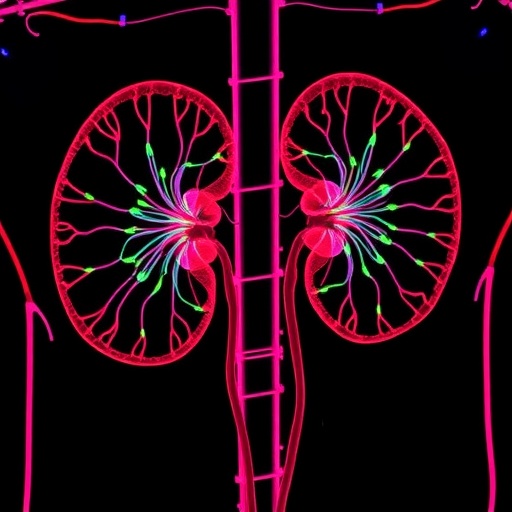
HOUSTON – In a groundbreaking initiative, bioengineers at Rice University are embarking on an ambitious project aimed at creating bioprinted kidney tissues to address the acute organ donor shortage in the United States. This collaborative venture, led by Dr. Antonios Mikos, has garnered a staggering funding of up to $24.8 million over five years from the Advanced Research Projects Agency for Health (ARPA-H). The project aims to revolutionize organ transplantation through innovative bioprinting technology that creates on-demand kidney tissues tailored to individual patients.
The dire situation surrounding organ transplants cannot be overstated; with approximately 120,000 individuals on waiting lists and only 45,000 transplants taking place annually, the need for efficient and reliable solutions is pressing. To mitigate these challenges, the Rice team is focused on bioprinting vascularized kidney tissues that can enhance renal function, especially for patients grappling with kidney illnesses. The tissues will be created using a bioink derived from the patients’ own cells, ensuring a compatibility that is vital for long-term success and functionality.
A noteworthy aspect of this endeavor is the central role of bioinks, as highlighted by postdoctoral researcher Vasiliki Kolliopoulos. These 3D printable inks must possess the capacity to mimic the natural tissue environment, which is essential for sustaining cellular health during the cultivation phase leading up to their implantation. The intricate development of these bioinks represents a significant scientific challenge, as they must not only support the cells but also facilitate the vascularization process—a crucial element that will determine the longevity and efficiency of the bioprinted tissues within the human body.
This research taps into the extensive expertise already established by Dr. Mikos and his team at the Biomaterials Lab at Rice University, a facility renowned for its significant contributions to the field of biomaterials and regenerative medicine. The overarching goal is to create a robust library of bioinks that can be customized to cater to the unique needs of different patients, thereby making personalized medicine a viable reality.
The funding for this innovative project comes through ARPA-H’s Personalized Regenerative Immunocompetent Nanotechnology Tissue (PRINT) program, which seeks to harness cutting-edge bioprinting technologies to fabricate human organs in a timely and efficient manner, eliminating the need for immunosuppressive drugs. This approach heralds a new era in organ transplantation, aiming to address not only the shortage of available organs but also associated risks that often complicate patient outcomes.
With current transplant procedures, many patients are required to take immunosuppressive medications for life, which can lead to severe complications and reduce the effectiveness of the transplant over time. This grant provides an opportunity to potentially eradicate such complications by designing organs that the body can accept without the need for ongoing medication. The promise of bioprinted organs designed with a patient’s own cells has the potential to transform not just kidney transplantation but also the field of organ donation as a whole.
Engagement with institutions such as the Wake Forest Institute for Regenerative Medicine, the University of Maryland, and collaboration with companies like PrintBio Inc. illuminates the collective effort behind this worthwhile cause. Interdisciplinary collaboration is essential to address the complex interplay of biology and technology that underlies successful tissue engineering.
Dr. Mikos underscored the importance of converging expertise from multiple domains to tackle the pressing healthcare challenge of kidney disease. There is a clear recognition that significant breakthroughs in cell manufacturing, innovative bioreactor designs, and advancements in bioprinting technology are all crucial components that will determine the success of this transformative project.
As the Rice University team forges ahead, plans are also in place to establish a scalable pathway for the commercial production and distribution of these personalized bioprinted organs. The implications of such advancements could shift the paradigm of transplantation, presenting opportunities to decrease wait times and create a more sustainable supply of organs. Additionally, if successful, the technologys principles could be adaptable for a broader range of organs, prompting researchers to envision a future with bioprinted solutions for heart, liver, and other critical organ failures.
The insights gained from this pioneering project could dramatically alter public health landscapes, offering hope to countless individuals whose quality of life has been diminished by organ failure or chronic disease. The innovations delivered through this initiative will go beyond just addressing the immediate organ shortage crisis—they could reshape the future of transplant medicine and fundamentally change how healthcare systems manage organ donation and transplantation.
In summary, the collaboration between Rice University and its partners exemplifies a potential turning point in bioprinting and regenerative medicine, showcasing how scientific rigor, creativity, and resourcefulness can come together to meet pressing medical needs. Enthusiasm among the researchers highlights a commitment to this initiative as they strive toward breakthroughs that promise not just to improve individual patients’ lives but to redefine outcomes in the field of organ transplantation globally.
Subject of Research: Bioprinting Kidney Tissues
Article Title: Revolutionary Bioprinting Project to Address Organ Donor Shortage
News Publication Date: February 6, 2026
Web References: Rice University News
References: Information from the press release issued by Rice University
Image Credits: Credit: Rice University
Keywords
- Kidney
- Bioengineering
- Biomedical Engineering
- Biomaterials
- Medical Technology
- Regenerative Medicine
- Tissue Engineering


