

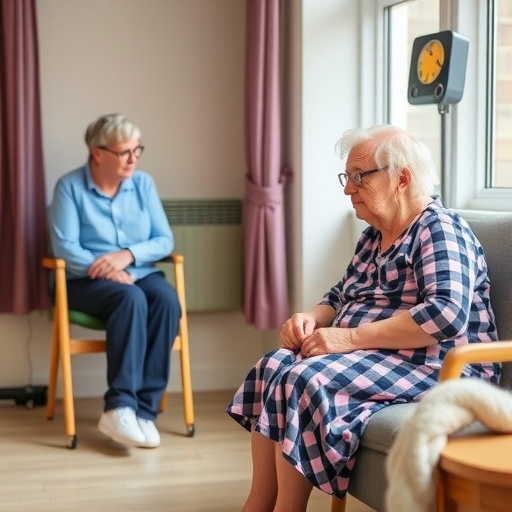
The diagnosis and management of rheumatic and musculoskeletal diseases within the context of elderly care in nursing homes is a pressing issue that has garnered attention from healthcare professionals and researchers alike. In a pioneering qualitative study undertaken by a group of dedicated researchers in the Netherlands, significant insights have been uncovered that shed light on the challenges faced by caregivers and the implications for patient care. The study, published in BMC Geriatrics, emphasizes the need for tailored strategies to address the complexities of treating these conditions in a geriatric population.
Rheumatic diseases, which encompass a variety of inflammatory disorders affecting joints and connective tissues, are commonly encountered in nursing homes. As the elderly population continues to grow, so does the incidence of these debilitating conditions. The researchers conducted interviews with healthcare professionals across several Dutch nursing homes to gain a better understanding of the current practices and perceptions regarding rheumatic disease diagnosis and management. Their findings reveal a landscape where both systemic challenges and individual knowledge gaps significantly impact patient outcomes.
One of the most striking revelations from the study is the apparent disconnect between the training received by healthcare workers and the practical realities of treating musculoskeletal conditions. Many professionals voiced concerns that their education did not adequately prepare them for the nuanced treatment of these diseases in the aging population. As conditions such as arthritis, osteoporosis, and other rheumatic disorders require specialized knowledge, this gap presents substantial barriers to effective care. The study suggests revisiting educational programs to ensure they equip future healthcare providers with the necessary skills to address these complex health issues.
Furthermore, the study highlights that the challenges faced aren’t limited to educational inadequacies. Practitioners pointed out systemic issues related to staffing shortages and high caregiver turnover rates, which exacerbate the already complicated landscape of care. These factors contribute to inconsistent treatment approaches, leaving patients without the continuity of care essential for managing chronic conditions. Consequently, the researchers advocate for innovative staffing solutions and policies that can stabilize the workforce, ultimately facilitating a more reliable care environment for residents.
In discussing diagnostic procedures, the research team identified a prevailing hesitance among professionals to pursue aggressive diagnostic methods. Instead, there seems to be a tendency to prioritize comfort over thorough assessments, which may result in missed diagnoses or late intervention for serious conditions. By fostering a culture that encourages comprehensive evaluation, it is posited that healthcare providers will not only enhance patient quality of life but also prevent the progression of untreated diseases.
Compounding these issues is the fact that communication plays a critical role in patient care. The qualitative study revealed that many healthcare workers felt inadequately trained in their ability to communicate complex medical information to patients and their families. As a result, misunderstandings could arise, leading to non-compliance with treatment recommendations and jeopardizing patient health. Empowering staff through enhanced communication training is thus essential to bridge the informational divide and ensure that patients have a clear understanding of their health conditions and the necessary steps for effective management.
In addition to addressing diagnostic and communication breakdowns, the research underscores the importance of interdisciplinary collaboration in nursing homes. Many professionals recognized that musculoskeletal conditions often intersect with other health concerns, necessitating a more integrated approach to patient care. By fostering teamwork between physicians, physical therapists, occupational therapists, and nursing staff, the study suggests that outcomes could be significantly improved. This holistic perspective acknowledges the complexity of elderly health and encourages shared responsibility for patient welfare.
Beyond the immediate implications for patient care, this study opens a dialogue about broader systemic reforms within the nursing home sector. As policymakers and healthcare organizations analyze the findings, it becomes evident that addressing rheumatic and musculoskeletal diseases in these settings requires a multifaceted approach. This encompasses not only workforce training and retention strategies but also funding initiatives to enhance the resources available for geriatric care.
Moreover, the personal testimonials shared by healthcare professionals during the research spotlight the emotional toll that managing chronic conditions can take on practitioners. The study draws attention to the need for mental health support for caregivers, who may experience burnout and stress as they navigate the complexities of providing care in often challenging environments. Investing in the wellbeing of staff will indirectly benefit patients, fostering a healthier, more engaged workforce prepared to deliver high-quality care.
As the research conveys, the voices of healthcare workers translate into powerful narratives that can reshape policy and practice. Their insights hold the potential to influence the way rheumatic and musculoskeletal diseases are managed across nursing homes not only in the Netherlands but potentially around the globe. The foundational work carried out in this study serves as a clarion call to recognize the unique needs of elderly patients suffering from these conditions and to recognize the essential role that caregivers play in their management.
In conclusion, the findings from this qualitative study underscore critical gaps in the healthcare system and highlight ingenious pathways for improvement. As the field of geriatric care continues to evolve, embracing research like this will be integral to ensuring that the healthcare system is equipped to meet the demands of an aging population. By continuing to advocate for better training, improved communication, interdisciplinary collaboration, and caregiver support, we can strive toward a future where elderly individuals receive the compassionate and competent care they deserve, ultimately enhancing their quality of life even in the face of chronic illnesses.
Subject of Research: Diagnosis and management of rheumatic and musculoskeletal diseases in Dutch nursing homes among healthcare professionals.
Article Title: Diagnosis and management of rheumatic and musculoskeletal diseases in Dutch nursing homes: a qualitative study among healthcare professionals.
Article References:
Austen, S., Vromen, V., Boonen, A. et al. Diagnosis and management of rheumatic and musculoskeletal diseases in Dutch nursing homes: a qualitative study among healthcare professionals.
BMC Geriatr (2026). https://doi.org/10.1186/s12877-026-07049-x
Image Credits: AI Generated
DOI: 10.1186/s12877-026-07049-x
Keywords: Rheumatic diseases, musculoskeletal diseases, nursing homes, elderly care, healthcare professionals, qualitative study.


