

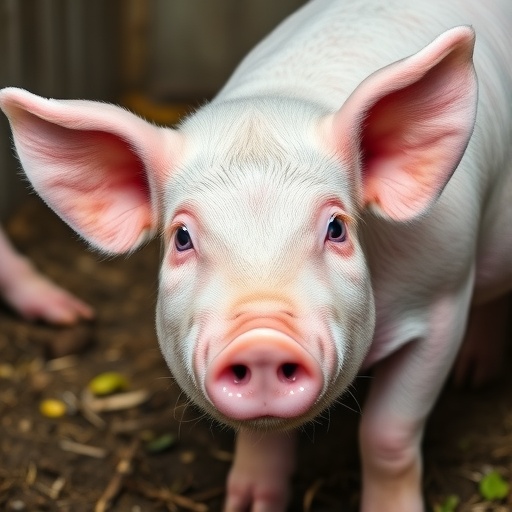
The intricate world of animal genetics has made substantial strides in recent years, with scientists now equipped to decode the DNA of various species. One of the most pivotal areas of research is focused on pigs, primarily due to their significance in agricultural economics and food production. In a groundbreaking study published in BMC Genomics, a team led by Ji, H., Tang, D., and Qin, R. embarked on an exhaustive journey combining genome-wide association studies (GWAS) and the analysis of selection signatures to unlock the genetic secrets behind the primary economic traits of pigs. This endeavor not only sheds light on the genetics of these animals but also has far-reaching implications for food security and livestock breeding practices.
The exploration of economically relevant traits in pigs, such as growth rate, reproductive performance, and meat quality, is paramount for enhancing the efficiency of pig production. These traits are influenced by multiple genetic factors, which have yet to be fully elucidated. The research team harnessed the power of GWAS, a robust statistical method that analyses the relationship between genetic variants and phenotypic traits across different populations. This approach allows scientists to identify specific genes that play critical roles in determining the economic viability of pigs.
Among the methodologies employed in this research was the genomic selection signature analysis, which serves to detect genetic variants that have been positively selected throughout evolutionary history or artificial selection. This technique provides insights into the adaptations that certain traits confer in terms of fitness and economic value. By integrating these two powerful approaches, the researchers sought to create a more comprehensive understanding of the genetic architecture underlying economically important traits in pigs.
A significant aspect of the study was the extensive sample size, which included a diverse range of pig breeds, thereby increasing the robustness of the findings. The inclusion of multiple breeds allowed the researchers to identify both conserved and breed-specific alleles that contribute to desirable traits. This comprehensive approach not only enriches our understanding of pig genetics but also sets the stage for more nuanced breeding strategies that harness the genetic potential of various breeds.
The results of the GWAS revealed several candidate genes linked to primary traits such as growth rate and carcass quality. These genes could serve as biomarkers for selective breeding programs aimed at enhancing these economically important characteristics. Importantly, the identification of these genes is just the tip of the iceberg; their functional validation and understanding of the molecular mechanisms they influence will be crucial for optimizing breeding strategies.
Moreover, the implications of identifying key genetic markers extend beyond mere academic interest. With the global demand for pork on the rise, improving the efficiency of pig production systems becomes not just an economic imperative but also a pathway toward sustainable agricultural practices. Understanding which genetic variants contribute to enhanced growth and reproduction can lead to more resilient strains of pigs, which can better withstand diseases and adapt to changing environmental conditions.
Another core component of the study was the effort to correlate genotype with phenotype effectively. By employing sophisticated statistical models and bioinformatics tools, the researchers were able to draw profound connections between the genetic makeup of the pigs and their observable traits. This level of detailed analysis underlines the growing capacity of genomic technologies to inform real-world agricultural practices.
As the world increasingly pivots towards precision agriculture, the findings from this research hold promise for a sophisticated approach to livestock management. By leveraging genetic insights, farmers can implement tailored breeding programs that are not only based on general trends but also on specific genetic information. This bespoke approach to breeding could lead to significant economic benefits and enhanced food security.
The potential for utilizing these genetic findings does not stop with pigs; the methodologies and insights gleaned from this research can translate to various livestock species. As scientists continue to decipher the genomes of different animals, it becomes feasible to apply similar principles of genetic selection across multiple agricultural systems. The ripple effect of such advancements could stimulate a revolution in how we approach animal husbandry.
In the landscape of animal genomics, collaborative efforts among researchers, farmers, and industry stakeholders are essential for realizing the full potential of these discoveries. The research underlines the value of interdisciplinary collaboration, integrating knowledge from genetics, animal science, and agricultural economics. Moving forward, fostering these collaborative pathways will be key to translating scientific discoveries into actionable practices that drive productivity and sustainability in livestock farming.
The demand for pork is projected to continue its upward trajectory, driven by population growth and changing dietary preferences. This presents both challenges and opportunities for the pig industry. As researchers delve deeper into the genetic basis of productive traits, the ability to promote efficient and sustainable pig production will be crucial in meeting global food demands while addressing environmental concerns associated with livestock farming.
In conclusion, the study conducted by Ji, H., Tang, D., and Qin, R. represents a significant leap forward in our understanding of pig genetics and its application to economic traits. By integrating GWAS and selection signature analysis, the researchers have opened new avenues for enhancing animal breeding practices. As we advance towards a future where precision livestock farming becomes the norm, the insights from this study will undoubtedly play a pivotal role in shaping effective strategies for sustainable food production in an increasingly complex agricultural landscape.
The intersection of genetics and agriculture is poised to redefine how we produce food. The insights gained from understanding the biological underpinnings of economically relevant traits will empower farmers to make informed decisions that positively impact their productivity and profitability. As we embrace the frontier of genetic technology, the implications for food security and agricultural resilience have never been more pressing, reinforcing the importance of research endeavors like those undertaken by Ji, H., Tang, D., and Qin, R.
Finally, it’s essential to recognize that this research not only contributes to our academic knowledge but also has practical implications for farmers and the agricultural industry at large. By utilizing genetic insights to guide breeding programs, we can foster a more sustainable, efficient, and productive livestock sector that meets the growing demands of consumers while safeguarding the environment for future generations.
Subject of Research: Pigs’ primary economic traits through genetics
Article Title: Integrating genome-wide association analysis and selection signatures to identify the key genes affecting the primary economic traits of pigs.
Article References:
Ji, H., Tang, D., Qin, R. et al. Integrating genome-wide association analysis and selection signatures to identify the key genes affecting the primary economic traits of pigs.BMC Genomics (2026). https://doi.org/10.1186/s12864-025-12502-z
Image Credits: AI Generated
DOI:
Keywords: Pig genetics, GWAS, selection signatures, economic traits, livestock breeding.


