

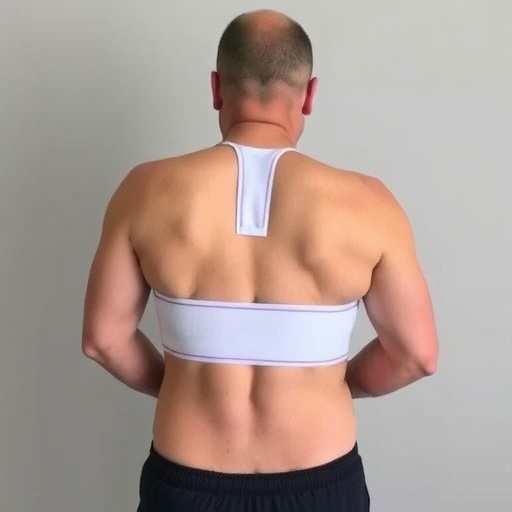
In recent advancements in biomedical engineering, a novel device has emerged, aimed at improving the quality of life for those suffering from orthostatic intolerance. This condition, characterized by an abnormal drop in blood pressure upon standing, can lead to symptoms such as dizziness, lightheadedness, and even fainting. In response to this growing need, a team of researchers led by V.S. Emani has developed a portable, active abdominal compression binder, designed specifically for individuals experiencing this debilitating condition. With an exciting blend of technology and practicality, this device promises to be a game-changer in the realm of orthostatic intolerance management.
The concept behind this innovative binder is rooted in its ability to provide active compression to the abdominal area. By exerting controlled pressure, it aims to enhance venous return—a critical factor in maintaining stable blood pressure during postural changes. The researchers employed a meticulous approach to design and functionality, ensuring that the device adheres comfortably to the wearer’s body. The active compression mechanism is engineered to be adjustable, enabling individuals to modify the level of support based on their personal comfort and specific medical needs.
Throughout the evaluation phase, the device underwent rigorous testing to determine its efficacy in healthy subjects. Participants experienced various activities that mimicked the normal challenges faced by those with orthostatic intolerance. Measurement parameters included blood pressure readings and heart rate variability, which were recorded pre- and post-application of the binder. Early results show promise, indicating that the binder could effectively mitigate symptoms associated with sudden posture changes. This is particularly significant for patients who often experience debilitating episodes that hinder their daily lives.
Moreover, the technological integration in the binder marks a substantial advancement in personal health devices. The use of lightweight materials not only contributes to the overall comfort of the wearer but also makes the binder portable and easy to use in daily activities. Whether at home, at work, or on the go, individuals can wear this device discreetly, allowing them to manage their symptoms without the need for invasive procedures or constant medical supervision. This aspect of design addresses a significant barrier faced by many patients: the need for practicality in healthcare solutions.
Furthermore, the researchers considered user feedback during the design process. By involving potential users from the preliminary stages of development, they ensured that the device was not only effective but also user-friendly. The active abdominal compression binder is designed to be operated with minimal effort, making it accessible for people of varying ages and physical capabilities. This human-centered approach to design highlights the importance of collaboration between engineers and healthcare professionals in creating effective medical solutions.
In parallel with the technical development, the research team was deeply committed to understanding the broader implications of the device. While the immediate goal was to alleviate symptoms of orthostatic intolerance, future research may explore the binder’s application in a wider healthcare context. For instance, the binder could serve as an adjunctive treatment for patients undergoing various medical procedures that affect blood circulation. This versatility opens up exciting avenues for further research and development.
The results of the study have generated significant interest within the medical community. Leading experts in cardiovascular health and biomedical engineering are anticipating more comprehensive clinical trials to assess long-term benefits and effects of the binder on individuals with chronic conditions. Engagement from the scientific community is crucial for validating the device’s potential, which could lead to further refinements and innovations in design.
In addition to potential medical benefits, the launch of this device could stimulate industry interest in developing similar wearable technologies. As healthcare continues to move towards a model of individualized patient care, the necessity for innovative solutions is becoming increasingly paramount. The success of the portable abdominal compression binder may pave the way for future projects focusing on wearable devices that empower patients in managing their own health conditions actively.
The implications of this research extend beyond individual utility; they resonate with broader public health goals. By harnessing technology to improve the management of chronic health issues, such innovations could reduce overall healthcare costs by minimizing the frequency of hospitalizations and emergency interventions associated with acute episodes of orthostatic intolerance. The economic benefits are significant, as they contribute to improved patient outcomes and more efficient healthcare delivery systems.
As the research progresses, the team plans to explore various enhancements to the binder. Potential improvements could include integrating smart technology that monitors physiological responses in real-time. Such advancements could allow for personalized adjustments to compression settings, further optimizing the efficacy of the device. This approach exemplifies how technology can be leveraged to create adaptable healthcare solutions tailored to the unique needs of each patient.
While the journey to widespread adoption of this novel abdominal compression binder is just beginning, the enthusiasm surrounding its development is palpable. The potential benefits to those suffering from orthostatic intolerance are immense, offering newfound hope for improved quality of life. As researchers continue to fine-tune the device and explore its broader applications, there is no doubt that innovations like these will play a pivotal role in the future of healthcare.
Researchers are now keen to transition from initial testing in healthy subjects to broader clinical studies that encompass a more diverse patient population. Their focus will delve into the long-term impacts of the binder on blood pressure stability and overall patient satisfaction. Engaging with healthcare professionals will be essential to ensure that the findings inform best practices in treatment strategies for orthostatic intolerance.
In conclusion, the development of the portable, active abdominal compression binder is a testament to the innovation that exists at the intersection of technology and healthcare. With its potential to provide tangible benefits for individuals managing orthostatic intolerance, this device represents more than just a scientific breakthrough; it embodies a new paradigm in patient-centered care that seeks to empower individuals to take charge of their health.
Subject of Research: Active abdominal compression device for orthostatic intolerance
Article Title: A Portable, Active Abdominal Compression Binder for Orthostatic Intolerance: Design and Evaluation in Healthy Subjects
Article References:
Emani, V.S., Escher, A., Juraschek, S.P. et al. A Portable, Active Abdominal Compression Binder for Orthostatic Intolerance: Design and Evaluation in Healthy Subjects.
Ann Biomed Eng (2026). https://doi.org/10.1007/s10439-025-03941-6
Image Credits: AI Generated
DOI: https://doi.org/10.1007/s10439-025-03941-6
Keywords: orthostatic intolerance, abdominal compression binder, biomedical engineering, wearable technology, patient-centered care


