

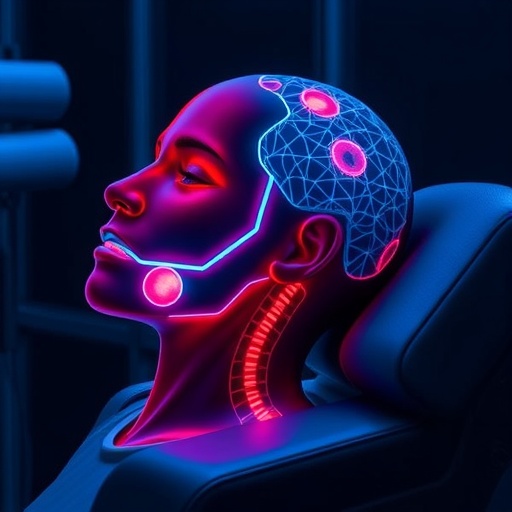
In an innovative step towards understanding and alleviating the challenges posed by long COVID, researchers have turned their attention to the cognitive fatigue experienced by patients. The groundbreaking study conducted by Mischke and Zaehle has linked the promising technique of transcranial direct current stimulation (tDCS) with the modulation of cognitive fatigue, raising new questions about brain interventions in long-lasting COVID-related symptoms. Their meticulously designed double-blinded randomized controlled trial revealed significant insights into how repetitive anodal tDCS can help patients regain some control over their cognitive functions.
Cognitive fatigue is a prevalent yet often overlooked symptom of long COVID, which affects a substantial cohort of recovering patients. After battling the acute effects of the virus, many individuals report persistent cognitive impairment, including difficulties in concentration, memory lapses, and a general feeling of mental exhaustion. This cognitive fog can drastically diminish the quality of life, making it hard for individuals to work or engage in social interactions. As the medical community seeks effective treatments, the findings from this study come at a critical juncture.
The research, appearing in the respected journal BMC Neuroscience, aimed to investigate whether anodal tDCS could serve as a viable therapeutic approach to mitigate cognitive fatigue in those afflicted with long COVID. Anodal tDCS is a non-invasive brain stimulation technique that delivers a gentle electrical current to specific areas of the brain. This method enhances neuronal excitability and may stimulate brain regions responsible for attention and cognition, thereby offering potential relief from cognitive fatigue.
Mischke and Zaehle’s trial was notably rigorous, employing a double-blinded methodology that ensured participant responses were unbiased and that the data collected would be reliable. Participants were randomly assigned to receive either active tDCS or a placebo, without knowing which treatment they were receiving. This careful design not only enhances the credibility of the findings but also provides a template for future studies in the field.
The results were remarkable; participants receiving the active tDCS demonstrated noticeable improvements in both subjective and objective measures of cognitive fatigue. Where patients had reported debilitating levels of tiredness, many experienced a resurgence of mental clarity. This shift is particularly significant because it underscores the potential for non-pharmacological interventions in managing long COVID’s long-term effects. The implications of this study go beyond mere symptom relief; they hint at a deeper understanding of brain plasticity and recovery from viral illnesses.
In the context of ongoing discussions about treating long COVID, these findings are poised to ignite further research. While traditional therapies often focus on physical rehabilitation, the need for addressing cognitive symptoms is becoming increasingly evident. Enhancing brain function through tDCS could open new avenues for long COVID therapy, potentially leading to personalized treatment plans that incorporate non-invasive brain stimulation alongside conventional medical care.
Furthermore, the study has implications for a broader audience beyond just long COVID patients. The principles of brain stimulation could extend to other forms of cognitive fatigue or impairment resulting from various conditions, such as chronic fatigue syndrome or major depressive disorder. This possibility underscores the necessity for continued exploration into the efficacy and applications of tDCS across diverse patient populations.
One of the most intriguing aspects of this study is its contribution to our understanding of cognitive rehabilitation. By actively engaging the brain’s neuroplasticity through stimulation, patients may not only feel temporary relief but could also experience a restructuring of neural pathways that leads to longer-lasting cognitive improvements. As researchers delve deeper into the mechanisms of brain stimulation, they may uncover novel strategies to facilitate recovery for numerous neurological and psychological conditions.
The clinical community’s reactions to Mischke and Zaehle’s findings are overwhelmingly positive, with many heralding it as a pivotal moment in the fight against long COVID. Early discussions among experts indicate that this research could lead to a paradigm shift in how cognitive symptoms are treated in various patient populations. However, caution is advised as further studies will be necessary to validate these findings across larger and more diverse groups.
Looking ahead, it is essential for healthcare providers to remain updated on emerging therapies like tDCS. With the increasing incidence of long COVID and its cognitive ramifications, equipping practitioners with knowledge about such interventions can lead to enhanced patient care. If tDCS proves effective, it may also be integrated into rehabilitation programs and other therapeutic settings, offering new hope to those grappling with cognitive challenges.
The study serves as a reminder of the resilience of both the human body and scientific inquiry. The struggle against long COVID is ongoing, but through innovative research and collaboration, effective strategies are emerging. As new studies in this realm unfold, they will no doubt continue to build upon the foundational work laid by Mischke and Zaehle.
In conclusion, the exploration into the use of anodal tDCS represents a significant stride towards addressing cognitive fatigue in long COVID patients. This research not only highlights an immediate therapeutic avenue for afflicted individuals but also opens the door for further inquiry into brain stimulation techniques. The promise of this study lies not just in its findings but in its potential to reshape the landscape of treatment for cognitive challenges associated with viral illnesses.
It is an exhilarating time in neuroscience, where advances in technology and understanding of brain function converge to create novel opportunities for recovery. Researchers, healthcare providers, and patients alike will closely watch the developments that follow Mischke and Zaehle’s work, as the global community stands on the cusp of potentially transformative breakthroughs in the realm of cognitive health.
The necessity of experiential data is underscored by the subjective nature of cognitive fatigue, making studies like this vital for building a comprehensive understanding of the condition. Ultimately, Mischke and Zaehle’s research exemplifies the intersection of hope and science, reminding us that while challenges persist, the quest for solutions through innovative research continues to progress with remarkable vigor and determination.
Subject of Research: Cognitive fatigue modulation in long COVID through anodal tDCS.
Article Title: Modulating subjective and objective cognitive state fatigue in long COVID with repetitive anodal tDCS: results from a double-blinded randomized controlled trial.
Article References:
Mischke, M., Zaehle, T. Modulating subjective and objective cognitive state fatigue in long COVID with repetitive anodal tDCS: results from a double-blinded randomized controlled trial.
BMC Neurosci (2026). https://doi.org/10.1186/s12868-025-00989-x
Image Credits: AI Generated
DOI: 10.1186/s12868-025-00989-x
Keywords: long COVID, cognitive fatigue, transcranial direct current stimulation, neuroplasticity, non-pharmacological treatment.


