

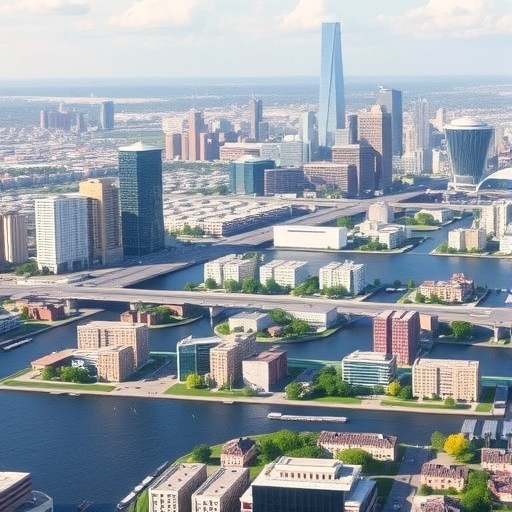
As the world grapples with the challenges of climate change, rising sea levels, and urban overcrowding, innovative solutions are needed to address the impending crises that threaten coastal cities. One of the most intriguing concepts emerging in this context is that of floating cities. At the forefront of this idea are researchers who advocate for a rethinking and comprehensive planning approach to the floating city concept, shedding light on its feasibility and potential future applications. This new vision proposes not only the creation of sustainable habitats but also aims to redefine urban living by harmonizing human existence with aquatic ecosystems.
The concept of floating cities isn’t entirely new; however, recent advancements in technology and architecture have rekindled interest in their development. Architects and urban planners are exploring how these innovative structures can be designed to withstand the adverse effects of climate change, including extreme weather events and rising ocean levels. The integration of renewable energy sources, ecological sustainability, and efficient resource management systems is pivotal in crafting these urban oases. The research suggests that the ecological balance will underpin the design of floating cities, allowing them to provide essential services while minimizing their environmental footprint.
Floating cities can serve as a model for resilience by effectively adapting to their environment. With the ability to float on water, these cities can escape the destructive impacts of floods and storms, offering residents a safer living alternative amid worsening climate conditions. The proposal includes dynamic designs that can adjust to changing water levels, which are projected to rise significantly over the coming decades. The adaptability of floating cities also facilitates innovative approaches to urban planning; their modular nature allows for expansions and modifications, tailoring living spaces to the needs of their inhabitants.
Another significant consideration in developing floating cities is their potential to foster biodiversity. By integrating natural ecosystems into urban designs, researchers advocate for a holistic approach that enhances the relationship between humans and nature. Green spaces, artificial reefs, and habitats for marine life can be incorporated into the city’s architecture. Developing such environments not only creates recreational areas for residents but also contributes significantly to the restoration of marine ecosystems. This symbiosis could serve as a cornerstone for advancing sustainable living.
Economic considerations also play a vital role in the feasibility of floating cities. While initial investment costs may seem daunting, the long-term benefits of reducing risks associated with climate change and urban sprawl can outweigh these expenses. By leveraging technologies such as modular construction and smart resource management systems, floating cities could become economically viable and profitable. Areas designated for commercial activities can drive local economies, and innovations in marine agriculture can ensure food security for their residents.
Moreover, the floating city concept offers the opportunity to rethink social structures and community engagement. Traditional urban settings often foster segregation and conflict due to resource scarcity and competition for space. The proposed floating cities prioritize inclusivity and cooperation, aiming to create environments that encourage social interaction and community bonding. This reimagining of urban life can cultivate a sense of belonging and shared responsibility, crucial for fostering resilient communities that thrive in harmony.
However, challenges remain in making the floating city vision a reality. Regulatory frameworks must evolve to accommodate these novel living arrangements, ensuring that safety standards and environmental protections are in place. Policymakers need to collaborate with architects, engineers, and environmentalists to establish guidelines that facilitate the responsible development of floating cities. This collaborative approach could help mitigate risks associated with construction at sea while promoting sustainable practices.
In addition, psychological aspects related to life on water must be considered when designing floating cities. Living on the water presents unique challenges and opportunities for mental well-being; hence, urban planners need to emphasize mental health within the design process. Elements such as access to nature, communal spaces, and recreational activities are essential to creating a balanced lifestyle. By incorporating these features, floating cities can enhance the quality of life for their inhabitants and foster resilience against the stresses of modern urban living.
The public’s perception of floating cities is another vital aspect that researchers must address. Initial skepticism regarding the viability of such concepts can hinder progress. Therefore, public outreach and educational campaigns highlighting the benefits and possibilities of floating cities will be crucial. Engaging communities through participatory design processes can help foster acceptance and generate interest. By involving citizens in decision-making, floating cities can better reflect the needs and desires of their future residents.
As we look to the future, the concept of floating cities could pave the way for a paradigm shift in urban planning and design. Combining cutting-edge technology with a deep respect for the environment may well lead to the development of innovative urban ecosystems that enhance life on our planet. This holistic approach, emphasizing sustainability and adaptability, could inspire other cities worldwide to adopt similar strategies, potentially providing solutions for climate-related issues on a global scale.
In conclusion, the comprehensive planning and innovative thinking surrounding the floating city concept represent an uncharted territory filled with promise and possibility. As the world continues to confront the pressing realities of climate change and population shifts, the development of floating cities could offer a glimpse into a sustainable and adaptive urban future—one that prioritizes harmony with nature while fostering vibrant, resilient communities. Ultimately, the success of such endeavors hinges on collaborative efforts that bring together a diverse array of stakeholders, unified by a shared vision of a sustainable future on water.
Subject of Research: Comprehensive planning and design of floating cities.
Article Title: Rethinking and comprehensive planning of the floating city concept.
Article References:
Ruzzo, C., Cacurri, M.L. & Arena, F. Rethinking and comprehensive planning of the floating city concept.
Commun Earth Environ (2026). https://doi.org/10.1038/s43247-026-03218-3
Image Credits: AI Generated
DOI: 10.1038/s43247-026-03218-3
Keywords: Floating cities, climate change, urban planning, sustainability, adaptive living, resilience.


