

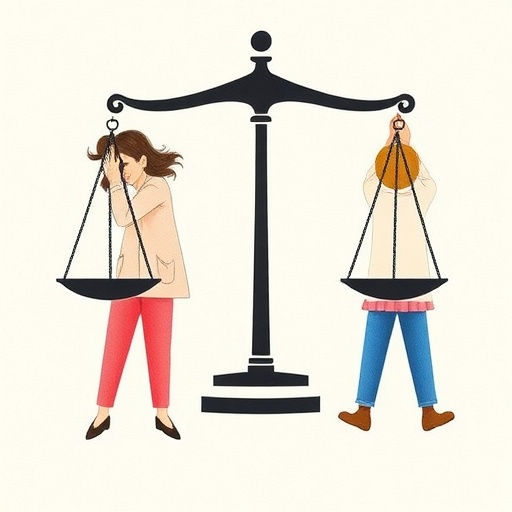
The criminal legal system is notorious for its stigmatizing labels that often define individuals involved in it. A recent meta-study sheds light on these labels and their profound implications for those labeled. Conducted by a team of researchers, including Heilicher, Pereira, and Cohen, this extensive examination delves into the various titles bestowed upon individuals entangled in criminal proceedings, emphasizing not only their frequency but also their societal impact. The findings reveal that these labels contribute to a self-perpetuating cycle of stigma that can hinder rehabilitation efforts and perpetuate social marginalization.
The meta-study presents a comprehensive analysis of existing literature on the subject, drawing from a multitude of academic sources. By correlating research data across disciplines, the authors elucidate how language shapes societal perceptions of individuals associated with criminal activity. The term “criminal,” a fundamental label in this discussion, often evokes negative connotations, reinforcing stereotypes that inhibit reintegration into society. A closer examination shows how such labels can impact everything from employment opportunities to mental health outcomes.
As the researchers dive deeper, they discuss the origins of these stigmatizing labels. Many of them are steeped in historical context and societal biases, reflecting a culture that emphasizes punishment over rehabilitation. Police reports, media portrayals, and even legal terminology contribute to a narrative that often vilifies individuals, reducing complex human stories to mere statistics. This reductionist approach not only ignores the nuances of individual circumstances but also stigmatizes entire communities, perpetuating a cycle of discrimination.
The researchers also highlight how these labels affect the individuals to whom they are applied. The internalization of stigmatizing language can lead to what is known as stereotype threat, where individuals feel pressured to conform to negative societal expectations. This can result in diminished self-esteem, increased anxiety, and a reluctance to seek help, ultimately hindering personal growth and rehabilitation. The psychological impact is profound, making it essential to address how language shapes experiences within the criminal legal system.
Another critical aspect discussed in the study is the intersectionality of these stigmatizing labels. The authors argue that the experience of stigma varies significantly depending on factors such as race, gender, and socioeconomic status. Individuals from marginalized communities often face compounded stigma, as they navigate multiple overlapping identities. This intersectional approach highlights the need for a more nuanced understanding of how labels operate within different societal contexts and calls for tailored interventions that consider these complexities.
Furthermore, the meta-study underscores the role of the media in perpetuating stigmatizing labels. Sensationalized reporting on crime often emphasizes the label while downplaying the personal narrative of the individuals involved. This one-dimensional portrayal not only affects public perception but also influences policy decisions and funding allocations for social programs. The study emphasizes the need for responsible media practices that highlight rehabilitation efforts and the humanity of individuals, rather than reducing them to their criminal actions.
The implications of these findings extend beyond individual experiences; they also raise broader questions about societal values and beliefs. The labels used within the criminal legal system reflect deep-rooted cultural attitudes toward justice, punishment, and redemption. By challenging these perceptions, the authors advocate for a paradigm shift that prioritizes rehabilitation over retribution. This shift could lead to more equitable treatment within the legal system and promote a more inclusive and compassionate societal framework.
In summary, the research conducted by Heilicher and colleagues provides a compelling examination of the stigmatizing labels associated with individuals in the criminal legal system. Their work emphasizes the urgent need for a reevaluation of language, societal narratives, and media portrayals that contribute to the stigma surrounding criminality. As society grapples with these complex issues, the authors hope to inspire conversations that lead to meaningful change in how we view and address the challenges faced by those entangled in the legal system.
The findings of this meta-study serve not only as an academic discourse but also as a call to action for practitioners, advocates, and policymakers. By recognizing the harmful effects of stigmatizing labels, stakeholders can better support initiatives focused on rehabilitation, reintegration, and ultimately, justice. Advocacy for policy changes that dismantle these labels will not only benefit individuals but also foster a more just and equitable society for all.
The study encourages collaboration among researchers, practitioners, and individuals with lived experiences to challenge dominant narratives and develop more empathetic language around criminality. By prioritizing understanding and humane treatment within the justice system, there lies the potential to disrupt the cycle of stigma and promote positive change. Additionally, the authors advocate for educational initiatives aimed at raising awareness about the impact of language on perceptions of justice, underscoring its importance in shaping public attitudes.
Critically, the research invites us to reflect on our language and the labels we use in everyday conversations. By fostering a culture that values people over labels, we can help dismantle the barriers that hinder rehabilitation and reintegration. As society evolves, it is essential to ensure that new linguistic frameworks arise that embrace accountability, promote healing, and champion the inherent dignity of every individual, regardless of their past.
In conclusion, the journey to reshape the stigmatizing labels surrounding individuals in the criminal legal system is not just about changing terminology; it is fundamentally about changing hearts and minds. The work of Heilicher, Pereira, and Cohen sparks essential discussions on a crucial societal issue, offering new pathways toward understanding, empathy, and ultimately, justice.
Subject of Research: Stigmatizing labels in the criminal legal system
Article Title: Stigmatizing Labels Used for Individuals Involved in the Criminal Legal System: A Meta-Study of Academic Literature
Article References:
Heilicher, M., Pereira, K.M.K., Cohen, T.R. et al. Stigmatizing Labels Used for Individuals Involved in the Criminal Legal System: A Meta-Study of Academic Literature.
Am J Crim Just (2025). https://doi.org/10.1007/s12103-025-09854-3
Image Credits: AI Generated
DOI: 10.1007/s12103-025-09854-3
Keywords: Stigmatization, Criminal Justice, Labeling Theory, Rehabilitation, Social Perceptions.


