

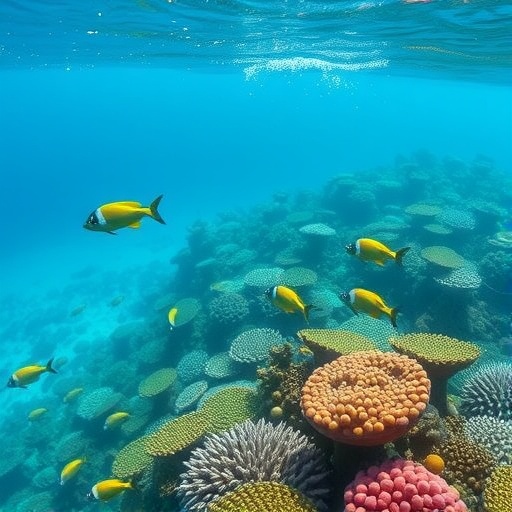
In a groundbreaking study that explores the intersection of environmental science and public sentiment, researchers are delving into the emotional responses of the public to novel ecosystem interventions, particularly in the context of the Great Barrier Reef. This ecologically vital region is not only home to a diverse array of marine life but is also a significant focus for conservation efforts. With the increasing threats posed by climate change, pollution, and habitat degradation, the urgency to explore restoration and adaptation strategies has never been greater. This research, conducted by a team led by Dadpour, Lockie, and Paxton, seeks to understand how these strategies resonate emotionally with the public.
A key focus of this longitudinal study is the emotional landscapes surrounding interventions in the Great Barrier Reef. The researchers aim to capture the spectrum of feelings that individuals experience as they engage with various restoration initiatives. Understanding these emotional responses is crucial because they can significantly influence public perception and support for conservation efforts. The study’s timeline allows researchers to observe how sentiments evolve over time, particularly as more information about the success or challenges of these interventions becomes available.
At the heart of this investigation is the recognition that public engagement is vital to the success of ecological restoration projects. The emotional responses of individuals can drive public advocacy or, conversely, breed skepticism and apathy. By analyzing longitudinal data, the researchers hope to identify patterns in emotional reactions that correlate with different stages of intervention. For instance, initial enthusiasm may wane as the realities of conservation efforts set in, underscoring the need for ongoing communication and education to sustain public support.
The Great Barrier Reef serves as a compelling case study due to its global significance and the visible impacts of environmental decline it faces. Researchers have long been aware that the ecological health of this biosphere is imperiled, yet less attention has been placed on the human dimensions of restoration efforts. This study’s findings aim to bridge that gap by providing insights into how people’s feelings about the reef’s fate can affect behavioral intentions and policy support.
In particular, emotional responses such as hope, concern, fear, and optimism are critical indicators of how individuals might react to proposed interventions. For example, hopeful emotions might encourage individuals to participate in local conservation activities or advocate for policy changes. Conversely, feelings of fear or despair could lead to disengagement from restoration efforts. This dichotomy is essential for policymakers to understand if they wish to foster a collaborative relationship with the public.
The methodology behind this research is as integral as the findings themselves. Through surveys and interviews conducted over an extended period, the researchers are able to capture a nuanced picture of public sentiment. Participants are asked to reflect on various aspects of ecosystem interventions, including their perceived effectiveness, aesthetic appeal, and potential long-term benefits. This qualitative data can complement quantitative measures, such as public opinion polling, providing a richer understanding of community attitudes toward environmental restoration.
Initial results from the study reveal that emotional responses vary significantly across demographic groups. Factors such as age, educational background, and geographic location play a crucial role in shaping how individuals respond to ecosystem interventions. Younger participants, for instance, often express a greater sense of urgency and optimism, fueled by social media engagement and educational outreach. In contrast, older generations may exhibit more skepticism or concern, shaped by years of witnessing environmental changes.
Moreover, cultural context also influences emotional responses. Communities with deep ties to the Great Barrier Reef, such as Indigenous populations, may articulate unique perspectives shaped by longstanding relationships with the land and sea. Recognizing these differences is essential for developing targeted communication strategies that resonate with varying audiences, ultimately driving more effective conservation efforts.
As the study progresses, researchers are also examining the role of social media in shaping public perceptions of ecosystem interventions. The reach and influence of platforms like Instagram and Twitter cannot be understated in today’s digital age. Posts, pictures, and videos related to the reef can generate emotional responses that cascade through social networks, amplifying sentiments and mobilizing community action. The researchers are keen to analyze how viral trends can either bolster support for restoration efforts or ignite backlash against perceived failures.
The public’s emotional engagement with ecological restoration goes beyond mere sentiment; it encompasses actions taken within communities. Individuals who resonate emotionally with the plight of the Great Barrier Reef may be more likely to participate in conservation through volunteering, attending community meetings, or supporting local policy measures. This vital link between emotional response and action underscores the importance of fostering a positive narrative around restoration interventions to foster active public participation.
Another vital angle of this study is the alignment of emotional responses with trust in scientific authorities. Many individuals express greater emotional turmoil when they perceive a disconnect between scientists and communities. Efforts to enhance transparency and share successes—and failures—of conservation work are necessary steps to build that trust. The researchers emphasize that ongoing dialogue and engagement are paramount to ensuring that the public feels included in the conversation about the future of the Great Barrier Reef.
The implications of this research extend beyond the Great Barrier Reef. As climate change and environmental degradation continue to threaten ecosystems worldwide, understanding emotional responses can guide more effective communication and community engagement in global conservation efforts. Researchers hope that their findings can inform best practices for future interventions, ensuring that public sentiment aligns more closely with conservation goals.
In conclusion, the study led by Dadpour et al. is poised to contribute significantly to the discourse on ecosystem interventions and public engagement. By comprehensively examining emotional responses, the research team is positioning conservation efforts within the context of human experience. As society navigates the complex challenges posed by environmental change, understanding the emotional dimensions of public sentiment will be paramount to fostering meaningful actions for the restoration of vulnerable ecosystems like the Great Barrier Reef.
This research not only seeks to uncover the nuances of public emotion toward ecological interventions but also stands as a testament to the power of collective human experience in shaping the future of our planet’s most cherished natural resources.
Subject of Research: Emotional responses of the public to novel ecosystem interventions in the Great Barrier Reef.
Article Title: How do members of the public feel about novel ecosystem interventions? A longitudinal study of emotional responses to restoration and adaptation in the Great Barrier Reef.
Article References: Dadpour, R., Lockie, S., Paxton, G. et al. How do members of the public feel about novel ecosystem interventions? A longitudinal study of emotional responses to restoration and adaptation in the Great Barrier Reef. Ambio (2026). https://doi.org/10.1007/s13280-025-02329-z
Image Credits: AI Generated
DOI: 10.1007/s13280-025-02329-z
Keywords: Emotion, ecosystem interventions, Great Barrier Reef, public engagement, conservation, climate change, restoration strategies.


