

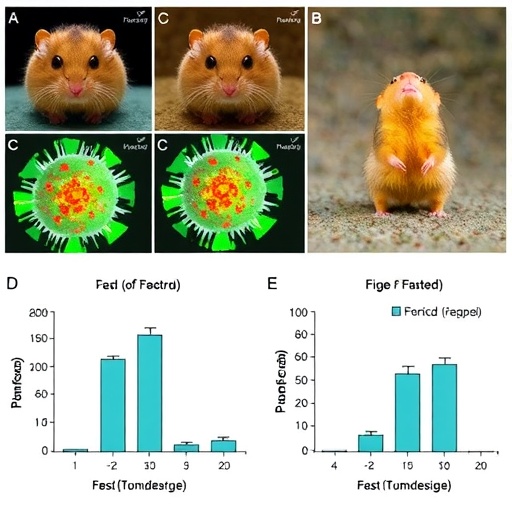
In a groundbreaking new study, researchers have unveiled alarming evidence of prolonged dysregulation and pathological changes in the upper respiratory tract following SARS-CoV-2 infection, using a hamster model. Published in the April 2026 issue of npj Viruses, this work sheds critical light on how the virus continues to impact the respiratory system well beyond the acute phase of infection. The findings could profoundly change how scientists and clinicians understand the long-term consequences of COVID-19 and inform future therapeutic strategies.
The upper respiratory tract (URT), comprising the nasal cavity, nasopharynx, and parts of the throat, functions as the primary entry point and battleground for respiratory viruses like SARS-CoV-2. While much of the attention during the pandemic has focused on pulmonary complications and systemic effects, distressingly few studies have dissected the complex and persistent pathological changes taking place in the URT. This new investigation dives deep into both molecular and cellular alterations occurring in this region during and after infection in Syrian hamsters, a well-established preclinical model that closely mimics human COVID-19 pathology.
Using a combination of histopathological analysis, immune profiling, and gene expression studies, the team documented a lingering state of immune dysregulation and tissue remodeling lasting weeks after viral clearance. Remarkably, these disruptions were not transient; rather, they persisted well into the post-acute recovery period. The URT maintained an inflamed environment characterized by sustained infiltration of immune cells such as macrophages and neutrophils, accompanied by disrupted epithelial integrity and aberrant repair processes. Such chronic inflammation and remodeling may underlie the prolonged symptoms experienced by many COVID-19 survivors.
One of the most striking outcomes of the analysis was the identification of specific molecular pathways that remain persistently activated. These include pro-inflammatory cytokine cascades and fibrotic signaling routes that contribute to both tissue damage and ineffective regeneration. The data suggest that the virus triggers a dysregulated wound healing response, which may predispose individuals to long-lasting functional impairment of mucosal barriers. This insight redefines the pathological timeline of SARS-CoV-2 infections, emphasizing the need for therapeutic interventions targeting these late-phase abnormalities.
It is noteworthy that despite the resolution of active viral replication within days of infection, the pathological footprint of the virus’ presence was far more durable. Using sophisticated RNA sequencing techniques, the researchers detected sustained alterations in the expression of genes linked to immune activation and extracellular matrix remodeling. These changes potentially provide a mechanistic framework explaining the prolonged anosmia, chronic cough, and other lingering upper respiratory symptoms reported globally by “long COVID” patients. Consequently, follow-up medical management might require reevaluation to address these persistent tissue disturbances.
Furthermore, the study highlights the complexity of host-virus interactions within the URT microenvironment. The intricate balance between viral clearance and tissue homeostasis appears to be disrupted, with the immune system unable to adequately transition from a defensive state to a reparative one. Such a failure to resolve inflammation could contribute not only to clinical symptoms but also to increased susceptibility to secondary infections or other respiratory morbidities. This underscores a critical window for therapeutic intervention aimed at restoring immune equilibrium and fostering healthy tissue recovery.
Beyond immunological insights, the pathological examination uncovered marked fibrosis and epithelial cell death in the nasal mucosa and submucosal glands. These structural abnormalities implicate direct viral cytopathic effects and secondary immune-mediated injury contributing to chronic upper respiratory damage. The fibrotic changes observed bear some resemblance to those seen in severe lung disease, indicating that fibrogenesis may not be confined to the lower respiratory tract but also prominently involves the URT. Such comprehensive pathological data have profound implications for understanding COVID-19’s systemic reach.
Investigators also employed advanced imaging techniques to visualize the extent of structural abnormalities in three dimensions. This revealed disorganized cellular architecture, disrupted basement membrane integrity, and abnormal vascular changes, reflecting a profound deviation from normal tissue physiology. These morphological deviations likely impair mucociliary clearance and local immune surveillance, critical functions necessary for maintaining respiratory health and defending against airborne pathogens. This mechanistic insight may partially explain increased post-COVID vulnerability to other respiratory illnesses.
Importantly, the chosen hamster model proved instrumental in replicating the human URT disease spectrum, enabling detailed temporal analysis from infection through convalescence. By tracking animals longitudinally, researchers could delineate the progression from acute inflammation to chronic disarray within the respiratory mucosa. This dynamic perspective allowed dissection of distinct pathological phases and identification of persistent aberrations that would be difficult to capture in clinical cohorts due to logistical constraints. It is this preclinical rigor that substantially bolsters the study’s translational relevance.
Another compelling aspect of the findings concerned the interplay between innate and adaptive immune arms within the URT during prolonged viral impact. The persistent presence of activated macrophages juxtaposed against diminished lymphocyte function reveals an immunological stalemate, potentially driving chronic pathology. This suggests that immune exhaustion or dysregulated signaling within the mucosal environment might contribute to persistent disease phenotypes. Targeting these dysfunctional immune circuits could pave the way for novel immunomodulatory treatments tailored specifically for post-acute SARS-CoV-2 sequelae.
The research also raises intriguing questions about the potential role of viral variants and host factors in modulating persistent URT pathology. While the current study primarily dealt with one strain of SARS-CoV-2, future work will need to address whether emerging variants exhibit differential capacities to induce prolonged tissue damage or immune dysregulation. Additionally, genetic background, pre-existing respiratory conditions, and environmental exposures might interact with viral factors to shape individual recovery trajectories. This nuanced understanding is crucial for developing personalized medicine approaches.
By illuminating the sustained tissue injury and immune disturbances within the upper respiratory tract, these findings challenge conventional assumptions that viral clearance equates to recovery. Instead, they support a model where the aftermath of infection represents a distinct pathological state requiring dedicated clinical attention. This shift in paradigm highlights critical unmet needs for monitoring and managing long COVID symptoms related to upper airway dysfunction, which affect millions worldwide and pose ongoing public health challenges.
In conclusion, this seminal research offers an unprecedented glimpse into the protracted pathological landscape of SARS-CoV-2 infection in the upper respiratory tract, establishing a new benchmark in the study of COVID-19 sequelae. Its implications ripple beyond benchside discovery to clinical care, encouraging a rethinking of convalescent protocols and the design of targeted interventions. As scientists worldwide continue unraveling the complexities of this multifaceted virus, investigations like these underscore the importance of comprehensive tissue-level analyses to fully comprehend the breadth and depth of COVID-19’s impact.
Future research inspired by these insights could focus on identifying biomarkers predictive of persistent URT pathology and testing therapeutic agents capable of mitigating fibrosis and chronic inflammation. Furthermore, expanding these studies into human tissue samples and diverse patient populations will be critical for translating preclinical findings into effective treatments. It is through such multidisciplinary efforts that the lingering mysteries of SARS-CoV-2 will be pieced together, ultimately improving outcomes for millions affected by the pandemic’s long-term legacy.
This pioneering study not only advances fundamental virology and immunopathology fields but also offers hope that with enhanced understanding comes improved capacity to counter this devastating disease’s chronic aftermath. With ongoing collaboration and innovation, the scientific community stands poised to transform the landscape of post-COVID care, addressing the unmet needs revealed by detailed exploration of the upper respiratory tract’s complex response to infection.
Subject of Research: Prolonged upper respiratory tract dysregulation and pathology following SARS-CoV-2 infection in a hamster model.
Article Title: Prolonged dysregulation and pathological changes in the upper respiratory tract of SARS-CoV-2 infected hamsters.
Article References:
Liu, F., Xia, Y., Lee, A.CY. et al. Prolonged dysregulation and pathological changes in the upper respiratory tract of SARS-CoV-2 infected hamsters. npj Viruses 4, 15 (2026). https://doi.org/10.1038/s44298-026-00181-w
Image Credits: AI Generated


