

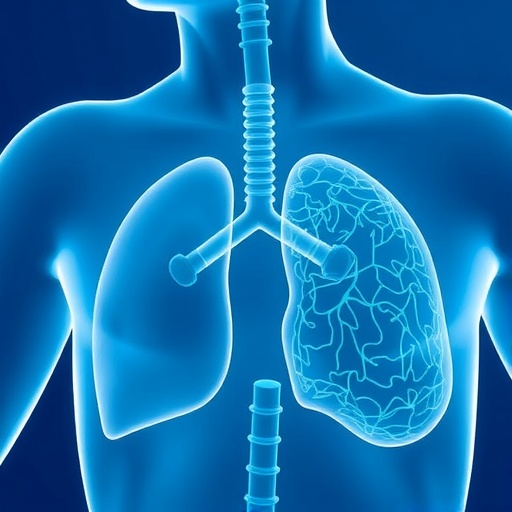
In the realm of chronic illnesses, pulmonary arterial hypertension (PAH) stands out as a particularly challenging condition. The disease is characterized by high blood pressure in the pulmonary arteries, which can lead to severe complications and ultimately heart failure if left untreated. While traditional therapies have served as the mainstay of management, recent advancements in technology have introduced a new avenue for treatment—subcutaneous infusion pump therapy. This innovative approach promises to deliver medications more consistently and effectively, potentially transforming the therapeutic landscape for PAH patients.
Subcutaneous infusion pumps offer a self-administered option for patients suffering from PAH, empowering them to manage their condition from the comfort of their homes. These devices continuously deliver medication through a small catheter inserted into the subcutaneous tissue, avoiding the need for frequent intravenous infusions or oral medication regimens that may not always guarantee optimal drug levels. This method not only enhances patient compliance but also ensures a more stable pharmacokinetic profile, reducing fluctuations in drug plasma levels that can exacerbate symptoms.
One of the remarkable benefits of subcutaneous infusion pump therapy is the ability to titrate medication dosages effectively. Healthcare providers can adjust the delivery rate based on individual patient response and tolerability. By utilizing this personalized approach, clinicians are able to tailor treatments specifically to the needs of each patient, maximizing therapeutic benefits while minimizing side effects. This flexibility represents a significant departure from traditional fixed-dose therapies that can sometimes overlook the unique biochemistry of individual patients.
Clinical experience with subcutaneous infusion pumps has demonstrated their efficacy in managing PAH. Emerging data suggests that, compared to standard therapies, patients using an infusion pump experience improved hemodynamic parameters and enhanced exercise capacity. Many patients report a marked reduction in symptoms such as dyspnea, fatigue, and other challenges commonly faced in daily life. These positive clinical outcomes underscore the potential of this technology to not only manage the disease but also improve overall quality of life.
Furthermore, subcutaneous infusion pumps have proven beneficial for patient populations that often struggle with adherence to complex medication regimens. For instance, those with cognitive impairments or physical disabilities may find it difficult to adhere to the daily complexities of oral medications or therapies that require frequent hospital visits. By simplifying the drug delivery mechanism, infusion pumps can help bridge this gap, ensuring that all patients have access to the necessary treatments irrespective of their individual challenges.
The design of these pumps has also evolved significantly to enhance usability. With user-friendly interfaces, patients can easily learn to operate the devices with minimal training. Many pumps now also feature integrated technology to monitor dosage delivery and alert patients to potential malfunctions or maintenance needs. This real-time feedback not only fosters patient independence but also instills confidence in their ability to manage their condition effectively.
However, while the advantages of subcutaneous infusion pump therapy are compelling, it is essential to acknowledge that this approach is not without its challenges. The necessity of training both patients and caregivers on device operation, as well as potential concerns regarding site infections or catheter-related complications, requires careful consideration. Ongoing education and support are critical to ensuring safe and effective use of this technology.
Additionally, reimbursement policies surrounding subcutaneous infusion pumps can vary widely, posing another hurdle for patient access. Advocacy for broader coverage and recognition of the therapeutic benefits associated with these devices is crucial. As awareness grows regarding the importance of innovative therapeutic strategies, more stakeholders may be encouraged to support equitable access to subcutaneous infusion pump therapy for all patients struggling with PAH.
As the landscape of pulmonary arterial hypertension treatment continues to evolve, the emergence of subcutaneous infusion pump therapy presents a new frontier. By combining advanced technology with personalized medicine, this approach allows clinicians to treat PAH in ways that were previously unattainable. Future studies will be vital in establishing standardized protocols and identifying best practices for implementing this therapy in diverse patient populations.
In conclusion, the move towards subcutaneous infusion pump therapy in the management of pulmonary arterial hypertension signifies an important shift in how healthcare providers approach the treatment of this debilitating condition. As ongoing clinical experiences and research reveal additional evidence supporting efficacy and safety, it is likely that we will see a growing acceptance of this innovative therapy as a standard of care. As we look to the future, the fusion of technology and patient-centered care promises to usher in a new era in the management of PAH, one where patients can truly take charge of their health and well-being.
The implications of this research extend far beyond the scope of PAH management alone. The principles gleaned from subcutaneous pump technology could potentially influence how other chronic conditions are treated. By focusing on patient autonomy, leveraging modern technology, and fostering collaborative care, healthcare providers can transform the therapeutic landscape across a wide array of diseases. Thus, the advances in and clinical experience with subcutaneous infusion pump therapy for PAH may serve as a beacon of hope, illuminating pathways for better patient outcomes in the complex world of chronic disease management.
The intersection of technology and healthcare continues to unfold, driven by a commitment to improving patient quality of life. What stands out and inspires optimism is the ripple effect that innovations like subcutaneous infusion pumps can have, paving the way for a future where chronic conditions are not just managed, but effectively controlled, enabling patients to lead fulfilling lives.
Subject of Research: Advances in subcutaneous infusion pump therapy for pulmonary arterial hypertension.
Article Title: Advances in and Clinical Experience with Subcutaneous Infusion Pump Therapy for Pulmonary Arterial Hypertension.
Article References:
LaRoy, V., Roberts, E., Mayeux, J. et al. Advances in and Clinical Experience with Subcutaneous Infusion Pump Therapy for Pulmonary Arterial Hypertension.
Adv Ther (2026). https://doi.org/10.1007/s12325-025-03468-1
Image Credits: AI Generated
DOI: https://doi.org/10.1007/s12325-025-03468-1
Keywords: pulmonary arterial hypertension, subcutaneous infusion pump, chronic illness management, patient-centered care, therapeutic innovation, medication adherence, personalized medicine.


