

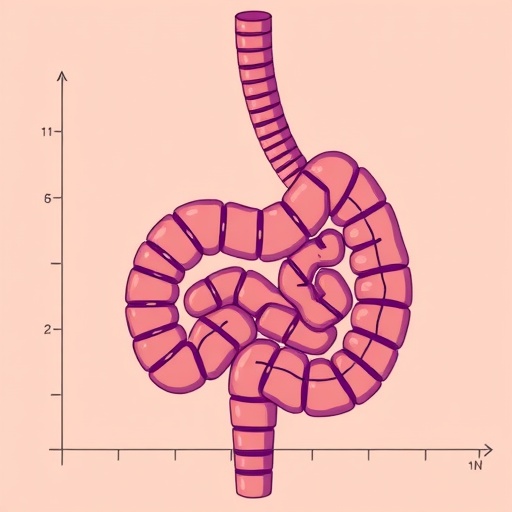
In the rapidly evolving field of pediatric hematology and oncology, gastrointestinal graft-versus-host disease (GI-GVHD) remains a formidable challenge following stem cell transplantation. This condition, while rare, represents a significant threat to pediatric patients due to its complex presentation and the critical need for timely diagnosis. Recent advancements reported in a groundbreaking study published in Pediatric Research have shed new light on optimizing diagnostic strategies using clinical symptoms, gastrointestinal sites, and endoscopic techniques. The research, conducted by Zeng, Yin, Wang, and colleagues, proposes an innovative nomogram analysis that promises to revolutionize how physicians approach GI-GVHD in children post-transplant.
GI-GVHD develops when donor immune cells attack the recipient’s gastrointestinal tract after allogeneic stem cell transplantation. The disorder manifests with symptoms that overlap with infections and other post-transplant complications, making early accurate diagnosis exceptionally difficult. The crux of the current investigation aims to determine which clinical manifestations provide the strongest clues, which gastrointestinal sites should be prioritized for endoscopic biopsy, and which endoscopic modalities yield the highest diagnostic accuracy in pediatric patients.
The study underscores that traditional diagnostic reliance on histological examination of mucosal biopsy specimens remains the gold standard. However, the researchers argue that a more nuanced and integrative diagnostic framework is necessary. They followed a sizable cohort of pediatric patients who underwent stem cell transplantation and presented with gastrointestinal symptoms. Analysis of clinical data combined with endoscopic findings enabled the development of a robust diagnostic tool that amalgamates clinical presentation and site-specific biopsy results to guide physician decision-making.
One of the profound revelations from the study is the identification of key gastrointestinal sites most indicative of GI-GVHD. While the esophagus and stomach have historically been examined routinely, this research highlights the essential role of the lower gastrointestinal tract, particularly the terminal ileum and colon, as critical regions for biopsy. These regions often harbor histological evidence even when upper tract biopsies appear inconclusive, offering a more comprehensive picture of disease involvement.
Crucially, the study’s nomogram model integrates clinical symptoms such as persistent diarrhea, abdominal pain, nausea, and vomiting with endoscopic findings to improve diagnostic precision. The multidimensional approach addresses the diagnostic ambiguity often faced by clinicians and may reduce the delays in initiating targeted immunosuppressive therapies, which are vital to mitigating disease progression and improving survival outcomes.
The selection of endoscopic approaches tailored to pediatric patients emerged as an important focus. The researchers emphasize minimizing procedural invasiveness and maximizing diagnostic yield, balancing the delicate condition of young patients with the need for comprehensive tissue assessment. Techniques such as flexible sigmoidoscopy and enteroscopy, coupled with advanced imaging enhancements, were advocated to heighten lesion detection sensitivity in vulnerable pediatric populations.
From a pathophysiological standpoint, the study delves into how GI-GVHD pathogenesis correlates with localized mucosal immune responses. The presence of apoptotic bodies, crypt cell destruction, and inflammatory infiltration varies across different gastrointestinal sites, revealing differential patterns that serve as histopathological hallmarks. These insights allow for targeted biopsies that precisely capture the subtleties of tissue injury in evolving GVHD.
Beyond the clinical sphere, the potential translational impact of this research is immense. By offering a validated, evidence-based diagnostic framework, the study paves the way for precision medicine approaches that could be tailored not only to pediatric but also adult transplant recipients. Machine-learning algorithms embedded in the nomogram promise integration with electronic health records for real-time clinical support, enhancing decision-making at the bedside.
The findings also emphasize how early diagnosis influenced by this nomogram could transform therapeutic strategies, enabling more judicious use of corticosteroids and immunomodulators. This approach minimizes unnecessary exposure to potent drugs and reduces the risk of treatment-related complications, a critical consideration in the fragile pediatric demographic.
The authors candidly acknowledge limitations such as the need for multicenter validation and longitudinal studies to assess how dynamic symptom progression influences diagnostic reliability over time. Despite these challenges, the study marks a substantial leap forward, challenging existing paradigms and inviting future research to refine and build upon their novel diagnostic toolkit.
Technical mastery is evident in the study’s comprehensive integration of endoscopic imaging parameters with quantitative histological scoring systems. Advanced statistical modeling employing logistic regression and receiver operating characteristic (ROC) curve analyses fortified the nomogram’s predictive accuracy, granting clinicians a powerful tool to calculate personalized risk scores for GI-GVHD based on integrated clinical and procedural data.
This research arrives at an opportune moment when pediatric stem cell transplantation continues to increase worldwide, and the demand for precision diagnostics intensifies. By enabling earlier and more reliable GI-GVHD detection, care teams can intervene promptly, potentially decreasing morbidity, hospital stay durations, and healthcare costs associated with delayed or inaccurate diagnoses.
In summary, the pioneering nomogram analysis offered by Zeng and colleagues redefines pediatric gastrointestinal GVHD diagnostics. Their multidimensional strategy marks a turning point, transforming isolated clinical assessments and fragmented endoscopy data into a cohesive, scientifically grounded framework. Such innovation heralds a new era of personalized medical care for vulnerable children undergoing stem cell transplantation, demonstrating profound potential to improve outcomes and quality of life.
As the medical community embraces this new paradigm, it is anticipated that ongoing validation efforts and technological integration will amplify the utility of nomogram-guided diagnostics. This study’s impact is poised to resonate widely within pediatric hematology, gastroenterology, and transplant medicine, signifying a major advance in confronting one of the most daunting post-transplant complications.
Future research directions hold promise for expanding these findings into predictive models incorporating biomarkers, genetic profiling, and microbiota analyses. Such multidisciplinary integration could further revolutionize GI-GVHD management, offering truly personalized prognosis and therapy tailored precisely to each patient’s unique disease trajectory and risk profile.
The importance of this research stands not only in its immediate clinical applicability but also in its role as a foundational model for harnessing data-driven tools to tackle complex pediatric diseases. As artificial intelligence and precision medicine gain traction, studies like this exemplify how harnessing large clinical datasets can drive innovation and enhance patient care in meaningful, measurable ways.
Ultimately, this landmark study published in Pediatric Research offers hope and meaningful progress in conquering pediatric gastrointestinal graft-versus-host disease, providing clinicians a much-needed roadmap for navigating an often ambiguous and life-threatening condition with newfound confidence and clarity.
Subject of Research: Pediatric gastrointestinal graft-versus-host disease diagnosis post-stem cell transplantation
Article Title: Post-stem cell transplantation pediatric gastrointestinal graft-versus-host disease: nomogram analysis of clinical and endoscopic features
Article References:
Zeng, J., Yin, R., Wang, L. et al. Post-stem cell transplantation pediatric gastrointestinal graft-versus-host disease: nomogram analysis of clinical and endoscopic features. Pediatr Res (2025). https://doi.org/10.1038/s41390-025-04598-6
Image Credits: AI Generated
DOI: 24 December 2025


