

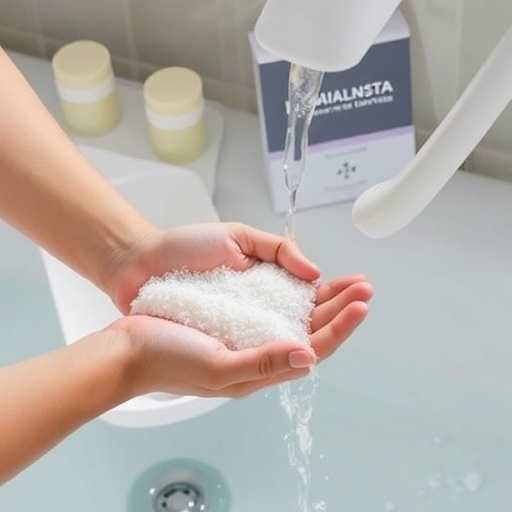
In the realm of postoperative care, comfort and recovery are paramount. A groundbreaking study by Kazuki Sugawara sheds light on an often-overlooked practice: pre-breakfast hand bathing. This introspective qualitative description reveals significant insights into how such a simple ritual can enhance the psychological and physical well-being of postoperative rehabilitation patients in Japan. While we often focus attention on advanced medical interventions, Sugawara’s research emphasizes the role of everyday habits in promoting recovery and comfort.
The study explores the intricate relationship between personal care routines and patient recovery. Hand bathing, a seemingly trivial act, becomes central in this context, drawing attention to how sensory experiences can influence mental states. Sugawara’s qualitative descriptive research involved in-depth interviews with patients who had experienced this unique ritual during their recovery. Their narratives illuminate the profound impact of hand bathing on feelings of cleanliness, refreshment, and emotional well-being.
The therapeutic benefits of hand bathing extend beyond mere hygiene. Participants reported feelings of warmth and relaxation, which are critical components of emotional support in a hospital setting. This seemingly simple act fosters a sense of calm and helps to alleviate the often overwhelming stress that accompanies postoperative recovery. The routine of washing one’s hands turns into a ritual that promotes mindfulness, allowing patients to center themselves as they prepare for the day ahead. The emotional dimensions of this ritual unveil a vital aspect of recovery often overshadowed by physical healing.
Interestingly, the study intertwines traditional practices with modern rehabilitation, allowing for a culturally relevant understanding of patient care. Japan’s rich historical context regarding cleanliness plays a crucial role in the perceived value of hand bathing. This cultural backdrop enriches the study’s findings, suggesting that the integration of culturally significant practices can augment modern medical care. Here, hand bathing transforms into both a physical and spiritual act, highlighting the interplay between culture and health.
Further, the mental health implications are noteworthy. Participants articulated how pre-breakfast hand bathing not only fulfilled a basic need for cleanliness but also served as an emotional anchor. The act is akin to resetting one’s psychological state, preparing both the mind and body for the challenges of rehabilitation. In a healthcare environment where anxiety can exacerbate feelings of pain, this simple gesture cultivates resilience and ignites motivation for recovery.
Moreover, the routine itself breeds a sense of agency for patients. In a situation where much is beyond their control, engaging in hand bathing provides an avenue for self-care, empowering individuals to take charge of a small aspect of their healing journey. This empowerment is crucial as it builds psychological strength—an essential facet of effective recovery.
Sugawara’s study also highlights the potential implications for healthcare practices. By recognizing the significance of such rituals, healthcare providers may enhance their approaches to rehabilitation protocols. Adopting patient-centered practices focused on comfort, such as incorporating hand bathing into the routine, could result in improved overall outcomes. This not only ensures the physical cleanliness of patients but nurtures their emotional requirements, paving the way for holistic care.
Furthermore, the research indicates a need for healthcare professionals to critically assess their methodologies in patient care. This could lead to a shift towards practices that incorporate more humanistic elements into medical protocols. Sugawara’s findings implore healthcare systems to prioritize the emotional aspects of recovery, positioning simple acts of care like hand bathing as fundamental components of rehabilitation, rather than mere afterthoughts.
The implications of this study are far-reaching. With the increasing emphasis on patient well-being, understanding how simple, mindful rituals can contribute to a patient’s recovery trajectory is invaluable. This suggests a wider need for research into the influence of small, everyday actions within healthcare environments, which can serve to bridge the gap between tradition and modern healthcare practices.
Moreover, as the world continues to navigate challenges in healthcare, insights from Sugawara’s study provide an avenue to enhance holistic approaches. This could potentially lead to improved patient experiences, reshaping the way care is delivered in postoperative settings. By fostering environments where comfort and psychological well-being take precedence alongside physical healing, healthcare providers can pave the way for significant advancements in recovery.
In conclusion, Sugawara’s qualitative descriptive study on pre-breakfast hand bathing extends beyond the simple act of washing hands; it encapsulates a philosophy of care that values the intersection of cleanliness and emotional healing. By revisiting traditional practices within modern contexts, healthcare can create more compassionate and effective rehabilitation environments. The research acts as a clarion call for a paradigm shift in nursing practices, advocating for an integrated approach that fosters emotional well-being alongside physical health in postoperative care.
Considering the potential of such simple yet profound practices, it is clear that attention to humanistic care factors can yield remarkable outcomes in patient recovery. Emphasizing comfort through traditional rituals, as illustrated in this study, could redefine rehabilitation strategies and enhance patient experiences in profound ways.
Subject of Research: The impact of pre-breakfast hand bathing on comfort and recovery in postoperative rehabilitation patients in Japan.
Article Title: Pre-breakfast hand bathing and its contribution to comfort and recovery motivation among postoperative rehabilitation patients in Japan: a qualitative descriptive study.
Article References:
Sugawara, K. Pre-breakfast hand bathing and its contribution to comfort and recovery motivation among postoperative rehabilitation patients in Japan: a qualitative descriptive study.
BMC Nurs (2026). https://doi.org/10.1186/s12912-026-04314-7
Image Credits: AI Generated
DOI: 10.1186/s12912-026-04314-7
Keywords: postoperative care, hand bathing, comfort, recovery, qualitative study, patient care, rehabilitation, emotional well-being, traditional practices, nursing, holistic care.


