

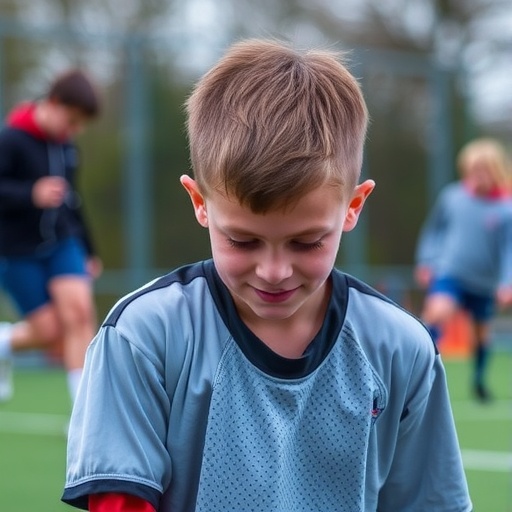
In recent years, the topic of concussion and its aftermath has gained significant attention, especially regarding children and adolescents. A novel study conducted in Germany has thrown light on the concerning prevalence of post-concussion-like symptoms in this vulnerable demographic. As our understanding of pediatric health continues to evolve, this research highlights the urgent need for effective management and preventive strategies tailored specifically for younger populations.
The study, notable for its extensive cross-sectional design, surveyed a diverse group of children and adolescents to assess not only the presence of post-concussion symptoms but also their impact on daily living and overall quality of life. The research is a clarion call for parents, educators, and healthcare professionals to scrutinize and prioritize the mental and physical health of younger individuals, particularly those involved in contact sports or high-risk activities.
Central to the study is the identification of a range of symptoms associated with concussive injuries. These include headaches, dizziness, fatigue, and mood changes, many of which can be mistaken for normal developmental challenges in children and adolescents. The subtlety of these symptoms complicates recognition and diagnosis, further emphasizing the necessity of heightened awareness in both clinical and non-clinical environments. Parents, coaches, and teachers play a pivotal role in monitoring changes in behavior or performance in young individuals, serving as the first line of defense against potential long-term complications.
The findings also reveal critical insights into the demographic distribution of these symptoms. It appears that age and gender may contribute significantly to the infection rate of post-concussion-like symptoms, with older adolescents exhibiting a higher prevalence than younger children. This brings attention to the unique biomechanical and psychosocial factors that may change as children transition into their teenage years, underscoring the need for continuous education for sports organizations on the risks associated with concussions.
Moreover, the longitudinal implications of failing to address these symptoms should not be underestimated. Research has shown that untreated post-concussions can lead to lasting cognitive deficits, increased susceptibility to subsequent brain injuries, and mental health challenges such as anxiety and depression. These potential outcomes call for immediate action, urging policymakers to reevaluate existing guidelines on concussion protocols at schools and sporting events.
Further enriching the discourse, the study emphasizes the role of healthcare professionals in providing thorough post-injury assessments and developing comprehensive care plans for young patients. Early intervention can significantly alter the trajectory of recovery, enabling young athletes to return to their respective activities in a safe and expedient manner. This highlights the necessity for a multidisciplinary approach involving pediatricians, neurologists, psychologists, and physiotherapists to deliver holistic and effective care.
The researchers also delve into the underlying biological susceptibility of younger brains to concussions. Adolescents are in a crucial developmental phase, and their brains are more dynamic and susceptible to the effects of trauma. This has prompted calls within the scientific community for more scientific research dedicated to elucidating the long-term effects of repeated head injuries in youthful populations, and how best to mitigate these risks through targeted interventions.
As awareness increases, so does the importance of effective education campaigns aimed at both parents and children. These initiatives educate on the signs and symptoms of concussions, champion the necessity of reporting injuries, and advocate for adherence to concussion management guidelines. Educational institutions, in partnership with healthcare providers, should work towards establishing robust programs to treat concussions seriously and provide necessary resources for recovering youth.
The current study serves as a valuable resource, contributing vital data that highlights the importance of continuing research in the field of pediatric concussions. It advocates for a forward-thinking approach, where every stakeholder, from healthcare providers to families, adopts a proactive stance toward understanding and managing concussive injuries.
Furthermore, this research underscores the broader implications of concussions on public health, pointing out that sports governing bodies must play a robust role in enforcing safety protocols and monitoring compliance at all levels of play. The integration of technology into sports safety measures has emerged as a noteworthy innovation, enabling real-time assessments of players upon injury and ensuring that appropriate protocols are enacted with urgency.
In conclusion, the findings of this comprehensive study shed light on a pressing issue that affects many children and adolescents across Germany and beyond. The prevalence of post-concussion-like symptoms calls for an immediate collective response from all stakeholders involved. By enhancing awareness, refining diagnostic processes, and ensuring rigorous follow-through strategies, we can better protect our youth from the hidden dangers of concussions, fostering a culture of safety and health in all athletic arenas.
Having delved into the intricacies of this pressing issue, it is clear that the conversation surrounding pediatric concussions is far from over. Society must engage in ongoing dialog, involving research, education, and policy evolution, to better safeguard the responsibilities that come with nurturing the next generation.
Subject of Research: Prevalence of post-concussion-like symptoms in children and adolescents in Germany.
Article Title: Prevalence of post-concussion-like symptoms in children and adolescents in Germany: a cross-sectional study.
Article References:
Sturm, J.N., Krol, L., Abboud, T. et al. Prevalence of post-concussion-like symptoms in children and adolescents in Germany: a cross-sectional study.
BMC Pediatr (2026). https://doi.org/10.1186/s12887-026-06568-1
Image Credits: AI Generated
DOI: 10.1186/s12887-026-06568-1
Keywords: concussion, children, adolescents, post-concussion symptoms, prevalence, health, brain injury, public health, sports safety, intervention.


