

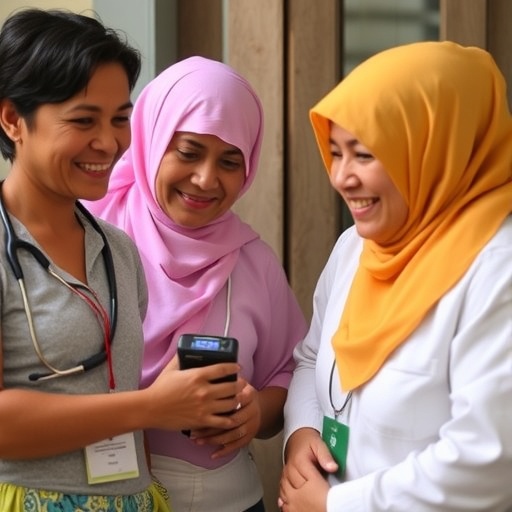
Cervical cancer prevalence remains a pressing public health concern globally, with regions like Peru facing unique challenges in diagnosis, prevention, and treatment. A recent study titled “Political determinants of cervical cancer control in Peru,” conducted by Gianella et al., sheds light on the intricate interplay between political landscapes and health outcomes. Cervical cancer is a leading cause of cancer-related morbidity and mortality among women in Peru, highlighting the urgent need for effective strategies to combat this disease. The study meticulously analyzes how political dynamics influence the allocation of resources, policy formulation, and the implementation of preventive measures.
At the heart of the research is the recognition that health policies are not developed in isolation; they are deeply entwined with the political context in which they are created. Political determinants encompass the actions and decisions made by government officials and institutions, which can significantly affect public health initiatives. In Peru, the complexities of governance, including shifts in political leadership, corruption, and bureaucratic inefficiencies, contribute to a fluctuating commitment to cervical cancer control. The study identifies these variables as critical to understanding the current state of healthcare related to cervical cancer in the country.
One of the most salient features of the research is the analysis of resource allocation for cancer control initiatives in Peru. The authors reveal that political will—or the lack thereof—plays a pivotal role in determining how funding is distributed for health services. Decisions made by policymakers often prioritize issues that are politically expedient, sidelining vital health concerns like cervical cancer. This misalignment can lead to inadequate funding for screening programs, vaccination initiatives, and treatment facilities, ultimately jeopardizing the health outcomes of women at risk for cervical cancer.
Moreover, the research delves into how political instability can derail ongoing health programs. Peru has experienced fluctuating political climates, which create an environment of uncertainty that can stifle progress in public health. For instance, changes in leadership can result in the discontinuation of effective health programs or a shift in focus towards different health priorities. This instability threatens to undermine existing gains made in cancer prevention and control, leaving vulnerable populations without the necessary support and resources.
The authors also stress the importance of advocacy and civic engagement in shaping health policies related to cervical cancer. Engaging local communities and stakeholders can lead to greater awareness and support for necessary interventions. By mobilizing public opinion in favor of cervical cancer control, advocates can influence policymakers to allocate resources and implement programs that address this critical issue. The study highlights several successful advocacy campaigns that have succeeded in raising awareness about cervical cancer in Peru, demonstrating the power of collective action in driving political change.
In examining public health education efforts, the research underscores the necessity of incorporating cervical cancer awareness into broader health education curricula. Many women remain unaware of the risk factors and preventive measures associated with cervical cancer. By integrating relevant information into existing educational programs, particularly among at-risk populations, Peru can enhance overall awareness and compliance with screening and vaccination initiatives. The study advocates for collaboration between the healthcare system and educational institutions to foster informed communities.
Additionally, the issue of health equity is prominent throughout the research. Access to cervical cancer prevention and treatment services varies significantly among different demographic and socioeconomic groups in Peru. Disadvantaged populations often face barriers in accessing care due to factors such as poverty, lack of transportation, and inadequate healthcare infrastructure. The authors argue that addressing these disparities is not just a matter of justice but a necessity for effective cervical cancer control. Public health policies must consider the social determinants of health to ensure that all women, regardless of their background, have equitable access to necessary services.
In terms of international collaboration, the authors note that partnerships with global health organizations can enhance local efforts to combat cervical cancer in Peru. By sharing best practices and resources, countries can work together to strengthen their public health responses. The research suggests that Peru could benefit from more robust international collaborations aimed at empowering local healthcare providers and improving the infrastructure for cervical cancer care.
Furthermore, the study emphasizes the critical role of data collection and research in informing health policies. Comprehensive data on cervical cancer incidence, screening rates, and treatment outcomes are essential for understanding the scale of the problem and developing targeted interventions. Policymakers require accurate statistics to make informed decisions about resource allocation and prioritization of health programs. However, the authors describe challenges in data collection within Peru, such as insufficient funding for research and the need for better coordination among health agencies.
Looking ahead, the authors present a call to action for the Peruvian government and health officials. A multi-faceted approach that includes strengthening political commitment, increasing funding, and enhancing public awareness is vital for effective cervical cancer control. The authors propose the establishment of a national strategy aimed at coordinating efforts across different sectors, including education, healthcare, and civil society. This strategy should involve clear objectives, measurable outcomes, and provisions for regular assessment to ensure accountability and progress.
The future of cervical cancer control in Peru hinges not only on addressing immediate health needs but also on creating a sustainable political and social framework that prioritizes women’s health. The recommendations put forth by Gianella et al. serve as a roadmap for stakeholders in the fight against cervical cancer. By tackling the political determinants head-on, Peru can move towards a more equitable and effective healthcare system that empowers women and reduces the burden of cervical cancer.
With the publication of this important research, the global community is reminded of the intricate relationship between politics and health. As nations strive for improved health outcomes, it is imperative that they consider the political context in which health policies are developed and executed. Cervical cancer control in Peru exemplifies the complexities that arise at this intersection, offering valuable lessons for other countries facing similar challenges. The commitment to advancing public health should be unwavering, regardless of the political climate, as every effort made today shapes the health landscape of tomorrow.
In conclusion, Gianella et al.’s study on the political determinants of cervical cancer control in Peru highlights critical insights that can guide future efforts in public health. The research reinforces the idea that strategic political action and public engagement are vital for driving change in healthcare systems globally. As Cervical cancer continues to affect the lives of countless women, it is incumbent upon all stakeholders to prioritize comprehensive strategies that address both health and political challenges. By doing so, we can pave the way for a future where cervical cancer is effectively controlled and ultimately eradicated.
Subject of Research: Political determinants of cervical cancer control in Peru.
Article Title: Political determinants of cervical cancer control in Peru.
Article References:
Gianella, C., Salmon-Mulanovich, G., Bohorquez-Gutierrez, J. et al. Political determinants of cervical cancer control in Peru.
BMC Health Serv Res (2025). https://doi.org/10.1186/s12913-025-13796-1
Image Credits: AI Generated
DOI:
Keywords: cervical cancer, Peru, public health, political determinants, health policy, advocacy, health equity, international collaboration.


