

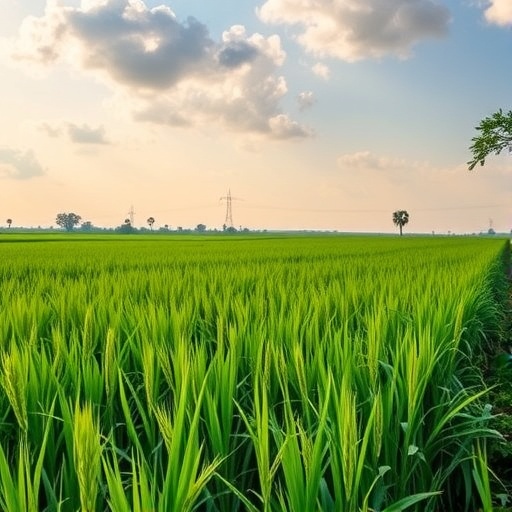
In Northern Ghana, the agricultural sector is grappling with numerous challenges, and among them, the sustainable supply chain for rice has emerged as a focal point of concern. Recent research by A.S. Saani and R.H. Salisbury dives deep into the interplay between policy frameworks and sustainable rice production, revealing critical insights that could transform the region’s agricultural practices. This inquiry not only sheds light on the existing issues in rice production but also emphasizes the pressing need for policy interventions that align with sustainable practices.
The backdrop of this study is set against the larger context of global food security. With a growing population and increased demand for rice, Northern Ghana finds itself in a precarious position. The interplay of climate change, socioeconomic factors, and resource limitations has made it vital to adopt practices that ensure the sustainability of rice production. The research underscores the importance of policy frameworks in facilitating a robust supply chain that caters to both the local and global market demands.
One of the pivotal findings of the study indicates that existing policy frameworks in Ghana often lack the necessary coherence and integration. Fragmented policies, which do not align with one another, fail to address the holistic requirements of the rice supply chain. This disjunction leads to inefficiencies that can be detrimental not only to farmers but also to the broader community reliant on rice as a staple food. The analysis posits that a synergistic approach to policy development could mitigate these issues, allowing farmers to operate within a supportive regulatory environment.
Moreover, the research highlights the importance of incorporating local knowledge and practices into policy formulation. Engaging farmers in the decision-making process is crucial for understanding the unique challenges they face and for identifying solutions that are both practical and effective. The study advocates for frameworks that are participatory and inclusive, allowing the voices of those directly involved in rice production to shape the policies that affect their livelihoods.
Saani and Salisbury also explore the role of technology in transforming rice supply chains. Innovations in agricultural practices, ranging from improved seed varieties to advanced irrigation techniques, can significantly enhance productivity. Additionally, digital platforms that facilitate access to market information and financial services empower farmers to make informed decisions. The integration of technology into policy frameworks is essential for creating a sustainable agricultural future in Northern Ghana.
Sustainability is not limited to environmental considerations; it also encompasses economic viability and social equity. The research emphasizes that any sustainable policy framework must address these intersecting dimensions. Economic incentives, such as subsidies for sustainable farming practices, can encourage adoption and foster resilience among local farmers. Furthermore, investing in social equity ensures that marginalized groups are not left behind in the pursuit of sustainable development, thus promoting holistic growth in the agricultural sector.
As the study delves deeper, it reveals the significance of collaboration among various stakeholders in the rice supply chain. Government agencies, non-governmental organizations, and private sector actors must work in tandem to create a comprehensive strategy that addresses the multifaceted challenges of rice production. Collaborative efforts can lead to knowledge sharing, resource pooling, and ultimately, more effective policy implementation. The research calls for establishing platforms for dialogue among these stakeholders to foster a shared vision for sustainable rice supply chains.
The authors also caution against the potential pitfalls of overregulation, which can stifle innovation and hinder farmers’ ability to adapt to changing conditions. A balanced approach, where policies encourage experimentation while maintaining essential safeguards, will be crucial. Sustainable practices must be incentivized, but not at the expense of farmers’ autonomy. The study argues for a regulatory environment that nurtures innovative solutions, allowing farmers to thrive in an ever-evolving agricultural landscape.
In addressing the environmental dimensions of rice production, the research outlines the urgent need for practices that reduce the ecological footprint of farming. Water management, soil health, and biodiversity are critical components of sustainable agriculture that cannot be overlooked. Implementing policies that promote conservation practices and reduce reliance on chemical inputs can significantly enhance the sustainability of rice supply chains in Northern Ghana.
The issue of climate resilience is intricately woven into the fabric of the study’s findings. As rice production is highly sensitive to climatic fluctuations, developing adaptive strategies is paramount. The research advocates for policies that prioritize climate-smart agriculture, enabling farmers to withstand adverse weather conditions while maintaining productivity. By fostering resilience in agricultural practices, Northern Ghana can better safeguard its food security in the face of climate change challenges.
Furthermore, the study emphasizes the value of data-driven decision-making in enhancing the sustainability of rice supply chains. Collecting and analyzing data on yield patterns, market trends, and resource utilization can provide valuable insights for policymakers. Establishing robust data systems can enable stakeholders to make informed choices and tailor interventions that address the specific needs of the rice sector.
Public awareness and education are also critical components in advancing sustainable practices. The research underscores the need for outreach initiatives that inform farmers about sustainable farming techniques and best practices. By enhancing farmer knowledge and skills, the ripple effects on production efficiency and environmental stewardship can be profound. Policies that facilitate access to training and resources will empower farmers with the tools they need to succeed.
In conclusion, Saani and Salisbury’s research on sustainable rice supply chains in Northern Ghana presents a compelling case for revisiting and revitalizing policy frameworks. By fostering collaboration among stakeholders, embracing technology, and promoting inclusivity, the region can chart a sustainable course for rice production. The potential for growth and resilience is immense, but it requires a concerted effort from all sectors of society to realize a future where rice supply chains are sustainable, equitable, and capable of meeting the demands of both local and global populations.
By adopting these recommendations, Northern Ghana can transform its rice sector into a model of sustainability—one that not only nourishes its population but also contributes to global food security. The path forward is fraught with challenges, but with the right policies and practices in place, a sustainable future for rice production in Northern Ghana is well within reach.
Subject of Research: Sustainable rice supply chains in Northern Ghana and the role of policy frameworks.
Article Title: Sustainable rice supply chains in Northern Ghana: the role of policy frameworks.
Article References:
Saani, A.S., Salisbury, R.H. Sustainable rice supply chains in Northern ghana: the role of policy frameworks.
Discov Sustain (2025). https://doi.org/10.1007/s43621-025-02391-3
Image Credits: AI Generated
DOI: 10.1007/s43621-025-02391-3
Keywords: Sustainable agriculture, rice supply chains, policy frameworks, Northern Ghana, climate resilience.


