

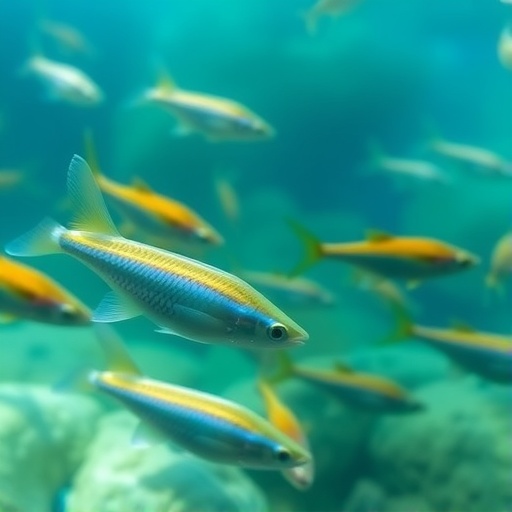
In recent years, the environmental impact of phthalate esters has garnered significant attention from researchers and environmentalists alike. These widely used chemical compounds, primarily found in plastics and personal care products, pose a serious threat to aquatic life, particularly in aquaculture pond ecosystems. A groundbreaking study published in the journal Environmental Monitoring and Assessment by Huang, Zhang, and Jing sheds light on the complexities of feed-driven transfer and bioaccumulation of these harmful substances in aquatic environments.
The study highlights how phthalates, once introduced into aquaculture systems through feed, can undergo various biochemical processes that facilitate their entry into the food web. The researchers meticulously analyzed multiple pond ecosystems to understand the extent of phthalate ester accumulation and the pathways leading to their transfer among aquatic organisms. Their findings reveal alarming patterns, suggesting that these compounds are not only accumulating in the water but significantly bioaccumulating within fish species populating these ponds.
Aquaculture is integral to global food security, producing a substantial portion of the fish consumed worldwide. However, as the demand for aquacultural products rises, so does the use of artificial feeds that often contain additives, including phthalates. The researchers meticulously examined common feed ingredients, identifying a concerning correlation between feed components and the concentration of phthalate esters found in the surrounding aquatic environment. This relationship raises ethical questions about the safety of these fish for human consumption as bioaccumulation of toxic substances can lead to health risks.
The study further emphasizes the process of biomagnification, where the concentration of phthalate esters increases as one moves up the food chain. Small organisms that may initially uptake minimal amounts of phthalates become prey for larger fish, leading to elevated levels of these harmful compounds in top predators. Such findings illustrate the interconnectivity of aquatic ecosystems and the potential for widespread disruption that can stem from seemingly isolated incidents of pollution.
Another critical aspect addressed by the researchers was the long-term environmental and health implications of consuming contaminated fish. Many phthalate esters are known endocrine disruptors, interfering with hormonal systems in both aquatic animals and humans. This poses significant risks, particularly for vulnerable populations, such as children and pregnant women, raising urgent calls for stricter regulatory measures surrounding the use of such chemicals in feed production.
To gather comprehensive data, the research included an extensive field study, sampling water and sediment across various aquaculture ponds. The results indicated that certain regions exhibited significantly higher concentrations of phthalates, linking their presence directly to local agricultural practices and improper waste management. These observations underline the need for improved agricultural policies and practices that prioritize environmental sustainability.
The researchers advocated for increased awareness among aquaculture practitioners regarding the sources of phthalates and the potential consequences of their use. Educational initiatives could help farmers understand the importance of selecting feed ingredients with lower chemical footprints, ultimately leading to healthier ecosystems. Moreover, this research serves as a clarion call for the aquaculture industry to adopt innovative, sustainable practices to minimize the environmental footprint of fish farming.
In their conclusion, Huang et al. stress the importance of collaborative efforts among scientists, policymakers, and industry stakeholders to mitigate the risks associated with phthalate exposure. They advocate for more extensive research into alternative feeding strategies that could reduce reliance on phthalate-containing materials. This is essential not only for preserving aquatic ecosystems but also for safeguarding human health.
Additionally, the study calls for rigorous monitoring of aquaculture practices to ensure compliance with environmental standards and to safeguard public health. Regulatory bodies are urged to reevaluate existing guidelines concerning the use of phthalates, especially in food production. The ramifications of ignoring these findings could be dire, leading to irreversible damage to both ecosystems and human health.
As environmental awareness continues to grow, the findings from this pivotal research could help pave the way toward more sustainable aquaculture practices. In a world increasingly concerned with the impacts of climate change and environmental degradation, the implications of this study resonate beyond the field of aquaculture. They serve as a microcosm of the broader issues surrounding chemical pollution and its cascading effects on ecosystems.
In summary, this study marks a crucial step in understanding the alarming effects of phthalate esters in aquaculture pond ecosystems. It provokes critical discussions on feed production, regulatory oversight, and the health of aquatic environments. The need for immediate action is clear, and it is imperative that all stakeholders come together to forge a sustainable path forward—one that cherishes the health of our waters and the organisms that dwell within them.
The work of Huang, Zhang, and Jing underscores the urgent need for an interdisciplinary approach to tackle the challenges presented by phthalate pollution in aquaculture. Their research provides a valuable foundation for future studies aiming to unravel the complexities of chemical interactions within aquatic ecosystems, setting the stage for a new era of sustainability in food production. Through continued collaboration and innovation, it is possible to build a resilient aquaculture sector that thrives in harmony with nature, ensuring a sustainable future for generations to come.
Finally, as further discussions arise surrounding the implications of their findings, it is essential to encourage proactive measures in aquaculture to prioritize both environmental integrity and public health. Recognizing the interconnectedness of all life within aquatic systems can inspire meaningful change in how we approach food production in the modern world.
Subject of Research: Bioaccumulation of Phthalate Esters in Aquaculture Pond Ecosystems
Article Title: Feed-driven transfer and bioaccumulation of phthalate esters in aquaculture pond ecosystems
Article References:
Huang, C., Zhang, K., Jing, S. et al. Feed-driven transfer and bioaccumulation of phthalate esters in aquaculture pond ecosystems.
Environ Monit Assess 198, 76 (2026). https://doi.org/10.1007/s10661-025-14890-x
Image Credits: AI Generated
DOI: https://doi.org/10.1007/s10661-025-14890-x
Keywords: Phthalate esters, aquaculture, bioaccumulation, endocrine disruptors, environmental health, feed-driven transfer, sustainability.


