

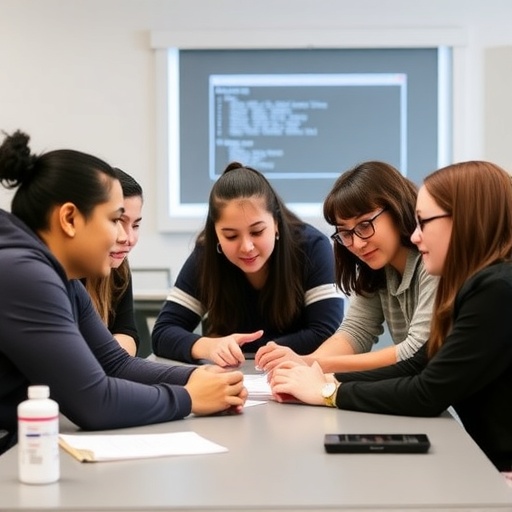
Innovations in Biomedical Engineering: The Role of Peer Justice in Team Inclusion
In the rapidly evolving world of biomedical engineering, the intersection of technology and collaborative learning is becoming increasingly important. Recent research highlights a critical aspect of team dynamics in this field: the concept of “peer justice.” The study conducted by Martin and Newstetter delves into how perceptions of fairness among team members can significantly influence the inclusion of individuals in educational settings, particularly within the realm of biomedical engineering.
The research posits that peer justice, or the fairness and equity perceived in a group setting, plays a pivotal role in determining who gets included in student teams. This is especially crucial in a discipline that thrives on collaboration and innovation. The findings suggest that when students perceive their environment as equitable, they are more likely to engage, contribute, and succeed in team-based problems that are emblematic of real-world biomedical challenges.
The study employs a comprehensive methodology, drawing on both qualitative and quantitative data to assess how peer justice impacts student interactions. By surveying students across various biomedical engineering programs, the researchers capture a holistic view of team dynamics and the factors that encourage or inhibit inclusion. The resulting insights offer valuable guidance for educators seeking to foster more inclusive learning environments.
In particular, the researchers discovered that students who felt they were treated fairly within their teams were more likely to participate actively and feel a sense of belonging. This sense of belonging is critical, given that collaboration is a cornerstone of biomedical engineering education, with projects often requiring diverse skill sets and perspectives. In a discipline where multidisciplinary teams are essential, the implications of peer justice extend far beyond classroom dynamics.
Moreover, the implications of this research resonate with existing literature on group behavior and psychology. Previous studies have established that perceptions of fairness can impact not only group cohesion but also individual satisfaction and performance outcomes. This study effectively bridges that gap by applying these principles specifically to the context of biomedical engineering education, a field often characterized by high-stakes projects and collaborative problem-solving.
Another fascinating aspect of the research is its applicability to real-world scenarios. As the biomedical engineering field continues to grow, understanding the dynamics of team inclusion will be crucial for preparing students for their future careers. The research suggests that educational institutions should implement strategies that enhance perceptions of fairness among students, thus promoting inclusion and improving overall team performance.
Engagement strategies might include structured team-building activities that emphasize fairness, along with clear communication protocols that ensure all voices are heard. By instilling a sense of justice within teams, educators can help mitigate the risk of some students feeling excluded or undervalued, which can substantially impact their academic performance and future career prospects.
The findings of this study also raise questions about the inherent biases that may persist in team settings. Acknowledging that peer dynamics are complex, the researchers urge educators to consider how implicit biases may affect perceptions of fairness. Training on diversity and inclusion can arm students with the tools they need to create equitable environments, further enhancing team cohesion and engagement.
As the biomedical community strives towards more inclusive practices, the study encourages open dialogues about equity in educational contexts. By fostering a culture of peer justice, institutions can not only improve the educational experience but also prepare students to thrive in diverse professional environments. This shift can have far-reaching implications for the future of the biomedical engineering sector, promoting innovation and collaboration among a richer array of voices.
Additionally, the role of technology in enhancing peer justice cannot be overlooked. Digital tools and platforms may provide innovative ways to facilitate feedback and communication among team members, ensuring that everyone’s contributions are acknowledged. Harnessing technology to promote fairness could lead to a paradigm shift in how teams operate in both academic and professional settings.
As the study indicates, the move towards collaborative, inclusive learning environments is not merely an educational concern but rather a societal imperative. As the biomedical field tackles complex global challenges—such as healthcare disparities, organ transplantation, and medical devices—the ability of teams to work effectively and inclusively can determine the success of their innovations.
By weaving peer justice into the fabric of educational practices, future biomedical engineers can emerge not only as skilled professionals but also as advocates for equity in their workplaces. This comprehensive approach could ensure that the next generation is equipped not just with technical prowess but with the core values necessary to lead with integrity and fairness.
In conclusion, the study conducted by Martin and Newstetter serves as a crucial reminder of the influence of peer dynamics on educational experiences in biomedical engineering. By underscoring the importance of peer justice, the research paves the way for educators to rethink strategies for team formation and engagement, ultimately leading to improved collaborative outcomes. The implications of this study are vast, encouraging institutions to prioritize inclusion and equity as they prepare students for the challenges of tomorrow.
In a world that increasingly values diversity and collaboration, the emphasis on peer justice within team settings offers a pathway towards both individual success and collective progress in biomedical engineering.
Subject of Research: The role of peer justice in student team inclusion within biomedical engineering education.
Article Title: Overall Peer Justice Predicts Inclusion in Student Teams in Biomedical Engineering
Article References:
Martin, C.C., Newstetter, W.C. Overall Peer Justice Predicts Inclusion in Student Teams in Biomedical Engineering.
Biomed Eng Education (2025). https://doi.org/10.1007/s43683-025-00202-9
Image Credits: AI Generated
DOI: https://doi.org/10.1007/s43683-025-00202-9
Keywords: Peer Justice, Inclusion, Biomedical Engineering, Team Dynamics, Education, Collaboration, Equity, Diversity, Student Engagement.


