

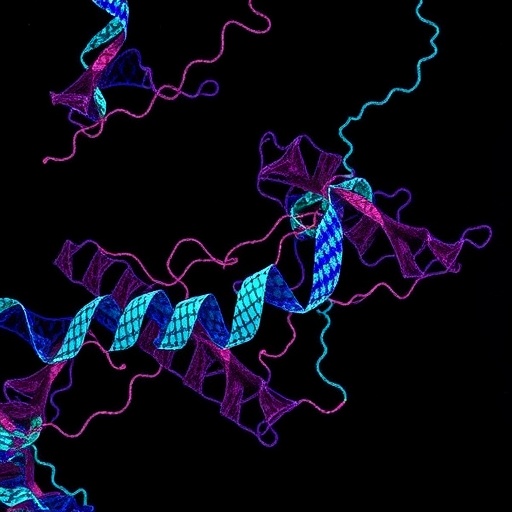
Recent discoveries in the field of biochemistry have unveiled an intriguing connection between the enzyme protein carboxymethyltransferase 1 (PCMT1) and cereblon (CRBN), an E3 ligase substrate adapter that is crucial for the functionality of pharmaceutical agents such as thalidomide and lenalidomide. This relationship opens new avenues for understanding how CRBN recognizes and processes its endogenous substrates, particularly those modified at their C-terminal end. This function is paramount since it intertwines various biological processes that can significantly impact both cellular metabolism and neurological health.
Cereblon operates at the nexus of several cellular pathways, demonstrating its significance not just as an E3 ligase but also as a pivotal regulator of key metabolic enzymes. By identifying PCMT1 as a critical factor in the formation of C-terminal cyclic imides, researchers have illuminated a biological process previously obscured by the complexities of cellular signaling and metabolism. This modification, which occurs at the C-terminal asparagine residues of CRBN substrates, has profound implications, particularly in the context of diseases where CRBN plays a central role.
Historically, thalidomide and its derivatives have been studied for their controversial effects on fetal development and their therapeutic potential in treating conditions such as multiple myeloma. However, the exact molecular mechanics behind the action of these drugs have remained elusive. The recent findings, which detail how PCMT1 governs the establishment of cyclic imide formations, provide a critical biochemical foundation for understanding how thalidomide interferes with normal CRBN function. This insight not only clarifies existing knowledge about these compounds but also paves the way for the design of better therapeutic agents.
In laboratory experiments, researchers have demonstrated that PCMT1 is essential for the modulation of various metabolic enzymes, including glutamine synthetase and inorganic pyrophosphatase 1. This regulation has far-reaching implications; for example, glutamine metabolism is vital for rapidly dividing cells and is often upregulated in cancers. By confirming the interplay between PCMT1 and these metabolic enzymes, scientists have taken a significant step toward elucidating the metabolic landscape influenced by CRBN.
Moreover, the research extends beyond in vitro analyses, finding substantial evidence of PCMT1 and CRBN interactions in cellular and in vivo experiments. This comprehensive approach strengthens the validity of the findings and suggests a robust regulatory network operating within cells. It indicates that the failure of this network, such as in CRBN knockout mouse models, leads to significant phenotypic changes, including manifestations of epilepsy.
The proepileptic phenotype observed in these knockout models is particularly noteworthy. It highlights how crucial the CRBN-PCMT1 axis is for maintaining proper neuronal activity and metabolism. Epilepsy, as a multifactorial disorder, can be influenced by numerous genetic and environmental factors. However, the discovery of this specific enzymatic interaction provides a potential target for therapeutic intervention, which may help in managing or understanding the disease better.
As research continues, the implications for drug design are massive. With the understanding that PCMT1 plays a pivotal role in controlling CRBN substrate modification, future drug development could focus on either mimicking or inhibiting this enzymatic action, adjusting the behavior of CRBN substrates within the body. Such an approach may yield more refined therapies, reducing the adverse effects associated with current treatments while enhancing efficacy.
The broader implications of this research extend even further into the realm of personalized medicine. With a clearer picture of how PCMT1 influences CRBN and its substrates, treatments can potentially be tailored to individual metabolic profiles and disease states. This personalized approach could revolutionize the management of diseases where CRBN is implicated, dramatically improving patient outcomes and reducing treatment-related side effects.
Furthermore, the connection between PCMT1 and CRBN opens up the possibility of exploring similar interactions with other enzymes and substrates. It invites the scientific community to investigate a potential regulatory system that may encompass multiple pathways, with CRBN serving as a central node. This could significantly alter our approach to understanding enzyme-substrate dynamics and their implications in health and disease.
Additionally, more advanced studies could reveal how the dysregulation of this newly discovered pathway might contribute to other neurological disorders beyond epilepsy. The interconnectedness of metabolic pathways and enzymatic regulation suggests that imperfections within this system might facilitate a range of pathological states, prompting further exploration of PCMT1 and CRBN interactions in various contexts.
In summary, the identification of protein carboxymethyltransferase 1 as a promoter of C-terminal cyclic imides on cereblon substrates offers a breakthrough in our understanding of E3 ligase biology and its intersection with metabolic regulation. This discovery not only lays the groundwork for future investigations but also emphasizes the importance of exploring the nuanced relationships between enzymes, substrates, and their broader biological implications. As scientists delve deeper into these connections, we may be on the verge of groundbreaking revelations that could reshape therapeutic approaches across multiple disciplines.
Subject of Research: The regulatory role of PCMT1 in modifying CRBN substrates through C-terminal cyclic imides.
Article Title: PCMT1 generates the C-terminal cyclic imide degron on CRBN substrates.
Article References:
Zhao, Z., Xu, W., Feng, E.Y. et al. PCMT1 generates the C-terminal cyclic imide degron on CRBN substrates.
Nat Chem Biol (2025). https://doi.org/10.1038/s41589-025-02106-9
Image Credits: AI Generated
DOI: https://doi.org/10.1038/s41589-025-02106-9
Keywords: Cereblon, PCMT1, cyclic imides, metabolic regulation, thalidomide, lenalidomide, epilepsy, E3 ligase, drug development, personalized medicine.


