

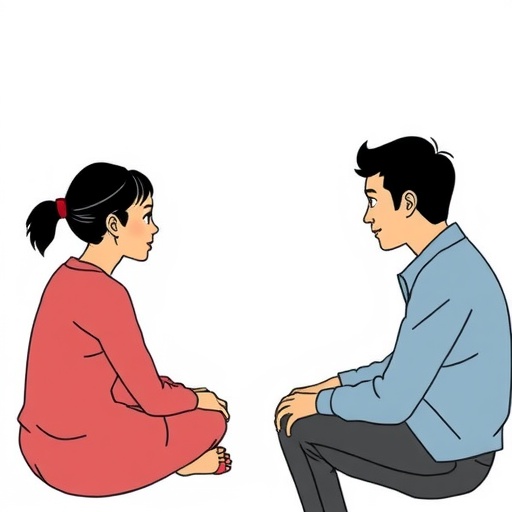
Understanding mental health and help-seeking behaviors among Asian American young adults is an urgent conversation that requires our collective attention. Recent research conducted by Yasui and Jeong sheds light on how parental responses can significantly shape the mental health navigations of this demographic. The findings from their study, soon to be published in the Journal of Child and Family Studies, aim to elucidate the complexities surrounding parental roles in facilitating or hindering their children’s mental health journeys.
In today’s fast-paced world, where various mental health issues are on the rise, the importance of parental influence cannot be overstated. Many Asian American young adults face cultural stigma regarding mental health, which often leads to avoidance of seeking help. This study explores what parents say and do, providing critical insights into the dynamics between Asian American youth and their parental figures when it comes to mental wellness. The research highlights how parental attitudes and beliefs can either support or thwart the mental health experiences of young adults.
One of the crucial aspects unveiled in this study is the gap in communication between parents and their children. Many Asian American youths report feeling isolated in their mental health struggles, largely due to the lack of open dialogue with their parents about these issues. This gap can result from cultural norms that discourage emotional expression, as many immigrant parents may prioritize academic success over mental health awareness. Yasui and Jeong argue that such attitudes create an environment where young adults feel pressured to conform to unrealistic expectations, further exacerbating their mental health challenges.
Yasui and Jeong emphasize the importance of understanding parental responses to better address the mental health needs of Asian American young adults. The authors conducted in-depth interviews with both parents and young adults, allowing them to gather nuanced perspectives on how parental views influence help-seeking behaviors. Surprisingly, the study revealed that parents often underestimate their children’s mental health struggles, which limits their ability to provide appropriate support.
The research also touches on the concept of acculturation, where young adults navigate between traditional cultural values and the demands of Western society. Many Asian American youths find themselves caught between these two worlds, leading to confusion that can obstruct their mental health pathways. Parents who adopt a more Westernized approach to mental health may inadvertently alienate their children, who might feel that disconnect. Conversely, parents who cling tightly to traditional values may not recognize the importance of modern mental health resources, which can prevent their children from seeking help.
In particular, Yasui and Jeong identify key barriers that inhibit effective communication about mental health within families. These barriers include language differences, generational gaps, and differing levels of mental health literacy. Parents may not have the vocabulary to discuss mental health issues effectively, which can lead to misinterpretations and further misunderstandings between generations. As a result, it becomes imperative to equip parents with the necessary tools and knowledge to foster healthier dialogues about mental health in their households.
Moreover, the authors explore the role of educational interventions in addressing these communication barriers. By providing resources aimed at educating parents about mental health, the study suggests that it is possible to enhance their understanding of their children’s experiences. This form of parental education could bridge the existing gap and promote a supportive environment that encourages open discussions about mental well-being. Just as schools often focus on equipping students with social-emotional skills, a parallel effort is needed to educate parents as well.
As mental health continues to gain wider recognition, the conversations surrounding it within families also need to evolve. Yasui and Jeong stress that fostering an environment in which young adults feel comfortable discussing their mental health concerns with their parents can have a transformative effect. In doing so, families can create a collective understanding that prioritizes emotional health parallel to academic and career success.
Another vital point brought forth by the study is the concept of resilience. Even amidst a challenging home environment, many Asian American young adults display remarkable resilience. This innate resilience can be bolstered when parents show understanding and support for seeking help. Unfortunately, the lack of parental support often leads to adverse mental health outcomes, which underscores the need for greater awareness and dialogue within families.
The findings of Yasui and Jeong could have broad implications not only for families but also for mental health practitioners. By understanding the cultural contexts of their clients’ backgrounds, mental health professionals can tailor their approaches and interventions. For instance, incorporating family therapy that includes educational components about mental health could give families the tools they need to work together in supporting the young adult.
This research raises compelling questions regarding generational differences in attitude toward mental health. While younger Asian Americans might lean towards embracing modern mental health practices, their parents may still hold on to deeply rooted beliefs that stigmatize mental illness. Overcoming these differences is essential for fostering an atmosphere in which seeking mental health support is seen as a strength rather than a weakness.
Furthermore, Yasui and Jeong highlight the importance of community-based resources and workshops that educate both parents and young adults. Such initiatives can create safe spaces where families can come together to learn and discuss mental health openly. The importance of community cannot be understated; it plays a pivotal role in shaping attitudes and beliefs about mental wellness. As these community resources expand, they can bridge the gap between the cultural stigma surrounding mental health and the need for support.
In conclusion, the study conducted by Yasui and Jeong offers a crucial perspective on the interplay between parental responses and the mental health of Asian American young adults. By bringing attention to the barriers and communication gaps that exist, the research emphasizes the need for targeted interventions. As society continues to grapple with the complexities of mental health, understanding and enhancing the family dynamic will be essential in creating pathways for healthier discussions and experiences.
In a world where mental health is finally being prioritized, it is paramount that we also consider the family unit’s role in this journey. Parental responses can either cultivate open dialogue and support or perpetuate silence and stigma. The challenge lies ahead—not just for young adults— but for their parents as well to navigate this intricate landscape of mental health together.
Subject of Research: Parental Responses to Asian American Young Adult Mental Health and Help Seeking
Article Title: What Parents Say and do: Parental Responses to Asian American Young Adult Mental Health and Help Seeking
Article References:
Yasui, M., Jeong, E. What Parents Say and do: Parental Responses to Asian American Young Adult Mental Health and Help Seeking.
J Child Fam Stud (2026). https://doi.org/10.1007/s10826-026-03259-4
Image Credits: AI Generated
DOI: https://doi.org/10.1007/s10826-026-03259-4
Keywords: Mental Health, Asian American, Parental Influence, Help-seeking, Communication


