

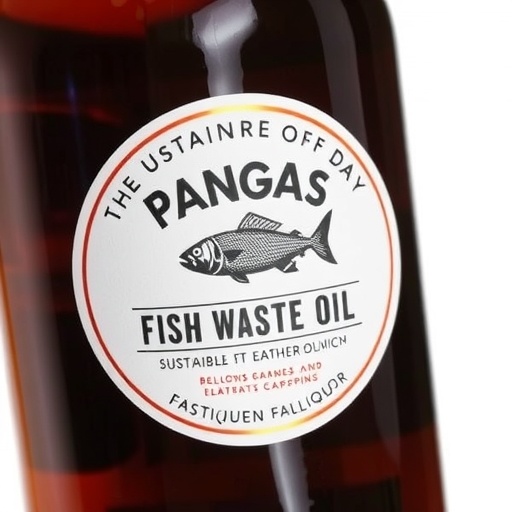
In a groundbreaking study, researchers have harnessed the potential of waste from Pangas fish to develop a sustainable leather fatliquor. This innovative approach not only addresses environmental concerns related to leather production but also paves the way for new applications of fish by-products that would otherwise contribute to waste. Leather, a widely used material in fashion and other industries, often relies on synthetic agents and harsh chemicals for treatments, leading to significant ecological harm. This study is a timely exploration of how natural substances can offer viable alternatives.
The research team, including Naher, Al Shahriar Khan, and Sumiya, sought to investigate the extraction of oil from Pangas fish waste—a by-product typically discarded during the fish processing industry. Pangas fish, or Pangasius, is a popular species in aquaculture, particularly in Southeast Asia, and the processing of this fish represents a substantial amount of waste, which when managed improperly, causes both economic and environmental issues. The objective was clear: transform what is usually considered refuse into a valuable commodity.
To achieve their goal, the researchers extracted oil from the waste generated during the processing of Pangas fish. The extraction process involved carefully selecting the fish parts with high oil content, promoting eco-friendly methodologies to minimize solvent usage. This sustainable approach not only ensures the preservation of the environment but also maximizes the yield from raw materials that are generally underutilized. The extracted fish oil was then analyzed for its properties and potential as a leather fatliquor.
The findings showed that the oil extracted from Pangas fish waste possesses characteristics similar to conventional fatliquors used in leather production. Fatliquors are crucial in the leather-making process as they enhance the flexibility, softness, and overall quality of the leather. The Pangas fish oil showed promising results in these areas, suggesting that it could serve as an effective alternative while also being biodegradable, unlike many synthetic fatliquors, which can be harmful to the environment.
Choosing a sustainable route to leather production is paramount in today’s context, where environmental considerations are front and center. The leather industry has been scrutinized for its environmental footprint, and the search for more sustainable practices has become crucial. By utilizing fish waste, the researchers embark on a mission that aligns with global sustainability goals. They showcase how renewable resources can feed into traditional industries, reducing reliance on non-renewable materials and harmful chemicals.
Moreover, the impact of using such fish-based oils extends beyond just environmental benefits. It can boost local economies, particularly in regions heavily reliant on aquaculture. The transformation of fish waste into a commercially viable product could create jobs and support small businesses engaged in both fish farming and leather production. This potential for economic upliftment cannot be overlooked, especially in areas where employment opportunities are limited.
The innovative application of fish waste oil is also consistent with the growing trend of upcycling, where waste materials are repurposed to create high-value products. This approach foster creativity in industries traditionally reliant on resource-intensive processes. It broadens the horizon for further research where the utilization of different by-products from various sources could provide similar benefits.
The research into Pangas fish waste oil and its application as a leather fatliquor not only emphasizes the prospects of sustainable materials but also sparks curiosity within the scientific community. The next steps in this research could involve large-scale tests and collaborations with leather manufacturers to assess feasibility and scalability. Understanding how the fish oil performs in different leather types and conditions can provide indispensable data for future production practices that prioritize both quality and sustainability.
Furthermore, the success of this research can lead to a ripple effect within and beyond the leather industry. It opens avenues for other sectors to explore sustainable substitutes for conventional materials that have adverse environmental impacts. The quest for innovation in sustainability can be evidenced in many fields, but this study takes a unique angle by providing tangible solutions derived from waste—transforming a burden into an asset.
The results of this study signal a shift in how industries view waste materials. Rather than being categorized solely as refuse, waste is being re-evaluated for its potential contributions. This mindset shift is crucial for future advancements as it encourages industries to think outside of conventional waste management practices. By embracing the philosophy of ‘waste not, want not’, businesses can become champions of sustainability while still meeting consumer demands for quality products.
Overall, the work presented by Naher and his team is both inspiring and necessary in the context of contemporary environmental challenges. By utilizing a natural, renewable resource like Pangas fish waste oil, they not only highlight the possibilities of eco-friendly production methods but also remind us of the substantial impact waste management can have on sustainability. It emphasizes the need for ongoing research, collaboration, and innovative thinking to achieve the goal of a circular economy—where resources are perpetually reused and repurposed.
As our understanding of materials science evolves, so too must our approach to sustainability. The implications of this study extend beyond simply producing a new leather fatliquor; they represent a paradigm shift in how we consider the materials and products we use in our daily lives. By supporting research like this, we take meaningful strides towards more sustainable, responsible practices across various industries.
In conclusion, the extraction and application of Pangas fish waste oil as a sustainable leather fatliquor by Naher, Al Shahriar Khan, Sumiya, and their team reflect critical advancements in integrating sustainability into traditional industries. It serves as an exemplary model for future research endeavors, illustrating how we can innovate and transform waste products into sustainable solutions. The significance of such work cannot be overstated as we navigate an ever-changing environment and strive towards a more sustainable future in leather manufacturing and beyond.
Subject of Research: Extraction and application of Pangas fish waste oil as a sustainable leather fatliquor.
Article Title: Extraction and application of Pangas fish waste oil as a sustainable leather fatliquor.
Article References:
Naher, U.H.B., Al Shahriar Khan, M., Sumiya et al. Extraction and application of Pangas fish waste oil as a sustainable leather fatliquor.
Environ Sci Pollut Res (2025). https://doi.org/10.1007/s11356-025-37297-0
Image Credits: AI Generated
DOI: https://doi.org/10.1007/s11356-025-37297-0
Keywords: Sustainable leather production, Pangas fish waste, Fatliquor, Environmental impact, Upcycling, Leather industry sustainability, Renewable resources.


