

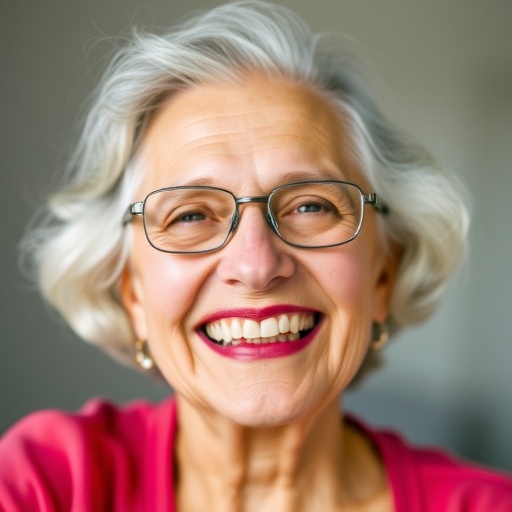
In recent years, the aging population worldwide has prompted extensive research into factors that contribute to active aging—a multidimensional process enabling older adults to maintain a high quality of life, functionality, and well-being. Among the many determinants impacting aging, oral health has emerged as a critical yet often overlooked component. A groundbreaking study conducted by Wu, Zhang, Mao, and colleagues, recently published in BMC Geriatrics, explores the intricate relationship between oral health and active aging among elderly individuals residing in rural China. This research illuminates the significant mediating roles played by intergenerational support and social isolation, weaving a complex tapestry that links physical health, social dynamics, and psychological resilience in late life.
The researchers focused their attention on rural areas in China, where elderly populations typically face unique challenges related to healthcare accessibility, socioeconomic status, and social engagement. These demographic specifics render rural elderly cohorts particularly vulnerable to poor oral health outcomes, which may in turn negatively affect their overall aging process. Oral health bears direct implications for nutrition, speech, self-esteem, and systemic diseases. Consequently, the study scrutinizes whether optimal oral health positively correlates with active aging and the mediating influence of two social factors: intergenerational support and social isolation.
Intergenerational support—the assistance and emotional bonding shared between aging parents and their adult children—plays a pivotal role in shaping the elderly’s social and psychological milieu. In rural China, traditional family structures often prioritize filial piety and caregiving by younger generations. The study postulates that robust intergenerational support could not only enhance oral health through assistance in health-promoting behaviors but could also prevent or alleviate social isolation, thereby fostering active aging. Conversely, social isolation—characterized by feelings of loneliness and a lack of meaningful social connections—has been identified as a significant risk factor for physical and mental decline, including cognitive impairments, depression, and mortality.
To elucidate the intricate pathways linking oral health, intergenerational support, social isolation, and active aging, the research team employed a sophisticated chain mediation model. This statistical tool enabled them to parse out both direct and indirect effects, offering insights into the mechanisms by which oral health influences the active aging trajectory. Data were collected via comprehensive oral health examinations, structured questionnaires assessing perceived social support, social networks, and indices of active aging such as physical functionality, mental well-being, and social participation.
The findings revealed a robust positive association between oral health and active aging, substantiating oral health as a vital contributor to successful aging outcomes. Importantly, the mediation analysis underscored that this relationship was significantly influenced by the degree of intergenerational support received by the elderly. Adequate support from younger family members enhanced oral hygiene practices and dental care utilization, which in turn directly contributed to improved active aging manifestations.
Moreover, social isolation emerged as a critical mediating factor that could either exacerbate or mitigate the impact of oral health on aging. Elderly individuals who reported higher social isolation experienced diminished active aging outcomes regardless of their oral health status, highlighting the profound influence of social connectivity on health trajectories. The data further indicated that intergenerational support mitigated social isolation, suggesting a sequential mediation effect. In other words, better oral health promoted intergenerational support, which reduced social isolation, collectively fostering more active aging.
These insights carry substantial implications for public health policies and interventions aimed at improving elderly care in rural China and similar contexts globally. By acknowledging the pivotal role of oral health within the broader social ecosystem, policymakers can design integrated health programs that concurrently address dental care accessibility, family support mechanisms, and social engagement activities. For example, community-based initiatives encouraging family involvement in elderly health maintenance and creating social hubs to combat isolation may significantly enhance quality of life and functional independence among rural older adults.
From a technical perspective, this research advances the methodological landscape by deploying chain mediation analysis to unravel multidimensional aging phenomena, a technique particularly suited for interdependent and sequential psychosocial factors. Furthermore, the use of validated oral health indices and robust social support metrics ensures the study’s findings possess both empirical rigor and ecological validity. The interdisciplinary approach, blending gerontology, dental epidemiology, and social sciences, paves the way for more nuanced explorations of aging processes.
The authors also highlight potential limitations, including cross-sectional design constraints that preclude definitive causal inferences and the challenge of generalizing findings across diverse rural settings with varying cultural and socioeconomic profiles. Future longitudinal research integrating biometric markers and qualitative assessments could deepen understanding of how oral health trajectories interact with social determinants over time to influence aging outcomes.
Importantly, this study signifies a paradigm shift in the conceptualization of active aging, situating oral health not merely as a biomedical concern but as a social and familial phenomenon deeply intertwined with elderly well-being. This holistic perspective aligns with World Health Organization frameworks emphasizing the integration of health, social participation, and security to optimize aging experiences worldwide.
In summary, Wu and colleagues’ research underscores the indispensable role that oral health plays in promoting active aging among rural elders in China. The cascade effects through intergenerational support and social isolation elucidate avenues for transformative interventions that can elevate elder care paradigms. Such strategies are especially urgent considering rapidly aging populations and persistent health disparities in underserved rural communities. By fostering stronger family bonds and social inclusion, alongside improving oral health infrastructure, societies can significantly enhance the prospects for healthy longevity and dignified aging.
This pioneering work offers compelling evidence for a more comprehensive approach to elderly healthcare—one that integrates dental care with social support enhancement. It challenges researchers, clinicians, and policymakers alike to reconceptualize aging as a dynamic interplay of biological, social, and familial factors requiring coordinated multisectoral responses. The ripple effects of improving elderly oral health and social connectivity could resonate well beyond individual well-being, contributing to social cohesion, economic sustainability, and intergenerational solidarity in an era of demographic transformation.
As the global community grapples with the complex challenges of population aging, insights from this study offer a beacon guiding more effective, evidence-based strategies to nurture active aging environments. Empowering rural elders through better oral health, reinforced family support, and reduced social isolation represents a vital frontier for research and policy aiming to enhance life quality and healthspan in later years.
By strategically bridging clinical dental care and social support networks, this research illuminates a path toward aging with vitality, purpose, and inclusion. It amplifies the call for innovative, culturally sensitive programs that resonate with the lived realities of rural elderly populations. In harnessing the interconnectedness of physical and social health domains, society can better fulfill the promise of active aging for all.
The implications of this work extend into numerous sectors and disciplines, inviting ongoing investigation into the multiplicity of factors that converge to shape aging experiences. Future interdisciplinary collaborations will be critical to refining these insights and translating them into scalable, context-appropriate interventions that honor the diversity and dignity of ageing populations globally.
Subject of Research: The relationship between oral health and active aging among elderly populations, focusing on the mediating effects of intergenerational support and social isolation.
Article Title: The relationship between oral health and active aging among the elderly in rural China: the chain mediating effect of intergenerational support and social isolation.
Article References:
Wu, L., Zhang, D., Mao, Y. et al. The relationship between oral health and active aging among the elderly in rural China: the chain mediating effect of intergenerational support and social isolation. BMC Geriatr (2026). https://doi.org/10.1186/s12877-026-07306-z
Image Credits: AI Generated


