

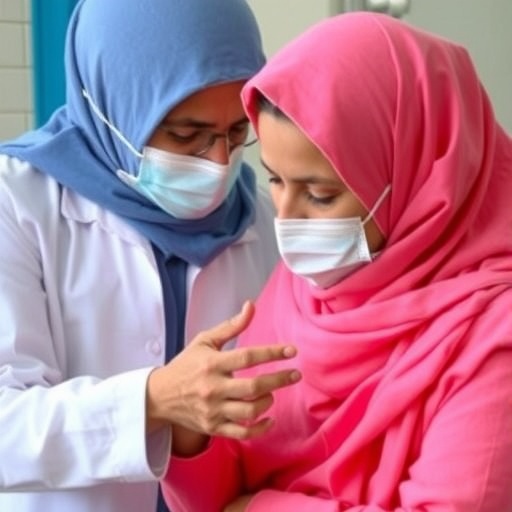
Access to healthcare is a fundamental human right, yet for many marginalized groups, including asylum seekers and refugees, accessing essential medical services is fraught with obstacles. A groundbreaking study published in the International Journal for Equity in Health in 2025 sheds light on the multifaceted barriers that refugees and asylum seekers face when attempting to obtain oral healthcare in Switzerland. This qualitative research offers a rare and comprehensive insight into the lived realities of displaced populations struggling to maintain their oral health in a foreign land.
Oral healthcare often takes a backseat in discussions about refugee health, despite the profound impact of oral diseases on overall wellbeing. Conditions such as dental caries, periodontal disease, and oral infections can severely impair nutrition, communication, and self-esteem. This research highlights that while refugees’ physical survival is prioritized in humanitarian responses, their oral health needs remain largely overlooked, exacerbating vulnerabilities and impairing integration efforts.
The study employed detailed in-depth interviews with asylum seekers, refugees, and healthcare providers across multiple Swiss cantons. The qualitative approach allowed the researchers to capture nuanced personal narratives and systemic challenges that go beyond quantitative data. Through these stories, themes of linguistic barriers, cultural misunderstandings, and bureaucratic hurdles emerged as pervasive factors limiting access to dental care.
Language incompatibility is one of the most immediate and insidious obstacles revealed in the study. Refugees often encounter significant difficulties communicating their symptoms and understanding complex medical terminology. This communication gap leads not only to underdiagnosis and mistreatment but also generates fear and mistrust towards healthcare providers. Though interpreter services exist, their availability and quality are inconsistent, making meaningful interaction a rare luxury.
Cultural perceptions about oral health also contribute to the problem. Many asylum seekers come from regions where dental care is considered a luxury rather than a necessity, or where traditional remedies are preferred to formal treatments. Such divergent health beliefs and practices create disconnects between patients and Swiss dental care professionals, resulting in reduced uptake of available services and less adherence to treatment regimens.
Structural barriers also loom large. Swiss health insurance policies and legal entitlements for asylum seekers often complicate eligibility for dental care. Some refugees reported confusion about insurance coverage, while others cited long waiting times and difficulty navigating appointment systems. The fragmentation of healthcare services between cantons further compounds these challenges, yielding inequitable access depending on geographical location.
Economic hardship remains an ever-present shadow over healthcare access. Many asylum seekers live under financial strain, with competing priorities such as housing, food, and legal proceedings often taking precedence over seeking dental care. Direct and indirect costs, including transportation, consultation fees, and medication, can be prohibitive, underscoring the paradox of oral health being a low priority yet a pressing need.
The role of healthcare providers emerged as pivotal in mediating access and quality of care. Those with experience in refugee health demonstrated empathy, flexibility, and cultural competence. However, a lack of specialized training in refugee health issues among some dental professionals contributed to suboptimal care. The study strongly advocates for capacity-building initiatives aimed at fostering cultural competence and trauma-informed care in dental settings.
The psychosocial dimensions of oral health were poignantly illustrated in participants’ narratives. Chronic dental pain and visible oral conditions affected self-confidence, social interactions, and mental health, compounding the psychological distress already associated with displacement and the asylum process. Oral health thus appears as not simply a clinical concern but an essential element of holistic refugee wellbeing and social integration.
Policy implications stemming from this research emphasize the need for systemic reforms. Integrated care models that embed oral health into primary refugee health services could circumvent some access barriers. Proactive outreach, inclusive health education tailored to diverse cultural backgrounds, and streamlined insurance processes are critical components to foster equitable oral health outcomes.
The study challenges policymakers and healthcare systems to rethink oral healthcare delivery in refugee and asylum seeker populations. By centering patient voices and embracing qualitative insights, this research dismantles assumptions of healthcare access as a straightforward service provision issue. Instead, it reveals a complex interplay of cultural, linguistic, economic, and legal determinants that require multi-layered interventions.
Importantly, the Swiss context, characterized by decentralized health governance and high living standards, presents unique challenges and opportunities. While Switzerland offers comparatively comprehensive social services, disparities persist, suggesting that even well-resourced countries must adapt health policies to better serve displaced populations’ oral healthcare needs.
This research stands as a call to action for international health bodies, dental professional organizations, and humanitarian agencies. Addressing oral health inequities in refugees is urgent not only to alleviate suffering but also to uphold human dignity. The study underscores that oral health is inseparable from general health and social inclusion, urging a paradigm shift toward equitable, culturally sensitive, and accessible dental care.
In conclusion, this in-depth exploration into asylum seekers and refugees’ access to oral health services in Switzerland provides invaluable empirical evidence and practical recommendations. It illuminates persistent gaps and potential pathways toward improving oral healthcare in this vulnerable population. The findings serve as a compelling argument for embedding oral health as a priority within refugee health frameworks worldwide, ensuring no individual’s smile fades in the shadows of displacement.
The rich qualitative data presented also open avenues for further research into innovative models of care, multilingual health communication strategies, and the interplay between oral health and mental health in refugee populations. Ultimately, this study contributes significantly to the discourse on equity in healthcare and reinforces the essential link between social justice and oral health provision.
Subject of Research:
Asylum seekers and refugees’ access to oral health care services in Switzerland
Article Title:
Asylum seekers and refugees’ access to oral health care services in Switzerland: a qualitative study
Article References:
Alchalabi, L., Probst-Hensch, N., Zitzmann, N.U. et al. Asylum seekers and refugees’ access to oral health care services in Switzerland: a qualitative study. Int J Equity Health (2025). https://doi.org/10.1186/s12939-025-02711-z
Image Credits: AI Generated


