

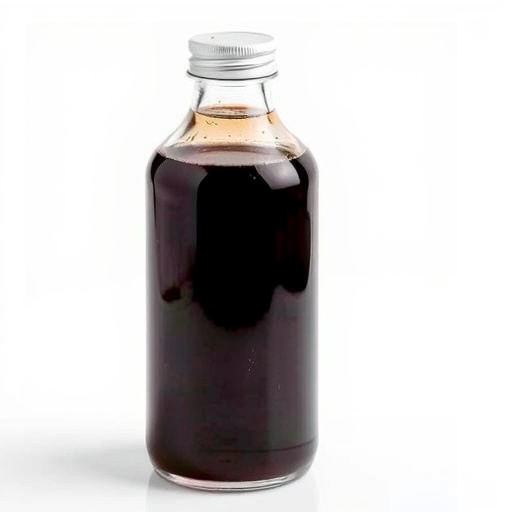
In the world of sustainable bioprocessing, innovative approaches are constantly being developed to optimize the production of biopolymers, which are essential for creating environmentally-friendly materials. A recent study presents an exciting integration of bagasse pretreatment black liquor into microbial biopolymer production, effectively merging waste valorization with microbial synthesis. This advancement holds the potential to revolutionize the way we think about biomass byproducts and their usage in biotechnological applications.
Bagasse, a fibrous residue obtained from sugarcane processing, has long been regarded as a waste product. The findings by Quraishi and Mahanty suggest that even this agricultural residue can be transformed into a valuable resource, subsequently contributing to the production of biopolymers. This not only addresses waste management issues but also supports the principles of a circular economy, where waste products can be redirected into meaningful use. More importantly, the study shines a light on metabolic pathways used by microorganisms that can effectively utilize bagasse-derived substrates, paving the way for more efficient fermentation processes.
A pivotal component of the research involved the pretreatment of bagasse to generate black liquor. The coordination of this process allows for the breakdown of complex carbohydrates into simpler sugars, which aimed at increasing the yield of microbial biopolymer production. The utilization of black liquor is particularly notable as it provides a rich source of compounds necessary for the microbial fermentation process while also being environmentally friendly. This presents a significant reduction in the use of synthetic chemicals typically involved in biopolymer production—a game changer in industrial biotechnology.
One of the key findings of the study is the effective modeling and optimization of this integrated process. Advanced computational techniques were employed to predict the best operating conditions for microbial growth and biopolymer production. This aspect is critical as it allows for the fine-tuning of parameters such as temperature, pH, and nutrient supply to maximize yield, thus enhancing the overall efficiency of the bioprocess. By utilizing process modeling, researchers can simulate various conditions and identify the optimal scenarios that would not only increase production rates but also minimize operational costs.
The microbial strains selected for this study were chosen for their adaptability to the substrates sourced from bagasse black liquor. The bioconversion utilized a range of microorganisms that exhibit robust fermentation capabilities, ensuring that the process could be efficiently scaled. The researchers worked meticulously to ensure that the microbial consortia were well-adapted to convert complex organic matter into biopolymers. They also highlighted the importance of strain selection in enhancing productivity, as different strains possess unique metabolic pathways that can significantly affect end-product yields.
Moreover, the study sheds light on the environmental benefits associated with the use of bagasse black liquor in biopolymer production. Conventional methods often rely on non-renewable resources and can produce harmful waste byproducts. In contrast, this integrated approach promotes a sustainable framework by tapping into agricultural waste and producing biopolymers that are biodegradable, thus reducing the ecological footprint of the manufacturing process.
The findings of this research bear significance not only for academia but also for industries focused on biopolymer production. The optimization of bioprocesses can lead to reduced reliance on synthetic materials, offering a viable alternative for applications ranging from packaging materials to medical devices. The transition towards sustainable practices in industries reliant on plastics is crucial in addressing the mounting environmental challenges posed by plastic pollution.
Furthermore, the research points to the feasibility of utilizing other agricultural waste products in similar biotechnological applications, amplifying the concept of biowaste valorization. By adopting the principles demonstrated in this study, industries around the globe could re-evaluate their waste management strategies, ultimately leading to innovative and sustainable practices that benefit both the economy and the environment.
The authors emphasize the transformative potential of combining chemistry with biology in their research, advocating the design of integrated systems capable of minimizing waste while maximizing output. The intricate relationship between microbial metabolism and bioprocess engineering was clearly articulated, showcasing a pathway forward that emphasizes sustainability without compromising on quality or efficiency.
The study anticipates potential challenges in scaling this process for widespread industrial use. Factors such as the scalability of the pretreatment process, the economic viability of integrating the bioprocess into existing production systems, and the regulatory frameworks surrounding biopolymer usage will need careful consideration. However, the prospects are promising, particularly as global industries face increasing pressure to reduce their environmental impacts.
In conclusion, the integration of bagasse pretreatment black liquor into microbial biopolymer production represents a significant step forward in the realm of sustainable biotechnology. The research not only underscores the versatility of agricultural waste but also demonstrates a forward-thinking approach that melds interdisciplinary techniques in engineering and microbiology. This innovative avenue of research is poised to make a considerable impact, encouraging further studies and driving progress in the quest for more sustainable industrial practices in the future.
As stakeholders in biotechnology continue to explore new horizons for waste resource management and production efficiency, the findings presented by Quraishi and Mahanty are timely and essential. They not only provide a framework for future research to build upon but also inspire a collaborative vision for a sustainable future.
In summary, this study presents a compelling case for a paradigm shift in how we approach biopolymer production, highlighting the importance of sustainability, innovation, and systems thinking in addressing modern environmental challenges.
Subject of Research: Integration of bagasse pretreatment black liquor into microbial biopolymer production.
Article Title: Integration of Bagasse Pretreatment Black Liquor into Microbial Biopolymer Production – Process Modeling and Optimization.
Article References:
Quraishi, R., Mahanty, B. Integration of Bagasse Pretreatment Black Liquor into Microbial Biopolymer Production – Process Modeling and Optimization.
Waste Biomass Valor (2026). https://doi.org/10.1007/s12649-026-03489-z
Image Credits: AI Generated
DOI: https://doi.org/10.1007/s12649-026-03489-z
Keywords: Biopolymer production, bagasse, black liquor, microbial metabolism, sustainability, waste valorization, process modeling, optimization, biochemistry, biotechnology, environmental impact, circular economy.


