

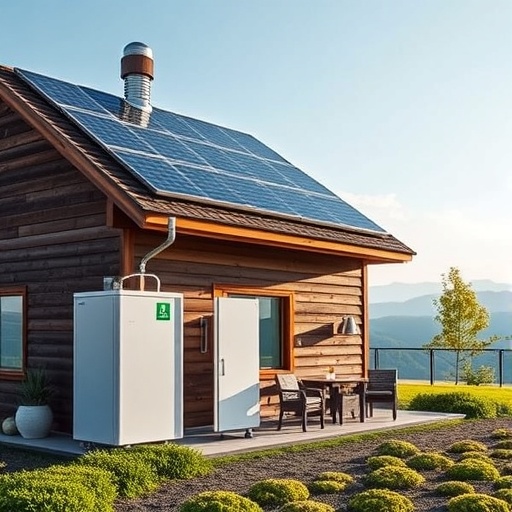
The advent of renewable energy technologies has heralded a new era in energy distribution and management strategies. Energy storage systems, particularly when integrated with renewable sources, present unique opportunities and challenges in optimizing energy use. In recent research conducted by Y. Zhong, the focus has turned towards the spatial planning of homestays based on the optimal configuration of energy storage systems within renewable energy distribution networks. This groundbreaking study showcases innovative techniques that could redefine both energy efficiency and accommodation experiences in the tourism sector.
In the rapidly evolving landscape of energy management, traditional methods are becoming increasingly inadequate. With the surge in renewable energy sources such as solar and wind, the need for efficient energy storage solutions has never been more pronounced. Zhong’s research seeks to address the spatial planning deficits that often hinder the effective application of energy storage in homestays, a burgeoning sector within the hospitality industry that frequently prioritizes sustainability and eco-friendliness. By spearheading the exploration of optimal configuration strategies, this study offers a timely perspective on how to harmonize renewable energy utilization within these unique lodging environments.
One of the fundamental challenges highlighted in Zhong’s research is the mismatch between energy supply and demand in homestays. These accommodation options, often nestled in remote or rural areas, can experience significant fluctuations in energy requirements due to varying occupancy rates. Zhong proposes that by strategically planning the spatial arrangement of energy storage systems, homestays can achieve a more reliable balance between generated energy and consumption needs. This approach aims to mitigate the inefficiencies currently witnessed in energy distribution, providing a more robust framework for energy management.
Moreover, Zhong emphasizes the importance of assessing geographical and environmental factors when planning energy storage systems. The intrinsic qualities of each homestay location, including solar exposure, wind patterns, and topographical features, greatly influence energy efficiency. By employing advanced algorithms and simulation models, the research outlines a methodology for selecting the best possible configuration for energy storage systems suited to specific locations. This attention to environmental detail not only ensures optimization but also fosters the integration of renewable resources in a manner that respects the natural surroundings.
The integration of energy storage systems can provide significant financial benefits for homestays as well. Zhong’s study highlights that, by implementing optimal configurations, these establishments could lower operational costs associated with energy procurements. This financial feasibility could also make eco-friendly homestay options more attractive to a greater number of tourists, tapping into the growing market demand for sustainable travel choices. In essence, Zhong’s research connects the dots between energy efficiency and economic viability, paving the way for a new class of eco-conscious lodging.
Furthermore, Zhong’s work contributes to the larger dialogue regarding global energy sustainability. As countries around the world strive toward reducing carbon emissions and promoting clean energy usage, the hospitality sector remains a often overlooked player. By designing homestays that effectively incorporate renewable energy solutions, this research contributes to the broader goals of sustainability in the tourism industry. A shift towards optimized energy usage not only benefits individual businesses but also resonates on a larger scale, promoting a paradigm of responsible energy consumption that can influence guest behaviors and expectations.
Adjacent to the sustainability narrative, Zhong’s research also calls attention to the potential for technological advancement in the energy sector. With the proliferation of smart technologies, the opportunities for integrating these systems into homestay operations become increasingly feasible. The findings suggest that through intelligent energy management systems, coupled with optimal configurations proposed by Zhong, homestays can unlock unprecedented levels of convenience and efficiency. This shifts the landscape for both operators and guests, whereby technology becomes an enabler rather than a hindrance to sustainable operations.
In exploring the practical aspects of his findings, Zhong articulates the necessary steps for industry stakeholders to implement these strategies effectively. Collaboration with energy experts, investment in smart technology, and continuous education about renewable energy solutions are all pivotal to achieving the envisioned optimization of homestay establishments. As hospitality operators begin to incorporate these findings, a new niche could emerge within the industry, characterized by an emphasis on intelligent energy use and sustainability.
Moreover, the sociocultural implications of such research cannot be understated. As tourists become increasingly aware of their environmental impact, they actively seek accommodation that aligns with their values. By facilitating a transition towards eco-friendly and energy-efficient homestays, providers can not only cater to this demand but also play an integral role in shaping consumer behaviors. This societal shift signifies a deeper interconnectedness between tourism, energy management, and environmental stewardship, echoing the urgent need for collective action towards sustainable practices.
Overall, Zhong’s research offers unprecedented insights into the integration of energy storage systems within the homestay sector, fostering a narrative that evolves around optimization, sustainability, and economic viability. As the study propels forward-thinking discussions in energy network management, it also bears the potential to transform how service providers approach energy solutions. By encapsulating these insights, we embark on a journey that fundamentally shifts our understanding of the relationship between tourism and renewable energy.
In conclusion, Zhong’s work serves as both a clarion call and a practical guide for the hospitality industry to embrace the future of energy management. By harnessing the power of optimized energy storage configurations in renewable energy distribution networks, homestays can evolve into exemplars of sustainability. The benefits extend beyond mere energy efficiency; they include economic gains, enhanced guest experiences, and a significant step toward responsible energy consumption. As the world moves towards a greener future, the synergy between tourism and renewable energy presents an opportunity to redefine our relationship with the environment, ushering in a new age of eco-conscious travel.
Subject of Research: Homestay spatial planning and energy storage systems in renewable energy distribution networks.
Article Title: Research on homestay spatial planning method based on optimal configuration of energy storage system in renewable energy distribution network.
Article References:
Zhong, Y. Research on homestay spatial planning method based on optimal configuration of energy storage system in renewable energy distribution network. Discov Artif Intell (2026). https://doi.org/10.1007/s44163-025-00793-w
Image Credits: AI Generated
DOI: 10.1007/s44163-025-00793-w
Keywords: Renewable energy, energy storage systems, spatial planning, homestays, energy efficiency, sustainability, smart technology, tourism, eco-friendly lodging, environmental stewardship, optimization strategies, economic viability, energy management, responsible consumption.


