

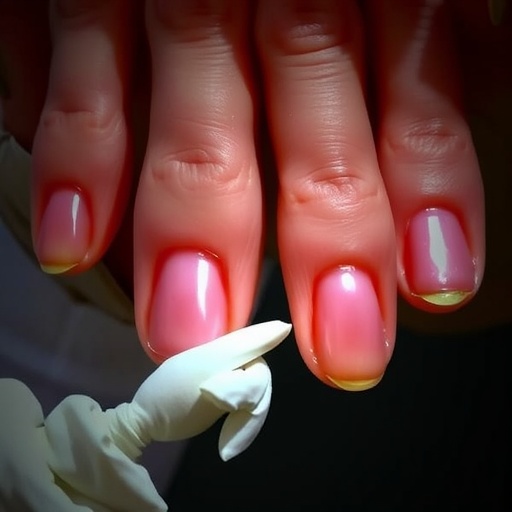
In a groundbreaking study soon to be published, researchers have unveiled critical insights into the prevalence and psychological underpinnings of onychophagia—commonly known as nail biting—among medical students in Egypt. This issue often goes overlooked, but it is a significant somatic manifestation that can indicate underlying mental health challenges, particularly in high-stress academic environments. Given that medical students are routinely exposed to rigorous curricula, the impetus behind this study is not only timely but essential in addressing the mental well-being of future healthcare professionals.
The study, conducted by an esteemed team of researchers including Mohammad, Hammad, and Elghazally, involved a cross-sectional survey of Egyptian medical students. Utilizing both qualitative and quantitative methods, the researchers aimed to elucidate the prevalence of onychophagia and its correlates. By examining this phenomenon within a high-pressure environment, the authors sought to contribute to the understanding of behavioral manifestations of stress and anxiety, which are commonly reported among students in medical disciplines.
Onychophagia is not simply a benign habit; it can lead to significant physical consequences such as nail infections, dental problems, and even psychological disorders. The study highlights the duality of onychophagia as both a coping mechanism and a symptom of deeper psychological distress. This research urges educators and mental health professionals to recognize nail biting not as a mere triviality but as a potentially serious concern warranting attention and intervention.
In their analysis, the authors revealed that the prevalence of nail biting among the surveyed cohort was alarmingly high. Reports indicated that nearly 30% of medical students engage in the behavior, which raises questions about the environmental and emotional factors contributing to this trend. The study posits that academic pressures, coupled with the demanding nature of medical training, may exacerbate the incidence of such maladaptive coping mechanisms among students.
Examining the correlates of onychophagia, the research team discovered a significant correlation between the behavior and various psychological biopsychosocial factors, including anxiety levels, self-esteem issues, and stress management abilities. Interestingly, students who reported higher levels of anxiety were also more likely to engage in nail biting. This correlation underscores the necessity for psychological support systems within educational institutions to address the mental health needs of students, ultimately fostering a healthier academic environment.
The findings shed light on the implications of onychophagia, not merely as a physical act but as an indicator of broader psychological health. The researchers emphasize that while nail biting can be a sign of anxiety, it can also serve as a self-soothing mechanism. This presents a paradox: while it provides temporary relief, it could lead to longer-term negative consequences if left unaddressed. As such, this study aims to spark discussions among mental health practitioners regarding appropriate interventions for students struggling with anxiety and related behaviors.
Moreover, the study recommends the implementation of programs designed to cultivate resilience and coping strategies among medical students. By integrating mental health education into the medical curriculum, educational institutions can proactively mitigate stress and related behaviors such as nail biting. Programs centered around mindfulness, stress management, and emotional regulation could be pivotal in providing students with constructive alternatives to maladaptive coping habits.
In addition to addressing individual behaviors, the authors of the study call for a multifaceted approach to tackle the issue of mental health in medical education. They advocate for institutional reforms that promote mental wellness, reduce stigma, and foster open dialogues about mental health challenges. By doing so, the health sector can work towards creating environments that prioritize student well-being, akin to the high standard of care they are expected to provide as future physicians.
As medical training continues to evolve, incorporating mental health as a core component can not only lead to healthier students but also to more empathetic physicians. This study serves as a clarion call for educational institutions to do more in prioritizing the emotional and psychological well-being of future healthcare providers. A well-rounded education that includes mental health awareness can lead to the cultivation of doctors who are not only knowledgeable but are also attuned to the psychological dimensions of patient care.
The implications of the findings also extend beyond the medical community and into broader societal discussions about mental health. As onychophagia and other stress-related behaviors become more prevalent, society must engage in meaningful conversations about the pressures faced by various populations, particularly students in high-stakes environments. This study emphasizes the need for collective efforts to address mental health at all levels.
The researchers believe that future studies should expand their scope to different geographical areas and other academic disciplines to validate these findings. A more comprehensive understanding of onychophagia across diverse populations can result in improved frameworks for mental health intervention programs tailored not only for medical students but for all students experiencing pressure in their academic lives.
In closing, the research conducted by Mohammad, Hammad, and Elghazally illuminates the critical need for attention to mental health issues faced by medical students. The high prevalence of nail biting among this population serves as a reminder of the importance of mental wellness in academic success. As this study prepares for publication, the hope is that it will ignite conversations about necessary changes in educational practices, ultimately fostering a culture of empathy and understanding in the field of medicine.
This study reminds us that the success of educational institutions is not solely measured by academic achievements but also by the mental and emotional well-being of their students. Addressing these challenges head-on will be crucial for shaping a healthier generation of healthcare providers capable of delivering compassionate care.
Subject of Research: Prevalence and correlates of onychophagia among Egyptian medical students.
Article Title: Prevalence and correlates of onychophagia among Egyptian medical students: a cross-sectional study.
Article References:
Mohammad, A.M.A., Hammad, R.A.A.EH. & Elghazally, N.M. Prevalence and correlates of onychophagia among Egyptian medical students: a cross-sectional study.
Discov Ment Health (2025). https://doi.org/10.1007/s44192-025-00327-x
Image Credits: AI Generated
DOI:
Keywords: onychophagia, medical students, mental health, stress, coping mechanisms.


