

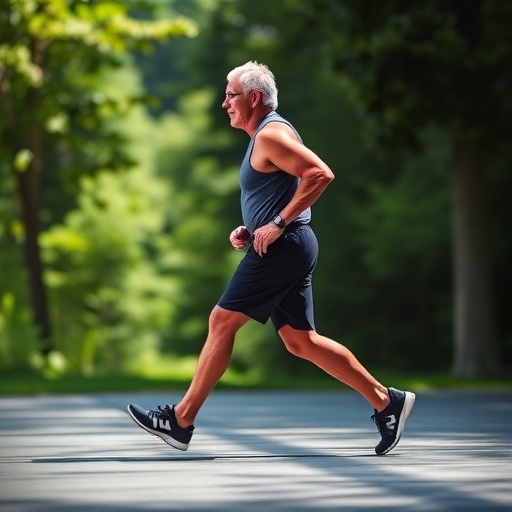
In recent advances in geriatric health and exercise science, a team of researchers led by W. Skrobot has unveiled an intriguing relationship between a novel training modality, termed Nordic Walking Resistance Strength Adaptation (NW-RSA), and enhanced mobility in older women. This groundbreaking study, which took place in a well-controlled setting, reveals that engaging in NW-RSA training can lead to significant improvements in gait, a critical aspect of mobility that often deteriorates with age. The research emphasizes the role of nutritional and physiological factors, particularly focusing on myostatin and L-arginine metabolites, which serve as biomarkers for muscular health and metabolic function.
The importance of gait in the elderly cannot be understated, as it is inherently linked to overall quality of life. Walking comprises not just a simple physical activity but is fundamental to independence and social participation. Declines in gait speed and stability, often stemming from sarcopenia (age-related muscle loss), can precipitate falls and subsequent health complications, which is particularly detrimental to the older demographic. The findings from this study might outline a pathway for developing strategies to mitigate these risks, thus enhancing the autonomy and well-being of older adults.
The NW-RSA training program, which combines elements of resistance training with the aerobic benefits of Nordic walking, has shown promise in enhancing muscular strength and endurance. By incorporating resistance elements, participants are encouraged to engage their muscles more fervently, which can, in turn, stimulate muscle hypertrophy and improve overall strength. The meticulously structured training regimens were tailored to cater to the capacity of older individuals, ensuring safety while maximizing efficiency and effectiveness.
One of the most compelling components of this research is its investigation into the biochemical responses triggered by NW-RSA training. Specifically, the study found that participants exhibited a noteworthy reduction in myostatin levels post-training. Myostatin, a protein that inhibits muscle growth, plays a crucial role in muscle health, especially in the aging population. By decreasing the circulating levels of this inhibitory factor, older women participating in the NW-RSA training may have experienced less resistance to muscle growth, presenting a promising angle for future interventions aimed at combating sarcopenia.
L-arginine, an amino acid known for its role in nitric oxide synthesis, was another focal point of the research. The study found that improved metabolites related to L-arginine were prevalent in participants who underwent NW-RSA training. Enhanced levels of L-arginine metabolites can have multiple beneficial effects, including improved blood flow and increased nutritional delivery to muscles during and post-exercise. This can further facilitate the recovery process and promote muscle repair, crucial components in maintaining muscular functionality as one ages.
In a meticulously designed trial that included a robust sample size, the researchers ensured that the effects of confounding variables were minimized. Participants, older women with preserved vitamin D levels, were monitored throughout the training process, allowing for a comprehensive understanding of the interplay between exercise, nutrient levels, and physiological markers. The controlled conditions also enabled the researchers to draw stronger conclusions regarding cause-and-effect relationships between NW-RSA training and the observed health benefits.
The positive outcomes related to gait enhancement post-training are suggestive of broader implications for the aging population. As societies grapple with aging demographics, implementing effective, evidence-based exercise programs such as NW-RSA could significantly alleviate the burden of age-related decline in mobility. Enhanced gait not only translates to better physical health but also promotes psychological well-being, as independence in mobility is linked to higher self-esteem and reduced feelings of helplessness or isolation among older adults.
Furthermore, wider dissemination of knowledge regarding such beneficial exercise interventions could potentially empower older adults to engage in proactive health measures. Community programs that promote NW-RSA training could serve as platforms for social interaction, enhancing both physical and emotional health. Encouraging communal participation in these health initiatives could additionally alleviate barriers that many older individuals face, such as lack of motivation or resources.
As part of the global health conversation, these findings also intersect with ongoing discussions surrounding preventive health measures and lifestyle modifications. The relationship between physical activity, nutrition, and overall health outcomes is increasingly seen as paramount in developing sustainable health strategies. Emphasizing the importance of muscle health and mobility within public health initiatives can help cultivate environments that support the active engagement of older populations.
Moreover, further research is warranted to delve deeper into the nuances of NW-RSA training and its long-term effects on mobility and muscle health. Understanding whether these benefits are sustained over extended periods could provide crucial insights into the implementation of long-term intervention strategies. Investigating the mechanisms at play will also be pivotal, particularly in discerning the exact biochemical pathways influenced by exercise and nutrition in the elderly.
In conclusion, the exploration of NW-RSA training as a means of enhancing gait and reducing myostatin in older women presents exciting possibilities for the future of geriatric exercise science. As researchers continue to unravel the complexities of aging, such studies highlight the importance of a multifaceted approach that includes effective exercise regimens, nutritional considerations, and the integration of community resources. With a commitment to improving the health and functionality of older adults, initiatives like NW-RSA could serve as cornerstones in the pursuit of a healthier, more active aging experience.
With this study shedding light on the potential benefits of NW-RSA training, it raises hope for improving the lives of countless older adults. As this exciting research moves forward, the implications for public health, physiotherapy, and geriatric care are vast and commendable, providing a roadmap toward empowered aging and enhanced health outcomes.
Subject of Research: The effects of Nordic Walking Resistance Strength Adaptation (NW-RSA) training on gait, myostatin levels, and L-arginine metabolites in older women.
Article Title: Enhanced gait following NW-RSA training links to reduced myostatin and improved L-arginine metabolites in older women with preserved vitamin D.
Article References:
Skrobot, W., Ziemann, E., Jaworska, J. et al. Enhanced gait following NW-RSA training links to reduced myostatin and improved L-arginine metabolites in older women with preserved vitamin D.
Sci Rep (2026). https://doi.org/10.1038/s41598-025-32563-0
Image Credits: AI Generated
DOI:
Keywords: Aging, NW-RSA Training, Gait Improvement, Myostatin, L-arginine, Elderly Women, Muscle Health, Exercise Science.


