

The injectable antiretroviral drug lenacapavir was safe and 100% effective as long-acting HIV pre-exposure prophylaxis (PrEP) among cisgender women in a Phase 3 clinical trial, according to top-line findings released by Gilead Sciences, Inc., the study sponsor. Lenacapavir is administered every six months, making it the most durable HIV prevention method to have shown efficacy in this population. NIAID applauds the study sponsor, investigators, study staff, and—most importantly—the participants in South Africa and Uganda, for contributing to this scientific advance for cisgender women, a population for whom biomedical HIV prevention evidence has been limited to date. We look forward to the release of additional data from this pivotal study, as well as the outcomes of companion studies of lenacapavir in other populations, to inform regulatory decisions on this novel PrEP method.

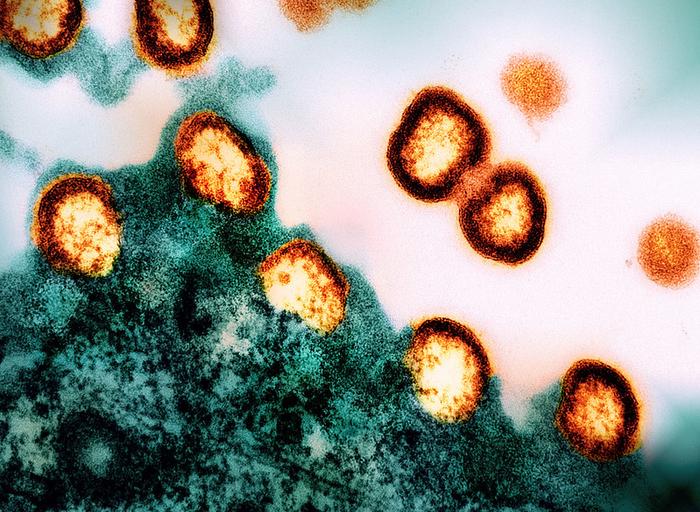
Credit: NIAID
The injectable antiretroviral drug lenacapavir was safe and 100% effective as long-acting HIV pre-exposure prophylaxis (PrEP) among cisgender women in a Phase 3 clinical trial, according to top-line findings released by Gilead Sciences, Inc., the study sponsor. Lenacapavir is administered every six months, making it the most durable HIV prevention method to have shown efficacy in this population. NIAID applauds the study sponsor, investigators, study staff, and—most importantly—the participants in South Africa and Uganda, for contributing to this scientific advance for cisgender women, a population for whom biomedical HIV prevention evidence has been limited to date. We look forward to the release of additional data from this pivotal study, as well as the outcomes of companion studies of lenacapavir in other populations, to inform regulatory decisions on this novel PrEP method.
The Phase 3 findings build on decades of discovery and translational research and collaboration between public and private sector to steer promising concepts from the laboratory to the clinic. The National Institutes of Health’s National Institute of Allergy and Infectious Diseases (NIAID) and its grantees have collaborated with Gilead scientists to provide instrumental evidence on the structure of HIV, contributing to the development of lenacapavir. NIAID-funded scientists continue to study the activity of lenacapavir in the body, characterize resistance to lenacapavir’s drug class, and work to develop a method for analyzing lenacapavir drug levels, among other efforts. This research will inform future drug development and clinical research. In addition, the NIH-funded HIV Prevention Trials Network is implementing two Gilead-sponsored studies in the United States of lenacapavir in cisgender women and people who inject drugs. NIAID is coordinating with Gilead and other partners to consider the implications, if any, of the Phase 3 findings for ongoing studies in similar populations.
Long-acting PrEP formulations are an important option for people who experience barriers to daily pill-taking, and a twice-annual injection could dramatically improve the feasibility of PrEP for many people who stand to benefit from its use. Long-acting cabotegravir, administered once every two months, already is used in the United States and is increasingly available in low- and middle-income countries. The controlled-release monthly dapivirine vaginal ring is approved for HIV PrEP in cisgender women in several African countries. Equitable access is essential for realizing the benefits of long-acting PrEP, particularly in geographic areas and among populations experiencing steady or increasing HIV incidence. We continue to learn more about all forms of PrEP and new information helps public health agencies and services reach the people who stand to benefit most from PrEP with safe and effective options that best meet their needs.
For more information about these studies, please visit ClinicalTrials.gov using the identifiers NCT04994509, NCT06101329 and NCT06101342.
Media inquiries can be directed to the NIAID Office of Communications at 301-402-1663, niaidnews@niaid.nih.gov.
NIAID conducts and supports research—at NIH, throughout the United States, and worldwide—to study the causes of infectious and immune-mediated diseases, and to develop better means of preventing, diagnosing and treating these illnesses. News releases, fact sheets and other NIAID-related materials are available on the NIAID website.
About the National Institutes of Health (NIH): NIH, the nation’s medical research agency, includes 27 Institutes and Centers and is a component of the U.S. Department of Health and Human Services. NIH is the primary federal agency conducting and supporting basic, clinical, and translational medical research, and is investigating the causes, treatments, and cures for both common and rare diseases. For more information about NIH and its programs, visit www.nih.gov.
NIH…Turning Discovery Into Health®

