

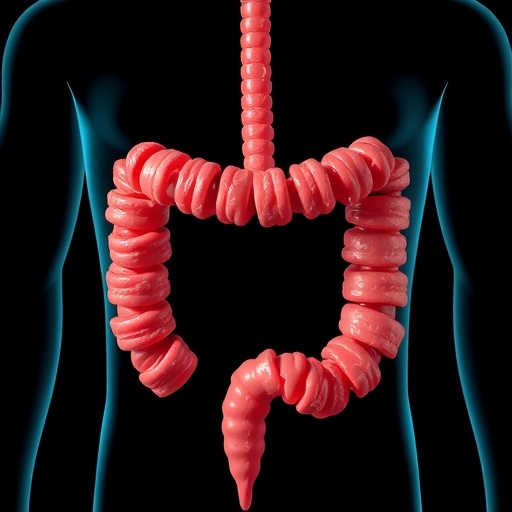
In a recent comprehensive survey conducted by the Physicians Committee for Responsible Medicine in collaboration with Morning Consult, a striking revelation emerged at the cusp of National Colorectal Cancer Awareness Month. The poll, encompassing responses from 2,202 adults across the United States, unveiled a concerning lack of public awareness regarding the carcinogenic potential of processed meats. Despite existing scientific consensus, nearly half of the American population remains unaware that consuming processed meat elevates the risk of developing colorectal cancer, a malignancy increasingly prevalent in younger demographics.
Colorectal cancer, once primarily diagnosed in older adults, has now alarmingly become the leading cause of cancer-related deaths among individuals under 50. This epidemiological shift underscores the urgent need for enhanced public education on modifiable risk factors, notably dietary habits. The survey’s results also indicated strong public support, with approximately two-thirds of respondents endorsing the introduction of explicit warning labels on processed meat products, signaling a societal readiness to integrate cancer risk information into consumer decision-making frameworks.
Expert commentary from Dr. Joseph Barrocas, an internal medicine specialist, highlighted the dissonance between the rising incidence of colorectal cancer and the public’s insufficient knowledge about diet-related risk factors. Dr. Barrocas emphasized that this knowledge gap presents a missed opportunity for preventive healthcare interventions. The fact that only one-third of adults reported receiving information about the processed meat-cancer link from healthcare professionals further accentuates the necessity for clinicians to engage in proactive dietary counseling alongside standard colorectal cancer screening protocols.
The mechanistic underpinnings of processed meat’s carcinogenicity involve multiple biochemical and molecular pathways. Processed meats often contain nitrites and nitrates, which can convert to N-nitroso compounds—potent carcinogens—in the gastrointestinal tract. Furthermore, the cooking of such meats at high temperatures produces heterocyclic amines and polycyclic aromatic hydrocarbons, compounds implicated in DNA damage and tumor initiation. These chemical exposures synergize with genetic susceptibilities and chronic inflammatory processes to potentiate carcinogenesis in the colorectal epithelium.
Conversely, adherence to plant-based diets has demonstrated substantial protective effects against colorectal cancer. Epidemiological data reveal that individuals who predominantly consume fruits, vegetables, whole grains, and legumes experience a 22% reduction in cancer risk relative to omnivorous counterparts. This protective efficacy likely stems from the high concentration of phytochemicals inherent in plant foods, which exert antioxidant, anti-inflammatory, and antineoplastic effects. Additionally, dietary fiber present in these plant sources enhances intestinal motility, reduces mucosal exposure to carcinogens, and fosters a beneficial gut microbiota profile, all contributing to colorectal cancer mitigation.
Beyond diet, lifestyle factors such as maintaining a healthy body weight, abstaining from excessive alcohol consumption, and engaging in regular physical activity notably diminish colorectal cancer risk. Adiposity-induced systemic inflammation, ethanol metabolism to acetaldehyde, and sedentary behavior are recognized contributors to colorectal carcinogenesis, further highlighting the multifactorial nature of cancer prevention strategies. Integrated lifestyle modifications, therefore, represent a cornerstone in reducing disease incidence.
Fiber intake, in particular, has received robust validation as a preventive agent against colorectal neoplasia. Research indicates that high fiber consumption, approximately 10 grams increments daily, correlates with up to a 10% decrement in cancer risk. Fiber’s benefits extend to a marked reduction in the formation of colon polyps – benign lesions that can evolve into malignant tumors if left unmonitored. These findings advocate for dietary guidelines that prioritize substantial fiber inclusion to preserve intestinal health and reduce oncogenic potential.
In response to these insights, initiatives such as the Physicians Committee’s Food for Life program seek to empower individuals through education on plant-based nutrition and culinary skills designed to combat cancer. These programs, delivered via online platforms and community-based classes nationwide, aim to translate scientific knowledge into actionable lifestyle changes. By demystifying the complex relationship between diet and cancer, such interventions aspire to bridge the gap between awareness and behavior.
The implications of the survey’s findings extend beyond public health education to policy considerations. Implementing warning labels on processed meat products could serve as a cost-effective, wide-reaching method to inform consumers of cancer risks, potentially influencing purchasing behaviors and reducing incidence rates. Nonetheless, the success of such measures hinges on multidisciplinary collaboration among regulatory agencies, healthcare providers, industry stakeholders, and advocacy groups.
Ultimately, colorectal cancer prevention requires a multipronged approach integrating dietary modification, increased physical activity, weight management, and proactive healthcare engagement. As research continues to elucidate the molecular intricacies linking lifestyle factors to cancer genesis, translating these findings into public health action remains imperative. The survey underscores a critical opportunity to augment awareness, particularly through healthcare professionals, who occupy pivotal roles in preventive counseling.
The transition toward a cancer-conscious society necessitates dismantling knowledge barriers and fostering environments conducive to healthy choices. With colorectal cancer presenting a significant burden, especially among younger populations, efforts to disseminate evidence-based dietary recommendations and promote plant-based eating patterns are of paramount importance. Enabling informed decision-making and supporting sustainable lifestyle changes hold promise in curbing the trajectory of this disease.
In conclusion, this large-scale survey highlights a pressing need to intensify education on the colorectal cancer risks posed by processed meat intake. It also reveals widespread public receptiveness to enhanced labeling and nutrition guidance. Bridging this knowledge gap through strategic communication, clinical practice changes, and public policy will be essential in reversing colorectal cancer trends and empowering individuals to take preventive action grounded in scientific evidence.
Subject of Research: People
Article Title: New Survey Reveals Widespread Unawareness of Processed Meat’s Colorectal Cancer Risk, Calls for Enhanced Labeling and Plant-Based Interventions
News Publication Date: February 2026
Web References:
- https://pcrm.widen.net/s/vpq8fcgxff/pcrm-processed-meat-colorectal-cancer-poll-2.17.26
- https://www.iarc.who.int/wp-content/uploads/2018/07/pr240_E.pdf
- https://jamanetwork.com/journals/jama/article-abstract/2844189
- https://jamanetwork.com/journals/jamainternalmedicine/fullarticle/2174939
- https://pubmed.ncbi.nlm.nih.gov/17449892/
- https://pmc.ncbi.nlm.nih.gov/articles/PMC4509170/
- https://pubmed.ncbi.nlm.nih.gov/17372247/
- https://www.ncbi.nlm.nih.gov/pubmed/22761771
- https://www.pcrm.org/news/health-nutrition/fiber-can-reduce-colorectal-cancer-risk
- https://pmc.ncbi.nlm.nih.gov/articles/PMC3213242/
References: Provided within web references above
Keywords: colorectal cancer, processed meat, plant-based diet, cancer risk, dietary fiber, public health, cancer prevention, nutrition, lifestyle factors, epidemiology, health education


