

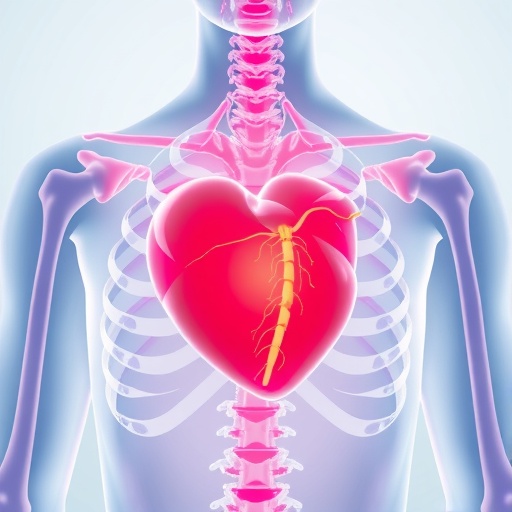
As women navigate the years following menopause, the specter of bone fractures looms large, posing a significant threat to their overall health and quality of life. The decline in estrogen levels during this period is well-established as a primary contributor to osteoporosis, a condition characterized by weakened bones that are highly susceptible to fractures even from minor falls or impacts. In reality, an alarming one in three women over the age of 50 will endure such fractures during their lifetime, underscoring the urgency for better predictive tools and preventive measures.
Recent groundbreaking research from Tulane University sheds new light on the complex relationship between cardiovascular health and bone fracture risk in postmenopausal women. This expansive study used the American Heart Association’s innovative PREVENT score, a tool designed to estimate a patient’s 10-year cardiovascular disease risk, revealing for the first time that heightened cardiovascular risk correlates strongly with an increased likelihood of sustaining major fractures. This connection appears especially prominent among women under 65, challenging previously held assumptions about fracture risk factors being predominantly age-related and suggesting a deeper systemic interplay between heart health and skeletal integrity.
The research team conducted a meticulous prospective analysis drawing data from over 21,000 participants in the Women’s Health Initiative, one of the most comprehensive long-term women’s health studies globally. Stratifying the women into four categories—low, borderline, intermediate, and high cardiovascular risk—based on their PREVENT scores, the study unveiled stark differences in fracture incidence. Particularly notable was the nearly doubling of hip fracture risk among women classified as high cardiovascular risk compared to those at low risk, a finding that reverberates across clinical fields demanding updated screening protocols and interdisciplinary treatment strategies.
Hip fractures serve as a critical metric in this analysis, given their association with severe morbidity and mortality among aging populations. Postmenopausal women with high cardiovascular risk not only exhibited a 93% increase in hip fracture incidence but also experienced such fractures significantly earlier than their low-risk counterparts. The median time to hip fracture occurrence was five years sooner in the high-risk group, highlighting the aggressive nature of combined cardiovascular and bone degeneration. Fractures in other major bone sites—spine, forearm, and shoulder—similarly rose in frequency with increasing cardiovascular risk, indicating systemic musculoskeletal vulnerability.
Delving into the underlying mechanisms, the study points to several overlapping biological pathways that may explain this dual risk profile. Chronic systemic inflammation, a hallmark of cardiovascular disease, is known to accelerate bone resorption and decrease bone formation. Concurrently, oxidative stress impairs both vascular function and osteoblast activity, essential for bone health maintenance. Another contributing factor includes perturbations in calcium metabolism and hormonal imbalances, particularly the precipitous drop in estrogen after menopause, which simultaneously exacerbate cardiovascular pathologies and undermine bone density.
Furthermore, vascular changes such as atherosclerosis reduce the blood supply to bone tissue, compromising nutrient delivery and waste removal critical for bone remodeling and repair. This vascular-bone axis underscores a physiological synergy where cardiovascular disease does not merely coexist with osteoporosis but actively drives skeletal deterioration. The compounded impact of hormonal shifts with systemic vascular disease creates a perilous environment, intensifying vulnerability to debilitating fractures.
From a clinical standpoint, the incorporation of cardiovascular risk assessment tools like the PREVENT score into routine evaluations of postmenopausal women opens new vistas for early intervention. Women flagged with intermediate or high cardiovascular risk might benefit from expedited bone density screenings or referrals to bone health specialists, enabling the deployment of pharmacological and lifestyle interventions tailored to reduce fracture risk. Current osteoporosis management rarely considers cardiovascular parameters, but this paradigm may soon evolve in light of these compelling findings.
Additionally, the study advocates for a holistic approach to women’s health post-menopause, emphasizing lifestyle modifications that concurrently safeguard heart and bone health. Regular physical activity, balanced diets enriched with calcium and vitamin D, smoking cessation, and optimal management of comorbid conditions such as diabetes and hypertension emerge as essential strategies. These interventions are supported by a growing body of evidence linking cardiovascular wellness with skeletal integrity, suggesting that integrative preventive measures could significantly reduce the morbidity burden on aging female populations.
Despite the promising insights, the researchers caution that further studies are necessary to refine the predictive validity of cardiovascular risk scores for fracture risk before universal clinical adoption. The pathophysiological interactions between heart disease and bone resorption remain complex and multifactorial, necessitating ongoing exploration into biomarkers, genetic predispositions, and environmental influences. Nonetheless, the current study sets a critical precedent for multidisciplinary research and patient care innovations.
Lead author Rafeka Hossain of Tulane University’s School of Medicine remarks on the surprising strength of these associations, particularly concerning hip fractures, underscoring the urgency for clinicians to integrate cardiovascular risk awareness into musculoskeletal health assessments. With cardiovascular disease and osteoporosis being two of the most prevalent and economically burdensome conditions affecting older adults, their intersection represents a vital frontier in preventative medicine.
In summary, the Tulane University study pioneers a crucial paradigm shift by elucidating how cardiovascular risk metrics offer predictive value for fracture susceptibility in postmenopausal women. This dual-disease nexus calls for synergistic prevention and treatment strategies that address both vascular and skeletal health concurrently. The evidence compels healthcare providers to rethink traditional silos in disease management, advocating for comprehensive patient evaluations that acknowledge the interconnectedness of heart and bone health.
The implications extend beyond individual patient care to public health policies aimed at aging populations worldwide. By recognizing and addressing the intertwined risk factors for cardiovascular disease and osteoporosis, medical research and clinical practice can forge more effective pathways to enhance longevity and life quality for millions of women navigating the postmenopausal years.
Subject of Research: The relationship between 10-year cardiovascular risk and incidence of bone fractures in postmenopausal women.
Article Title: The Association between 10-Year Cardiovascular Risk and Fracture Incidence in Postmenopausal Women: A Prospective Analysis from the Women’s Health Initiative
News Publication Date: 27-Mar-2026
Web References: 10.1016/j.lana.2026.101440
Keywords: Postmenopausal women, cardiovascular risk, bone fractures, osteoporosis, PREVENT score, hip fracture, women’s health, estrogen decline, cardiovascular disease, bone density, fracture risk, Women’s Health Initiative


