

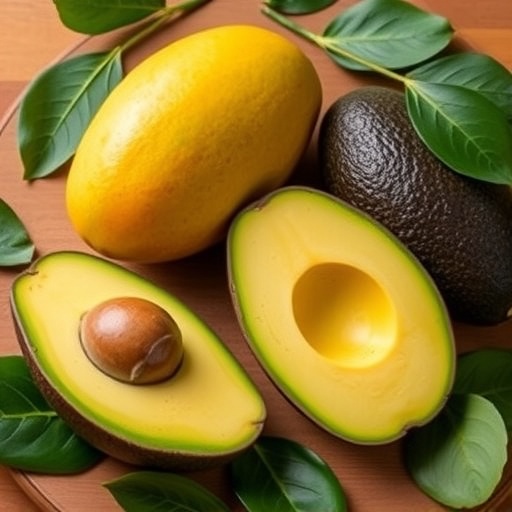
A groundbreaking study emerging from the Illinois Institute of Technology has unveiled promising evidence supporting the cardiovascular benefits of incorporating a daily combination of avocado and mango into the diets of adults with prediabetes. Published in the esteemed Journal of the American Heart Association, this rigorous investigation delves into how these nutrient-rich fruits affect vascular health, highlighting significant improvements in blood vessel function and diastolic blood pressure — two critical biomarkers associated with heart wellness.
Prediabetes, a condition affecting nearly one-third of the American population, represents an insidious precursor to type 2 diabetes and is associated with heightened risks for cardiovascular disease. In recognition of this public health challenge, the study sought to explore a dietary intervention that circumvents drastic lifestyle changes, focusing instead on integrating specific nutrient-dense whole foods. By assigning 82 generally healthy adults, aged 25 to 60 with prediabetes and elevated body mass index, to consume one medium Hass avocado and one cup of fresh mango daily for eight weeks, researchers compared their outcomes to a control group matched for caloric intake but substituting these fruits with comparable carbohydrate sources.
Central to the study’s primary outcome was the measurement of flow-mediated dilation (FMD), a sophisticated, noninvasive technique used to assess endothelial function — the capacity of blood vessels to dilate in response to increased blood flow. Endothelial dysfunction is a known harbinger of atherosclerosis and cardiovascular morbidity, making FMD a pivotal surrogate marker. Participants on the avocado-mango regimen exhibited a marked enhancement in FMD, advancing to 6.7% dilation, while those in the control group suffered a decline to 4.6%. This differential suggests a restoration of vascular responsiveness, which may translate to improved long-term cardiovascular health.
Complementing the vascular findings were notable changes in diastolic blood pressure, particularly among male participants. Whereas the control group experienced an average increase of 5 mmHg in central diastolic pressure — a clinically concerning trend — the avocado and mango group demonstrated a reduction of approximately 1.9 mmHg. Given that diastolic pressure reflects the resistance in arterial walls during heart relaxation, such improvements may mitigate risks for hypertension-induced organ damage. Importantly, these blood pressure benefits occurred independently of changes in body weight or total caloric consumption, underscoring the intrinsic cardioprotective properties of these fruits.
The nutritional profiles of avocado and mango provide a plausible explanation for these cardiovascular effects. Mangoes are prized for their substantial vitamin C content, delivering 50% of the recommended daily value per serving, alongside dietary fiber. Vitamin C functions as an antioxidant, curbing oxidative stress and inflammation implicated in endothelial impairment. Meanwhile, avocados contribute an abundance of monounsaturated fats, particularly oleic acid, known to favorably modulate lipid profiles and bolster endothelial health. They also supply potassium, a crucial mineral for vascular tone and blood pressure regulation, further enhancing cardiovascular resilience.
Moreover, individuals adhering to the avocado-mango diet demonstrated increased intake of dietary fiber and vitamin C collectively, nutrients linked to reducing cardiovascular risk through mechanisms such as improved lipid metabolism and glycemic control. The study also observed modest enhancements in kidney function markers, such as estimated glomerular filtration rate (eGFR), an encouraging indicator that these dietary changes may confer renal as well as cardiac benefits.
Despite the absence of significant alterations in lipid profiles, glucose homeostasis, or systemic inflammation markers, these findings are compelling because they highlight how even subtle, achievable shifts in diet composition can influence vascular health metrics. This aligns with contemporary perspectives advocating for food-first nutritional strategies emphasizing whole, nutrient-dense foods rather than isolated nutrient supplementation or drastic diet overhauls.
From a methodological standpoint, the study’s controlled feeding design and parallel group structure lend robustness to its conclusions. All participants consumed standardized meals covering 75% of their daily calorie requirements, with the only variation being the inclusion or exclusion of avocado and mango, ensuring that observed effects are attributable to these fruits’ nutrient profiles rather than confounding dietary variables.
However, limitations include the relatively short eight-week intervention and a participant cohort limited to adults with prediabetes and increased BMI, possibly constraining the generalizability of the results to other populations. Longitudinal studies with more diverse cohorts and extended durations will be necessary to confirm the durability and broader applicability of these benefits.
In practical terms, integrating fresh mango and avocado into daily meals offers a palatable and flexible approach for individuals seeking to improve cardiovascular outcomes. Recipes incorporating these fruits into salads, smoothies, or grain bowls provide convenient avenues for adoption. This research invites consideration of dietary guidelines that prioritize nutrient synergy and food quality as vehicles for disease prevention and health promotion.
Overall, the study provides a scientifically grounded rationale for encouraging consumption of avocados and mangos as part of a balanced diet, particularly for those at elevated risk of cardiovascular disease due to prediabetes. It reinforces a paradigm shift towards accessible, sustainable dietary strategies that harness nature’s nutrient-dense offerings to bolster vascular function and maintain heart health.
Subject of Research: Cardiovascular health effects of daily avocado and mango consumption in adults with prediabetes
Article Title: New Research Finds Heart Health Benefits in Combining Mango and Avocado Daily
News Publication Date: February 24, 2026
Web References:
– Journal Article DOI: http://dx.doi.org/10.1161/JAHA.124.040933
– Mango Recipes: https://www.mango.org/recipes/mango-avocado-tuna-ceviche/
– Avocado Recipes: https://loveonetoday.com/recipe/avocado-and-mango-topper/
– Mango Nutrition: https://www.mango.org/
– Avocado Nutrition: https://www.loveonetoday.com/
References: Journal of the American Heart Association, 10.1161/JAHA.124.040933
Image Credits: National Mango Board and Hass Avocado Board
Keywords: cardiovascular health, prediabetes, avocado, mango, endothelial function, flow-mediated dilation, blood pressure, monounsaturated fat, vitamin C, dietary fiber, metabolic health, vascular function


