

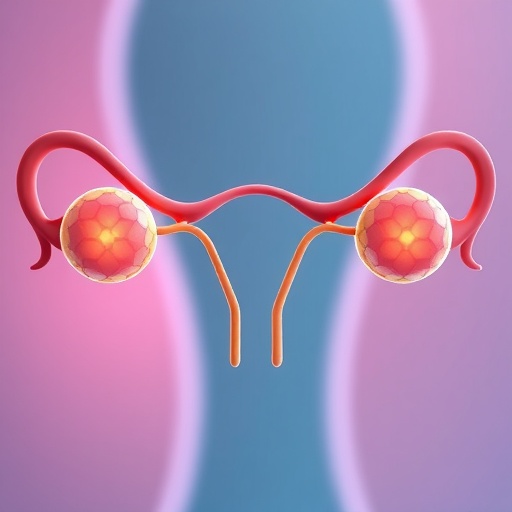
Recent scientific endeavors have illuminated significant advancements in the field of reproductive health, particularly focusing on the establishment and analysis of animal models related to premature ovarian failure (POF). In their recently published work, Wang, Gao, and Li delve into the methodologies that pave the way for a deeper understanding of this complex condition. Premature ovarian failure, characterized by the loss of ovarian function before the age of 40, affects a substantial number of women globally, often resulting in infertility and a subsequent need for sophisticated therapeutic strategies.
The landscape of POF research has evolved dramatically over the past few years, with researchers striving to create reliable animal models that mimic the human condition as closely as possible. These animal models are crucial not only for studying the underlying biological mechanisms of POF but also for testing potential treatments and therapies. The capacity to induce POF in laboratory settings allows scientists to observe physiological changes and evaluate the efficacy of novel interventions in a controlled environment.
Various approaches have been developed to establish these animal models, each with its unique set of advantages and limitations. The utilization of genetic models, where specific genes are manipulated to induce ovarian failure, stands out as a particularly promising avenue. This method allows for targeted studies into the roles of specific genetic pathways and their implications in ovarian function. Moreover, advancements in CRISPR technology have empowered researchers to make precise genetic modifications, providing unprecedented opportunities for insight into the etiology of POF.
In addition to genetic manipulation, researchers have explored the application of hormonal and chemical agents to induce POF in animal subjects. Administering specific hormones or chemotherapeutic drugs can mimic the pathological conditions that lead to premature ovarian failure in humans. This method enables researchers to analyze the physiological and biochemical changes that occur in response to these interventions, thereby facilitating a better understanding of the disease processes involved.
A significant component of these studies involves examining the age-related decline in ovarian function. As indicated by recent findings, the interplay between age and ovarian reserve is complex and multifaceted. In their paper, the authors emphasize the importance of considering age as a variable in animal models, which can significantly influence the outcomes of experiments related to POF. By utilizing age-matched controls, researchers can draw more accurate and reliable conclusions about the effects of various interventions on ovarian function.
In addition to hormonal and genetic alterations, environmental factors have also been considered in the pursuit of effective POF models. Various studies highlight the impact of exposure to environmental toxins, such as pesticides and endocrine disruptors, on ovarian health. By creating animal models that reflect these exposures, researchers can assess the long-term effects of environmental agents on ovarian function. These explorations can ultimately inform public health initiatives and guide policies aimed at reducing exposure to harmful substances.
Another crucial aspect of establishing effective POF animal models is the evaluation of reproductive outcomes. Beyond merely inducing ovarian failure, it is essential to investigate the subsequent effects on fertility, gamete quality, and overall reproductive health. By incorporating thorough reproductive assessments, researchers can better understand the implications of POF and craft effective interventions aimed at restoring fertility in affected individuals.
Furthermore, ethical considerations must be at the forefront of animal model development. The ramifications of using animals in research, particularly in studies concerning reproductive health, are profound. The scientific community must adhere to strict ethical guidelines ensuring humane treatment and minimizing suffering. By designing experiments that maximize scientific return while upholding ethical standards, researchers can maintain integrity in their work and bolster public trust in scientific endeavors.
The insights garnered from these animal models are pivotal for advancing our grasp of premature ovarian failure. The research by Wang and colleagues provides a strong foundation for future studies, outlining not only the current methodologies employed but also highlighting gaps in knowledge and potential areas for further exploration. As these models continue to evolve, they may unlock new avenues for therapeutic development, offering hope to countless individuals grappling with the consequences of ovarian insufficiency.
Collaboration across scientific disciplines presents an exciting frontier for POF research. By merging expertise from genetics, endocrinology, and environmental health, researchers can adopt a multifactorial approach to understanding this condition. Such interdisciplinary strategies may yield a comprehensive understanding of the disease, paving the way for innovative solutions and enhanced patient care.
In conclusion, the advancements in establishing animal models for premature ovarian failure represent a significant stride in reproductive health research. As researchers build upon the methodologies outlined by Wang, Gao, and Li, the potential for groundbreaking discoveries looms large. This ongoing research not only enhances our understanding of ovarian biology but also endeavors to improve the quality of life for those impacted by POF, thereby underscoring the importance of continued investment in this critical area of study.
The quest for understanding and effectively treating premature ovarian failure exemplifies the interplay of innovation and empathy within the scientific community. As we venture into uncharted territory with advanced methodologies and ethical considerations, a renewed hope emerges for those facing the challenges posed by this condition. Future research endeavors inspired by these foundational studies will undoubtedly contribute to a more nuanced and compassionate approach to reproductive health.
Subject of Research: Premature Ovarian Failure
Article Title: Recent advances in methods for establishing animal models of premature ovarian failure
Article References: Wang, X., Gao, X., Li, S. et al. Recent advances in methods for establishing animal models of premature ovarian failure. J Ovarian Res (2025). https://doi.org/10.1186/s13048-025-01931-9
Image Credits: AI Generated
DOI:
Keywords: Premature Ovarian Failure, Animal Models, Reproductive Health, Genetic Modification, Hormonal Agents, Environmental Factors, Ethical Research, Interdisciplinary Collaboration.


