

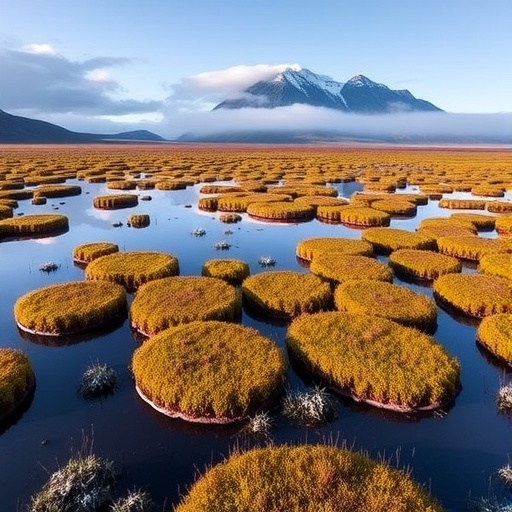
Recent research has revealed a significant change occurring in the Arctic landscape: the expansion of peatlands. Peatlands, which are vital ecosystems found in waterlogged areas, are critical for carbon storage and biodiversity. The Arctic, experiencing an alarming rate of warming—approximately 4°C over the last four decades—is seeing these areas bloom as temperatures rise. This presents both an opportunity for increased carbon sequestration and a potential risk of future carbon release if the warming continues unchecked.
The study, spearheaded by researchers from the University of Exeter, involves an extensive assessment of peatland dynamics across the Arctic. It draws upon 91 samples gathered from 12 diverse sites within the European and Canadian Arctic, offering a broad perspective on the changes occurring within these environments. The researchers have determined that since 1950, peatlands have not only expanded but have done so at an impressive rate, with some edges advancing by more than a meter annually. This impressive growth pattern corroborates the hypothesis that peatland expansion may be occurring throughout the entirety of the Arctic region.
Dr. Josie Handley, the lead author of the study now based at the University of Cambridge, emphasized the ecological implications of these findings. The increasing plant growth in the Arctic, driven by climate change, plays a pivotal role in peat formation. The research involved analyzing peat cores, which provided crucial data on how quickly these ecosystems have expanded and the variation in rates of growth across different regions. The results demonstrate that contemporary peatlands now occupy a larger area than they have in the last 200 to 300 years, possibly even exceeding historical extents, showcasing a substantial change in carbon storage dynamics.
The link between rising temperatures and peatland expansion is particularly significant. During the post-industrial climate warming period, the rate of expansion at all study sites increased markedly. Such insights suggest that the ongoing warming trends are a fundamental driver behind this transformation, reinforcing the necessity for ongoing climate monitoring and mitigation measures. The interplay between global temperature increases and peatland dynamics adds complexity to our understanding of carbon cycles in the Arctic environment.
Peatlands are unique in their ability to store vast amounts of carbon, a critical qualification given current global climate concerns. Although they cover only about 3% of the Earth’s surface, they hold approximately 600 billion tons of carbon—surpassing the carbon stored in all of the planet’s forest biomass combined. Therefore, understanding the expansion of these ecosystems is crucial, as they play a significant role in the global carbon budget. However, despite the documented edge shifts of peatlands, the study did not quantify the total area covered, indicating that further research is necessary to map the full extent of Arctic peatland growth accurately.
Professor Angela Gallego-Sala from the University of Exeter contributed to the study by noting that the expansion of peatlands would dramatically influence the fate of carbon in the Arctic and the wider atmosphere. On one hand, enhanced carbon storage due to the growth of these ecosystems may assist in slowing down climate change. Conversely, extreme future warming poses a risk; it could potentially lead to substantial peatland loss, resulting in the release of the carbon stored within them back into the atmosphere. This duality underscores the importance of safeguarding these fragile ecosystems in the context of climate change.
Dr. Katherine Crichton, another researcher from the University of Exeter, highlighted the urgency of the situation. As the Arctic garners interest from various industrial sectors, including shipping and mining, the protection of peatlands has become increasingly essential. The findings confirm the crucial role these ecosystems play, advocating for their value and the need for dedicated conservation efforts in light of ongoing anthropogenic pressures.
This research builds on previous studies using satellite data, enhancing our understanding of peatland dynamics through varied methodologies. The project, titled “Increased Accumulation in Arctic Peatlands” (ICAAP), is backed by the Natural Environment Research Council and involves an array of international collaborators from leading institutions, including Queen’s University Belfast and the University of Helsinki. Their collective findings not only elucidate the current state of these ecosystems but also highlight the collaborative spirit required to tackle the pressing climate issues that affect our planet.
The importance of peatlands goes beyond their geographical limits; their ecological function resonates globally, contributing to climate regulation and biodiversity. As they expand, they may serve as vital carbon sinks, pivotal in mitigating climate change. However, the potential for future warming to compromise their stability poses critical questions about our global approach to environmental management. Understanding and monitoring these changes in the Arctic is not just an academic endeavor but a necessity for future sustainability.
This study was published in the reputable journal, Global Change Biology, which signifies the growing interest in climatic and ecological shifts due to contemporary climate dynamics. The research paper titled “Pan-Arctic peatlands have expanded during recent warming,” aims to shed light on this transformation and its implications for both local and global ecosystems.
Subject of Research: Expansion of Arctic Peatlands
Article Title: Pan-Arctic peatlands have expanded during recent warming
News Publication Date: 13-Feb-2026
Web References: Global Change Biology DOI
References: N/A
Image Credits: N/A


