

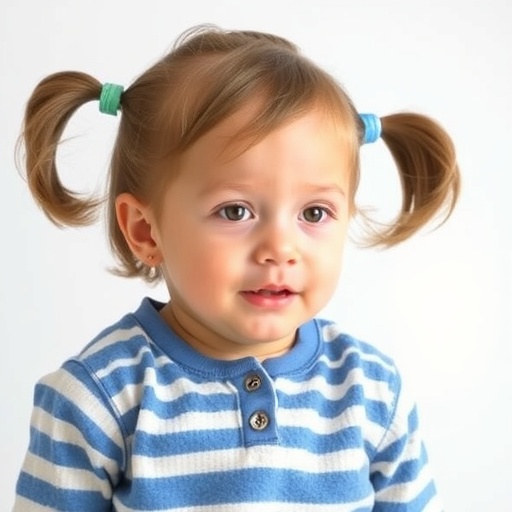
Recurrent wheezing remains a significant clinical challenge, particularly in infants and toddlers under five years of age. This respiratory condition, characterized by repeated episodes of airway narrowing and wheeze, often stems from a complex interplay of genetic, environmental, and immunological factors. Despite its prevalence and impact on pediatric health, standardized, evidence-based clinical guidelines have been conspicuously absent, leaving pediatricians without a uniform framework for accurate diagnosis, effective treatment, and long-term management. This knowledge void has hampered efforts to improve patient outcomes and quality of life.
Addressing this critical gap, the Committee of Pediatrics at the China Medical Education Association convened a consortium of leading experts specializing in pediatric respiratory medicine and allergology. Their collective expertise culminated in the development of the first comprehensive, evidence-based guidelines aimed at enhancing the clinical approach to recurrent wheezing in this vulnerable population. Published in Pediatric Investigation on March 5, 2026, the guidelines provide a meticulously crafted blueprint to facilitate standardized practices among clinicians, underscoring a systematic approach to diagnosis, treatment, and monitoring.
Central to the guidelines’ development was the establishment of clear, operational definitions that underpin the clinical considerations. Recurrent wheezing is defined as experiencing three or more distinct wheezing episodes, each separated by a symptom-free interval lasting at least seven days. The target patient group—infants and toddlers—is precisely categorized as individuals aged from 29 days to three years. This rigorous classification aids in focusing clinical attention on a crucial developmental window where respiratory illnesses can have profound consequences.
To further delineate the heterogeneity of recurrent wheezing, the guidelines propose classifications based on symptom patterns, immunological profiles, age onset, and severity. Episodic viral wheezing versus multiple trigger wheezing distinguishes patients based on symptomatology, while allergic versus non-allergic wheezing reflects underlying immune mechanisms. Additionally, age at symptom onset categorizes patients into transient early wheezing, early-onset persistent wheezing, and late-onset wheezing, each with distinctive clinical trajectories. Severity grading into mild and severe wheezing facilitates tailoring therapeutic approaches appropriate to clinical presentation.
The diagnostic protocol detailed in the guidelines emphasizes meticulous clinical history and thorough physical examinations as cornerstones of initial patient evaluation. Complementing these foundational steps, the guidelines advocate for a suite of advanced diagnostic tools, including eosinophil counts and allergen sensitization assays, to clarify inflammatory mechanisms. Pulmonary function tests and fractional exhaled nitric oxide (FeNO) analysis provide quantitative metrics to gauge airway inflammation and reactivity, enhancing diagnostic precision. Chest imaging serves as an adjunctive tool, particularly when structural anomalies or complications are suspected.
Given the significant role of respiratory pathogens in precipitating recurrent wheezing episodes, the guidelines place strong emphasis on appropriate infectious workups. Routine testing for key viral pathogens such as respiratory syncytial virus (RSV), rhinovirus, and human metapneumovirus is advocated, recognizing their prominent etiological contributions. Recognizing bacterial superinfections, the guidelines also recommend targeted testing for Streptococcus pneumoniae and Haemophilus influenzae, expanding the scope of pathogen identification. Ancillary diagnostic modalities, including esophageal pH monitoring, bronchoscopy, swallow assessments, and genetic testing, are reserved for cases with atypical presentations or poor response to standard interventions.
In addressing management strategies, the expert panel underscores a dynamic, iterative approach encapsulated in the principle “Evaluation-Diagnosis-Treatment-Re-evaluation-Re-diagnosis.” This cyclical process ensures continuous assessment and adaptation of therapy based on patient response and evolving clinical status. Pharmacologic interventions focus on symptom control and inflammation attenuation, though recommendations regarding prophylactic use of immunomodulators, vitamin D, probiotics, leukotriene receptor antagonists (LTRAs), and antihistamines remain cautious due to limited evidence supporting efficacy in this population.
Understanding the multifactorial nature of recurrent wheezing, the guidelines advocate comprehensive evaluations encompassing type 2 inflammatory biomarkers, environmental risk assessments, nutritional status, and the formulation of long-term monitoring frameworks. Such an integrative approach aims to identify modifiable factors and tailor interventions to individual patient profiles. Predictive tools for asthma development and longitudinal pulmonary function evaluations are pivotal components, facilitating prognostication and early intervention to mitigate progression to chronic respiratory disease.
The clinical impact of these guidelines extends beyond national borders, offering a replicable model for global pediatric respiratory care. As Prof. Kunling Shen articulates, standardized evidence-based protocols are indispensable for uniform adoption of best practices, ultimately improving clinical outcomes and patient quality of life. Moreover, Prof. Yunxiao Shang emphasizes the guidelines’ potential to harmonize therapeutic approaches and preventive strategies in a domain hitherto marked by significant variability.
Implementation of such comprehensive guidelines represents a major stride toward reducing the burden of recurrent wheezing—a condition that often disrupts sleep, impairs growth, and imposes considerable psychosocial stress on families. By fostering early and accurate diagnosis coupled with tailored treatment plans, these protocols provide a pathway to alleviate disease burden and enhance resilience in susceptible pediatric populations.
The robust development process, grounded in systematic review and expert consensus, assures the guidelines’ scientific rigor and clinical relevance. This was a pivotal factor in their acceptance and anticipated wide dissemination within the pediatric community. Continued research and iterative guideline refinement will be essential to accommodate emerging evidence and evolving therapeutic modalities, ensuring enduring improvements in care.
Ultimately, this landmark guideline initiative embodies a critical advancement in pediatric respiratory medicine. It stands as a testament to the power of collaborative expertise and evidence synthesis in transforming clinical practice, offering renewed hope for millions of infants and toddlers affected by recurrent wheezing worldwide.
—
Subject of Research: Not applicable
Article Title: Evidence-based guideline for clinical practice in the diagnosis, treatment, management, and prevention of recurrent wheezing in infants and toddlers in China
News Publication Date: 5-Mar-2026
References: DOI: 10.1002/ped4.70046
Image Credits: Prof. Kunling Shen, Beijing Children‘s Hospital, Capital Medical University, China and Prof. Yunxiao Shang, Shengjing Hospital of China Medical University, China
Keywords: Recurrent wheezing, infants, toddlers, pediatric respiratory medicine, diagnosis, treatment, guidelines, airway inflammation, viral infections, immunology


