

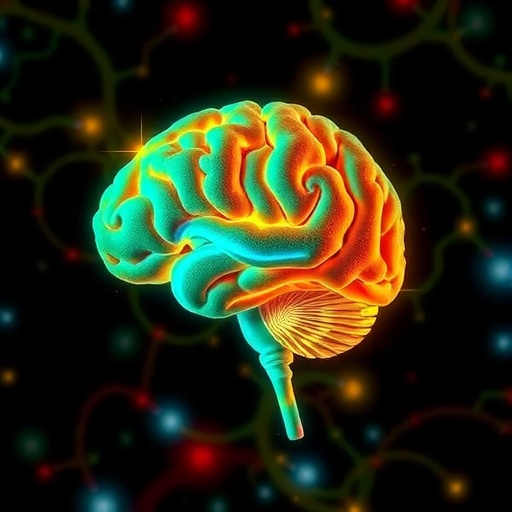
In a groundbreaking development within the realm of neurology, researchers are unveiling a novel mechanism involving astrocytes in the context of ischemic stroke. The study, spearheaded by a team of scientists, including Lan, Zhang, and Ren, proposes that astrocytic mitochondrial transfer could be a key to metabolic rescue in patients experiencing stroke. This innovative concept not only sheds light on the cellular dynamics of astrocytes but also hints at potential therapeutic avenues that could significantly enhance recovery in stroke-afflicted patients.
Ischemic stroke, a condition characterized by reduced blood flow to the brain, leads to devastating outcomes due to the resultant neuronal death and brain injury. Historically, the medical community has focused on restoring blood flow as the primary method for mitigating damage caused by strokes. However, this new research shifts the narrative, suggesting that enhancing the metabolic function of neurons through astrocyte-mediated mechanisms could be equally crucial for recovery.
Astrocytes, a type of glial cell found abundantly in the brain, have always been known for their structural support and homeostatic functions. In recent years, their role has expanded dramatically within scientific discourse. The connection between astrocytes and neuronal health is becoming increasingly evident, particularly in how these glial cells can influence synaptic function and even protect against neuronal injury during pathological states. This study highlights yet another layer of complexity to the relationship between astrocytes and neurons: the transfer of mitochondria.
Mitochondria, the powerhouse of the cell, are essential for energy production and cellular metabolism. In conditions like ischemic stroke, when neurons suffer from a lack of energy due to reduced blood flow, astrocytes may step in to fill the metabolic gap. By transferring their own mitochondria to distressed neurons, astrocytes might not only help restore the energy balance but also enhance neuronal survival. This revolutionary insight opens up new possibilities for therapeutic interventions that harness the regenerative potential of astrocytes.
The researchers utilized sophisticated imaging techniques and advanced cellular analyses to demonstrate the successful transfer of mitochondria from astrocytes to neurons under conditions mimicking ischemic stroke. The experiments revealed that astrocytes could effectively deliver mitochondria, thereby improving the metabolic status and survival rates of neurons subjected to ischemic conditions. The implications of these findings are vast, suggesting a shift in focus toward glial cells for therapeutic research in stroke management.
The potential applications of this work extend beyond just stroke recovery. As the understanding of astrocytic functions deepens, researchers are beginning to explore its implications for a broader range of neurodegenerative diseases. Conditions such as Alzheimer’s disease, Parkinson’s disease, and multiple sclerosis may greatly benefit from strategies aimed at enhancing astrocytic support. The ability to transfer mitochondria may emerge as a unifying therapeutic target in tackling these devastating disorders.
In addition to the biological insights, this research also prompts questions about the underlying mechanisms governing astrocytic mitochondrial transfer. The processes involved in the recognition, transfer, and assimilation of mitochondria are areas ripe for exploration. Understanding the signaling pathways and molecular players involved can refine approaches for maximizing the potential of astrocytic therapy.
This shift in perspective regarding astrocytes is not only scientifically exhilarating but also highlights an urgent need for a paradigm shift in how neuroprotective strategies are formulated. The current stroke therapies largely revolve around timely interventions to restore blood flow and reduce excitotoxic damage. However, with the validation of astrocytic mitochondrial transfer as a critical factor, there is a compelling case for developing adjunct therapies that could complement existing protocols with a focus on cell-based metabolic rescue.
Of course, as with any new scientific endeavor, the efficacy and safety of manipulating astrocytic functions require rigorous testing in clinical settings. There are still many hurdles to overcome before astrocytic mitochondrial transfer can be implemented as a standard therapeutic approach. Clinical trials will be essential to confirm the efficacy of such interventions and address potential complications arising from the manipulation of cellular interfaces.
Moreover, engaging with the broader scientific community will be critical in fostering collaborative efforts aimed at elucidating the multifaceted roles of astrocytes in health and disease. Interdisciplinary approaches that combine insights from molecular biology, neuroscience, and clinical medicine could accelerate the translation of these findings from the lab to the clinic.
The excitement surrounding astrocytic mitochondrial transfer as a therapeutic target cannot be overstated. As researchers continue to delve into the complexities of astrocyte-neuron interactions, the potential for breakthroughs in stroke therapy and neuroprotection expands. This pioneering work serves as an important reminder of the intricate web of cellular interactions that define brain health and recovery.
In conclusion, this innovative research represents a significant leap forward in the understanding of brain metabolism and stroke recovery. By bringing astrocytic mitochondrial transfer to the forefront of ischemic stroke management, scientists are setting the stage for a new era of precision therapy. With further investigation and refinement, these findings could have far-reaching implications not only for stroke patients but for individuals suffering from a variety of neurological conditions.
The momentum generated by this research underscores the vital importance of re-evaluating the roles of glial cells in brain health and disease. As the scientific landscape continues to evolve, it will be exciting to witness how these findings might lay the groundwork for novel treatment strategies, bringing hope to those affected by the ravaging effects of ischemic stroke and beyond.
Furthermore, the collaboration of researchers worldwide highlights the collective pursuit of knowledge aimed at securing better outcomes for patients. With each discovery, the journey toward understanding the human brain becomes a step closer to unlocking the complex mechanisms that govern our neurological health.
In summary, the exploration of astrocytic mitochondrial transfer not only enriches our scientific knowledge but ignites a hopeful vision for the future of therapeutic strategies in neurobiology. As this research unfolds, the possibilities for innovation in stroke recovery and neuroprotective therapies are becoming increasingly apparent.
Subject of Research: Astrocytic mitochondrial transfer in ischemic stroke
Article Title: Astrocytic mitochondrial transfer: a new horizon for metabolic rescue and precision therapy in ischemic stroke
Article References:
Lan, X., Zhang, C., Ren, Z. et al. Astrocytic mitochondrial transfer: a new horizon for metabolic rescue and precision therapy in ischemic stroke.
J Transl Med (2026). https://doi.org/10.1186/s12967-025-07290-9
Image Credits: AI Generated
DOI: 10.1186/s12967-025-07290-9
Keywords: Astrocytes, mitochondrial transfer, ischemic stroke, metabolic rescue, precision therapy, neuroprotection, cellular interactions.


