

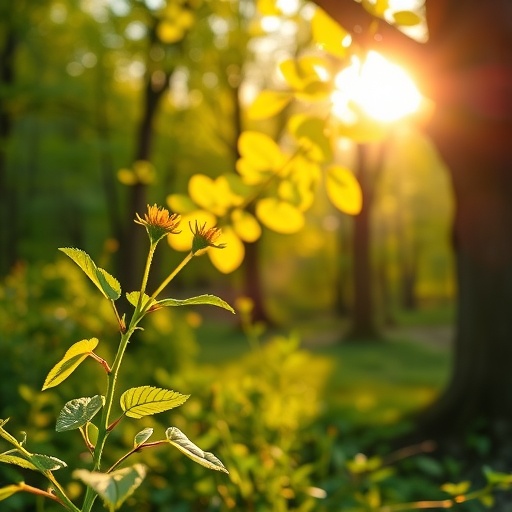
Connecting with Nature: The Missing Link Between a Satisfied Life and a Healthy Life
In a groundbreaking study published in Ambio, researchers have revealed profound insights into the intrinsic connection between nature and well-being. The paper, authored by Sollis, K., Rajeevan, U., van Eeden, L., et al., points to emerging evidence that spending time in natural environments significantly enhances life satisfaction and mental health. This study invites us to reconsider the modern lifestyle that often distances individuals from natural landscapes, fostering a pressing discussion on the urgency of reconnecting with nature.
Nature, it appears, is not merely a backdrop for human activities but a fundamental aspect of psychological and physical health. Various studies have previously established links between natural exposure and improved well-being, but the comprehensive examination offered in this article draws together a myriad of previous findings to paint a cohesive picture of nature as a crucial player in the quest for a satisfied life. This is particularly relevant in today’s urbanized world, where individuals are increasingly segregated from green spaces, potentially undermining their happiness and health.
The researchers employed a multidisciplinary approach, integrating psychology, sociology, and environmental science to assess the relationship between nature exposure and quality of life. By synthesizing data from multiple studies across varying demographics, they have underlined the universal nature of this connection. Their findings suggest that all individuals, regardless of age or socioeconomic status, can experience enhancements in emotional and physical health through nature contact.
Focusing on dimensions of life satisfaction, the researchers explore how experiences in nature lead to reduced stress levels and improved mental clarity. Observations indicate that even brief interactions with nature can elevate mood and increase feelings of happiness. For instance, just a walk in a park or time spent near a body of water could trigger a release of neurotransmitters such as serotonin, which is often referred to as the ‘feel-good hormone’. This biochemical response underlies the visceral sense of joy many associate with being outdoors.
Moreover, the study delves into the concept of biophilia—the innate human affinity for nature. This connection is not incidental; it is embedded in our evolutionary history. The authors suggest that during prehistoric times, human survival was closely linked with the ability to interact harmoniously with their natural environment. This relationship transformed over thousands of years, but fundamentally, our biological responses to nature remain deeply ingrained.
The implications of these findings stretch beyond the individual, impacting community health and encouraging societal shifts toward valuing and creating green spaces in urban areas. Not only does nature improve mental health on an individual level, but it also fosters social cohesion. Shared green spaces provide communal areas for interaction, thereby enhancing social ties, which can further contribute to positive mental health outcomes.
In addition to psychological benefits, the researchers emphasize physical health improvements associated with nature contact. Engaging in outdoor activities has been shown to promote physical fitness, reduce obesity rates, and decrease the risk of chronic diseases. The link between physical activity and its ability to occur in natural settings versus urban environments suggests that creating accessible outdoor spaces could be a game-changer for public health initiatives.
These insights prompt a reflective examination of modern societal structures that often prioritize concrete over greenery. As urban environments continue to expand, the integration of nature into city planning becomes not merely beneficial but necessary. The authors argue for policy interventions that prioritize environmental restoration and the development of parks and recreation areas that ensure equitable access to nature for all—essentially making health and happiness a communal right rather than a privilege.
Furthermore, the researchers posit that understanding the psychological mechanisms at play can play a pivotal role in developing interventions aimed at enhancing well-being. By encouraging people to immerse themselves in natural surroundings, policymakers and health practitioners can effectively boost public health outcomes. Nature therapy, for instance, shows promise as an avenue for therapeutic intervention, offering a non-invasive way to manage stress and anxiety.
A particularly intriguing aspect of the study highlights the role of biodiversity in enhancing mental health benefits. Exposure to a variety of species and ecological settings can significantly amplify the positive effects of nature contact. This emphasizes the need for preserving diverse ecosystems, not only for environmental purposes but also as a crucial aspect of ensuring human well-being.
In conclusion, the work of Sollis et al. contributes a powerful narrative to the ongoing discourse about health, happiness, and the importance of nature in our lives. As we navigate through the complexities of modern society, their research serves as a reminder that reconnecting with our natural heritage is not just a nostalgic idea but a potentially life-altering practice. Embracing nature could be one of the most significant steps towards leading healthier, more satisfied lives.
As we move forward, the challenge lies in translating these findings into actionable strategies that can be adopted at both individual and community levels, ensuring that future generations can enjoy the myriad benefits that nature offers. The evidence is striking; nature is indeed a vital ingredient in the pursuit of life satisfaction and health, and recognizing this could very well define the next era of public health and well-being advocacy.
Subject of Research: The connection between nature and well-being, focusing on how nature influences life satisfaction and health.
Article Title: Connecting with nature: The missing link between a satisfied life and a healthy life?
Article References: Sollis, K., Rajeevan, U., van Eeden, L. et al. Connecting with nature: The missing link between a satisfied life and a healthy life?. Ambio (2026). https://doi.org/10.1007/s13280-025-02325-3
Image Credits: AI Generated
DOI: 10.1007/s13280-025-02325-3
Keywords: Nature, well-being, life satisfaction, health, biophilia, environmental psychology, urban planning, community health, biodiversity, nature therapy.


