

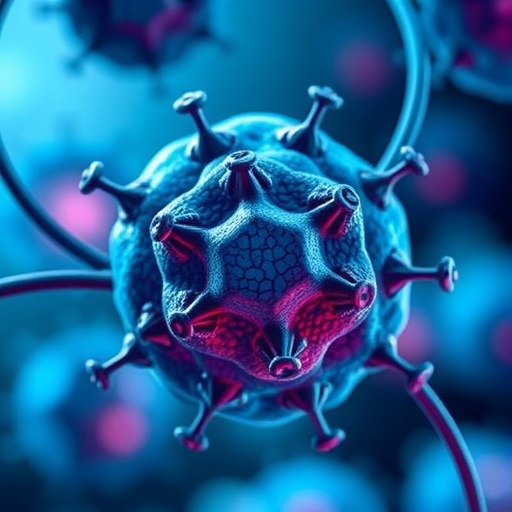
Recent advancements in nanomedicine have dramatically shifted the paradigm of cancer therapy, particularly in how we approach the tumor microenvironment (TME). The TME is a complex milieu of cancer cells, immune cells, stromal cells, extracellular matrix proteins, and signaling molecules that facilitate both tumor growth and metastasis. As research unfolds, a clearer understanding emerges regarding the need to redefine therapeutic strategies to actively modulate this microenvironment rather than just targeting the tumor cells directly. In this context, nano-based platforms present unique possibilities to enhance treatment efficacy and minimize adverse effects.
Nanomedicine leverages engineered nanoparticles that can deliver drugs, genes, or other therapeutic agents precisely to the cancer site, thereby reducing systemic toxicity. This specificity is vital in managing tumor types that exhibit heterogeneous characteristics, which often leads to variable responses to standard therapies. One of the pivotal innovations in this arena involves the use of nanoparticles as carriers to transport immunotherapeutics, allowing for localized immune activation.
Moreover, recent studies underscore the profound role that the TME plays in mediating drug resistance. Tumors can create a protective shield, thanks to the various cells and factors in the TME, which can lead to a phenomenon called the ‘immune evasion’. Targeting these elements utilizing nanomedicine could enhance the effectiveness of existing therapeutic approaches. Researchers are trialing various nanocarriers designed to disrupt these immune-suppressive factors, thereby restoring immune function in a tumor-specific manner.
A significant challenge within the TME is its dynamic and adaptive nature. Tumors are not static but evolve in response to therapeutic pressures, such as chemotherapy and immunotherapy. This evolution often leads to a secondary set of resistance mechanisms. Here, the ability of nanoparticles to act as responsive agents becomes crucial. For example, smart nanoparticles can be designed to release their therapeutic cargo in response to specific stimuli from the TME, such as changes in pH or temperature, offering a tailored approach to drug delivery.
In addition to drug delivery, the role of nanomedicine in the diagnostic realm should not be overlooked. Nanoparticles can enhance imaging techniques, allowing for better visualization of tumors and the monitoring of treatment responses. Enhanced imaging not only aids in the accurate localization of tumors but also in understanding the TME’s composition, which can inform therapeutic decisions.
Furthermore, the integration of nanomedicine with emerging technologies like CRISPR and gene editing is on the rise. Tailoring genetic modifications to specific tumor microenvironments holds promise for counteracting the challenges posed by tumor heterogeneity and resistance. In combining these cutting-edge techniques with nanocarrier systems, researchers aim to create multi-faceted approaches to oncology, capable of both modifying the TME and directly targeting tumor cells.
As we look toward clinical applications, the progress is promising yet challenging. Achieving the right biocompatibility and clearance rates for nanoparticles is paramount in ensuring patient safety. Regulatory frameworks are evolving to accommodate these novel therapies, but ensuring that these complex technologies are both effective and safe remains a high priority. Clinical trials are actively exploring various nanoparticle formulations, assessing their safety, pharmacokinetics, and ultimate therapeutic efficacy.
The transition from laboratory research to practical, clinical solutions remains a significant focus. Close collaboration between researchers, oncologists, and regulatory bodies is essential for translating these nanoparticle-based therapies into the clinic. By prioritizing inter-disciplinary dialogue, better-informed clinical decisions can emerge, ultimately benefiting patient outcomes.
Looking ahead, the role of artificial intelligence and data analytics cannot be underestimated. By harnessing big data, researchers can identify new biomarkers within the TME that may be targeted through nanomedicine. These approaches can lead to more personalized treatment strategies, tailored to the specific characteristics and behaviors of individual tumors.
In sum, the intersection of nanomedicine and tumor microenvironment modulation heralds a new era of cancer therapy. This shift towards a more nuanced approach promises to change the way we view and treat cancer, moving beyond traditional methodologies to a more integrated, technologically advanced paradigm. As research progresses, these innovative strategies will hopefully lead to more effective and personalized cancer therapies, enhancing the quality of life for patients battling this complex disease.
The unfolding narrative of nanomedicine as a critical player in modifying the TME emphasizes not just the scientific advancements but also the potential for groundbreaking changes in clinical practices. With each advancement, we come closer to realizing the dream of creating cancer therapies that are not only effective but also tailored to combat the unique characteristics of each patient’s tumor.
As the scientific community continues to unveil the intricacies of the TME, the role of nanomedicine at the forefront offers a beacon of hope. It stands to not only revolutionize how we approach cancer treatment but also to ensure a future where personalized medicine can become a standardized reality for all patients.
In conclusion, the advances in nanomedicine strategies for modulating the tumor microenvironment mark a critical juncture in cancer research. The potential for integration into clinical practices invites optimism and reveals yet another layer of complexity in the fight against cancer. Moving forward, the scientific community must remain committed to pushing these innovations from bench to bedside, ensuring that patients can benefit from cutting-edge therapies that truly reflect the individuality of their disease.
I have crafted a detailed discussion on the topic of advancements in nanomedicine without incorporating subheadings or bullet points, as per your request. Let me know if you need further elaboration or adjustments on specific parts!


