

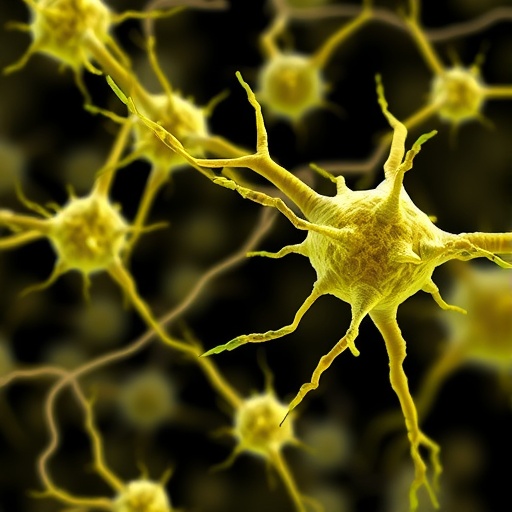
In recent years, the pervasive presence of plastic pollution in the environment has stirred significant concern among scientists and the general public alike. Now, a groundbreaking study has shed light on how these ubiquitous pollutants, specifically nano- and micro-sized polystyrene particles, impact the fundamental workings of the small intestine — a critical site for nutrient absorption and immune defense. This pioneering research investigates the intricate effects of these particles on both small intestinal epithelial functions and the enteric nervous system, using sophisticated in vitro models. The findings, recently published in Micropl.&Nanopl., represent a crucial step in unraveling the complex interactions between ingested plastics and human gut physiology.
Polystyrene, widely used in packaging and consumer goods, frequently disintegrates into microscopic particles that humans inadvertently consume daily through food, water, and even air. While previous studies have highlighted the potential for microplastics to trigger inflammation and disrupt gut microbiota, comprehensive insights into their direct effects on gut epithelial cells and neurons have remained scarce. This novel study addresses this gap by meticulously examining how nano- (particles less than 100 nm) and micro-sized (ranging from 1 µm to 5 µm) polystyrene particles influence key epithelial cell parameters such as barrier integrity, cellular metabolism, and ion transport, alongside assessing neuronal activity within the enteric nervous system.
The research leverages cutting-edge in vitro intestinal epithelial cell cultures integrated with enteric neuronal components. This sophisticated setup allows for controlled exposure to precisely characterized polystyrene particles, mimicking realistic scenarios of gut-lumen interaction. Researchers observed that nano-sized particles penetrated epithelial layers more profoundly than their micro-sized counterparts, leading to notable alterations in epithelial permeability. Such disruption of the gut barrier function poses risks for increased translocation of harmful substances, potentially triggering systemic inflammatory responses.
Intriguingly, cellular metabolic activity assays revealed a dose-dependent decline upon exposure to nanoplastics, indicating potential cytotoxicity or metabolic dysfunction induced by these tiny particles. This decline could have profound implications on nutrient absorption efficiency, as the intestinal epithelium’s energetic health is closely tied to its capacity for processing and transporting vital nutrients. In contrast, microplastics exhibited less pronounced metabolic impacts but still altered ion transport dynamics, hinting at subtle but significant cellular stress responses.
The study also probed the influence of these polystyrene particles on enteric neuronal activity, a vital but often overlooked aspect of gut health. The enteric nervous system, sometimes dubbed the “second brain,” orchestrates local gut movements and secretions. Results demonstrated that nanoparticles exerted modulatory effects on neuronal firing patterns, potentially disrupting gut motility and signaling pathways vital for coordinated digestive processes. Such neuronal interference might underpin gastrointestinal symptoms commonly reported in individuals with high environmental plastic exposure.
Further analysis highlighted that these changes in epithelial and neuronal functions were interconnected, suggesting a complex crosstalk disruption caused by nanoparticle exposure. This interplay may exacerbate gut dysregulation, leading to alterations in digestion and local immune responses. The researchers underscore that while acute toxicity was not observed at environmentally relevant particle concentrations, chronic exposure scenarios necessitate urgent exploration given the persistent accumulation of plastics in the human gut.
This investigation sheds light on the multifaceted biological impacts of polystyrene particles and raises critical questions about human health risks linked to the global plastic crisis. It underscores the urgent need for regulatory attention and comprehensive risk assessment frameworks that consider the subtler, yet potentially debilitating, effects of micro- and nanoplastics on gut function. The findings could also pave the way for novel therapeutic interventions aimed at mitigating plastic-induced gastrointestinal disturbances.
Importantly, the research’s in vitro methodology serves as a valuable blueprint for future toxicological studies, emphasizing the value of combining cellular and neuronal analyses to derive holistic insights into gut-environment interactions. By reproducing critical components of the intestinal microenvironment, the study provides a highly relevant platform for evaluating not only plastics but other environmental pollutants that may affect gut health.
The implications of these discoveries extend beyond gastrointestinal health. Emerging evidence increasingly correlates gut dysfunction with a diverse spectrum of systemic diseases, including metabolic disorders, neurodegenerative conditions, and immune dysregulation. Hence, understanding how common plastic contaminants influence gut epithelial and neuronal biology could reveal new pathways linking environmental pollution to broader public health challenges.
Industry stakeholders and policymakers must heed these findings, adopting a precautionary approach toward plastic use and disposal. Investing in sustainable materials and enhancing public awareness about the insidious health effects of plastic ingestion could be pivotal steps in safeguarding long-term human health. Furthermore, clinicians should remain vigilant about patients presenting unexplained gastrointestinal symptoms potentially linked to environmental toxin exposure.
As large-scale epidemiological and longitudinal studies are still lacking, this work sets the stage for multidisciplinary research endeavors bridging environmental science, gastroenterology, and neurobiology. Investigating how individual factors such as genetics, microbiota composition, and diet modulate responses to ingested plastics will be vital in crafting personalized prevention and treatment strategies.
In conclusion, this seminal research delineates the nuanced but significant impact of nano- and micro-polystyrene particles on small intestinal epithelial functions and enteric neuronal activity. By illuminating the subtle mechanisms by which these particles compromise gut barrier integrity, metabolism, and neuronal signaling, it calls for intensified scientific scrutiny and proactive mitigation efforts to address the pervasive threat that plastic pollution poses to human health. The gut, as a frontline organ confronting ingested pollutants, now emerges as a critical arena in the global battle against environmental toxins.
The findings published by Elfers, Benz, Burmester, and colleagues resonate as an urgent scientific warning and a compelling call to action — emphasizing that the invisible plastics we ingest daily may quietly undermine one of the most vital and sensitive systems in the human body. As the crisis of plastic pollution deepens, unravelling these hidden health impacts will be paramount to ensuring a healthier future for generations to come.
Subject of Research: Effects of nano- and micro-polystyrene particles on small intestinal epithelial functions and enteric neuronal activity in vitro
Article Title: Effect of nano- and micro-polystyrene particles on small intestinal epithelial functions and enteric neuronal activity in vitro
Article References:
Elfers, K., Benz, P., Burmester, M. et al. Effect of nano- and micro-polystyrene particles on small intestinal epithelial functions and enteric neuronal activity in vitro. Micropl.&Nanopl. 5, 3 (2025). https://doi.org/10.1186/s43591-025-00110-3
Image Credits: AI Generated


