

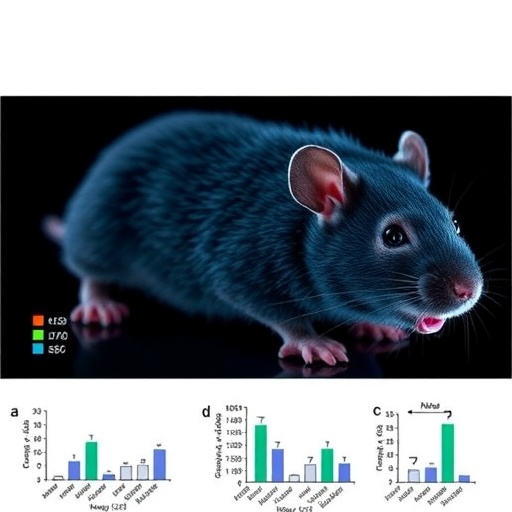
Researchers have made groundbreaking observations in the field of reproductive biology, particularly concerning the intricate mechanisms that regulate male fertility. Their study delves into the effects of N-acetylcysteine (NAC), a powerful antioxidant, on the expression of key genes associated with male reproductive functions in a rat model of varicocele—a condition that is known to impair male fertility. The implications of this research are enormous, as they could pave the way for novel therapeutic approaches to treating male infertility.
The condition of varicocele is characterized by the abnormal expansion of veins within the scrotum, leading to elevated testicular temperature and impaired spermatogenesis. Varicocele affects a significant number of men, often leading to reduced sperm quality and hormonal imbalances. The study led by Shokoohi and colleagues paints a clearer picture of how oxidative stress, commonly linked to varicocele, contributes to these reproductive challenges.
At the heart of this research is N-acetylcysteine, which has garnered considerable attention for its antioxidant properties. NAC plays a critical role in replenishing intracellular levels of glutathione, a potent antioxidant that combats oxidative stress. In this study, the researchers administered NAC to rat models exhibiting varicocele, looking specifically at its effects on the expression of five pivotal genes responsible for reproductive health: FSHR, LHCGR, Catsper-1, Catsper-2, and SF-1.
Follicle-stimulating hormone receptor (FSHR) and luteinizing hormone receptor (LHCGR) are crucial for regulating gonadal function and spermatogenesis. The modulation of these receptors can directly impact testosterone biosynthesis, thereby influencing sperm production. This study demonstrates that NAC administration significantly enhances the expression of both FSHR and LHCGR, suggesting that NAC may help restore hormonal balance in affected males.
The Catsper (Cation Channel of Sperm) proteins, specifically Catsper-1 and Catsper-2, are integral for sperm motility and function. Defective expression of these proteins can lead to poor sperm movement and fertilizing ability. The study highlights that NAC not only improved the expression of these channels but may also enhance sperm mobility and functionality in the presence of a varicocele.
SF-1, or steroidogenic factor 1, is a transcription factor that plays a key role in regulating the development and function of steroidogenic tissues, including the testes. The findings indicate that NAC treatment resulted in elevated levels of SF-1 expression, which could support the synthesis of critical hormones necessary for maintaining sperm health and production. The augmentation of this gene by NAC treatment is promising for restoring optimal testicular function.
Moreover, the research sheds light on the relationship between oxidative stress and gene expression in the context of male infertility. In conditions characterized by high oxidative stress, such as varicocele, the production of reactive oxygen species can lead to apoptotic cell death and disrupted hormonal signaling. By alleviating oxidative stress through NAC supplementation, the study underscores a potential pathway to therapeutic intervention in male infertility stemming from varicocele.
As the scientific community continues to unravel the complexities of male fertility, the potential of NAC as a simple and effective treatment option deserves further exploration. This research suggests that the antioxidant properties of NAC may serve as a viable strategy for mitigating the adverse effects of varicocele on testicular function. Future studies are crucial to determine the clinical applicability of these findings, including appropriate dosages and long-term effects on male fertility.
Understanding the molecular mechanisms underlying varicocele-induced infertility is essential for developing targeted therapies that can prevent or reverse damage. The innovative approach taken by Shokoohi and his team not only provides insight into the pathophysiology of varicocele but also highlights the importance of antioxidants in maintaining reproductive health. The potential to translate these findings from bench to bedside might offer hope for countless men struggling with infertility issues linked to varicocele.
As awareness grows surrounding male reproductive health and its underlying causes, this study emphasizes the need for accessible treatments that can empower men facing infertility challenges. With additional research, NAC could emerge as part of a multifaceted approach to male reproductive therapies, enhancing the quality of life for many affected individuals.
In a world increasingly focused on reproductive health, findings such as these are crucial as they not only deepen our understanding of male fertility but also encourage continued investigation into antioxidant therapies. The repercussions for couples attempting to conceive are immense, offering a renewed sense of hope where there was once despair. The contributions of Shokoohi et al. serve as a pivotal step forward in addressing the widespread issue of male infertility and the potential remedies available.
Ultimately, the implications of this research extend beyond the laboratory. By providing new avenues for intervention, scientists are not only enhancing our comprehension of reproductive biology but are also moving closer to tangible solutions for those affected by male infertility, particularly in the presence of complications like varicocele. The journey towards understanding and improving male fertility continues, fueled by studies that challenge conventions and inspire innovative treatment strategies.
This groundbreaking work stands at the intersection of medical research and real-world application, underscoring the necessity for ongoing studies that intertwine scientific inquiry with patient care. As we look forward to the potential advancements that could arise from this research, one thing is clear: the role of antioxidants like N-acetylcysteine might be pivotal in shaping the future of male reproductive health.
Subject of Research: The effects of N-acetylcysteine (NAC) on gene expression related to male fertility in a rat model of varicocele.
Article Title: N-acetylcysteine Improved Expression of FSHR, LHCGR, Catsper-1, Catsper-2, and SF-1 Genes in Testis of Rats with Varicocele.
Article References:
Shokoohi, M., Nasr Esfahani, M.H., Khaki, A.A. et al. N-acetylcysteine Improved Expression of FSHR, LHCGR, Catsper-1, Catsper-2, and SF-1 Genes in Testis of Rats with Varicocele.
Reprod. Sci. (2025). https://doi.org/10.1007/s43032-025-02018-y
Image Credits: AI Generated
DOI: https://doi.org/10.1007/s43032-025-02018-y
Keywords: N-acetylcysteine, varicocele, male infertility, FSHR, LHCGR, Catsper, SF-1, antioxidants, reproductive biology.


