

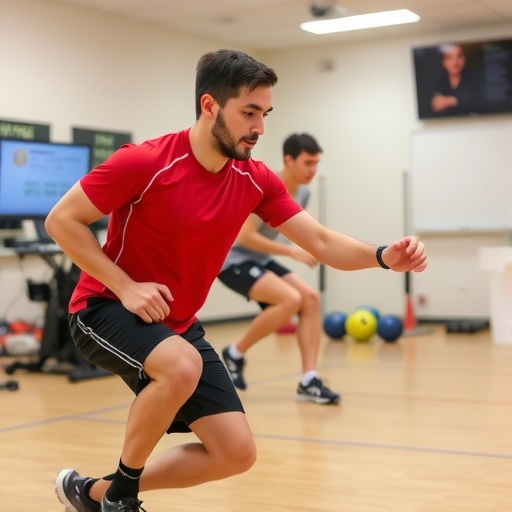
Revolutionizing Physical Education: A Groundbreaking Approach to Teaching Effectiveness via Multimodal Machine Learning
In the ever-evolving landscape of education, the integration of advanced technologies is increasingly becoming a focal point in the quest for enhanced teaching efficacy. A recent study led by researcher Y. Zhang presents a pioneering evaluation system specifically tailored for physical education, underpinned by the principles of multimodal machine learning. This innovative framework stands to reshape how educators assess and improve teaching outcomes in physical education settings.
As the demand for effective teaching strategies in various disciplines grows, the need for tailored evaluation systems becomes ever more pressing. Traditional assessment methods often fall short in capturing the multifaceted nature of teaching effectiveness, especially in dynamic fields like physical education. Zhang’s research addresses this gap by leveraging the capabilities of multimodal machine learning, a technology that utilizes multiple data sources to provide a more holistic view of teaching performance.
At the core of Zhang’s evaluation system is the collection of diverse data types, including video recordings of classes, student feedback, and performance analytics. By utilizing these varied data modalities, the system can analyze not only the educator’s instructional techniques but also the engagement and outcomes observed among students. This comprehensive approach allows for a richer understanding of the teaching-learning dynamic, moving beyond mere quantitative metrics to evaluate qualitative factors as well.
Multimodal machine learning’s integration into physical education assessment holds profound implications. The capacity to analyze multiple channels of data simultaneously offers insights that are often missed by traditional methods focused on singular assessments. For example, analyzing video footage of teaching sessions can reveal nuances in instructional style while accompanying student assessments can provide context regarding engagement levels and overall effectiveness. This multidimensional analysis empowers educators to refine their approaches based on concrete evidence rather than anecdotal observations.
The implications of this study extend beyond just enhancing assessment techniques; they resonate with broader shifts in educational philosophy. As the world becomes increasingly data-driven, the emphasis on evidence-based practices in education follows suit. Zhang’s research not only introduces a new model for evaluation but also aligns with the growing movement toward utilizing technology to inform teaching strategies and improve student outcomes.
Moreover, the multimodal aspect of this research underscores the importance of adaptive learning environments. By capturing a wide array of data, the evaluation system can provide real-time feedback, allowing educators to adjust their methods dynamically based on student responses and interactions. This adaptability underscores the potential for optimizing learning experiences, ensuring that students receive tailored instruction that resonates with their individual needs.
In practical application, the system can be implemented across various educational settings, from primary schools to universities. The versatility it offers makes it suitable for a range of physical education programs, ensuring that regardless of the context, the principles of multimodal analysis can be adapted and utilized effectively. Educators equipped with this system can identify not just their strengths but also areas for improvement, fostering a culture of continuous growth and development.
Furthermore, the research highlights the emerging role of artificial intelligence in education. Machine learning algorithms can sift through vast datasets, identifying patterns and correlations that human evaluators might overlook. This capacity allows for more informed decision-making processes and a stronger foundation for devising effective teaching strategies. By harnessing the power of AI, educators can move towards a more precision-oriented approach to teaching.
It’s essential to remember that implementing such a sophisticated system requires careful consideration of ethical and logistical concerns. Data privacy and security must be paramount, especially when handling sensitive information such as student performance data. Educators and institutions must ensure that any data used in the evaluation process adheres to strict guidelines to protect student identities and personal information.
As technological advancements continue to reshape educational landscapes, the relevance of multimodal machine learning will only grow. Zhang’s study is a significant step in highlighting the potential for these technologies to improve how physical education is taught and assessed. By embracing these innovations, educators can take full advantage of the tools at their disposal, driving forward an era of more effective and responsive teaching practices.
In conclusion, Y. Zhang’s research presents a significant milestone in the field of physical education assessment. By establishing a comprehensive evaluation system that employs multimodal machine learning, educators are provided with a powerful tool for understanding and enhancing their teaching effectiveness. This research not only serves as a catalyst for further exploration in educational methodologies but also holds the promise of transforming physical education into a more accountable and engaging learning experience. With this foundational study, the door is wide open for future inquiries to expand on these findings, ultimately enriching the pedagogical frameworks of physical education worldwide.
Subject of Research: Physical Education Teaching Effectiveness Evaluation System
Article Title: A comprehensive evaluation system for physical education teaching effectiveness supported by multimodal machine learning
Article References:
Zhang, Y. A comprehensive evaluation system for physical education teaching effectiveness supported by multimodal machine learning.
Discov Artif Intell (2025). https://doi.org/10.1007/s44163-025-00765-0
Image Credits: AI Generated
DOI:
Keywords: Physical Education, Teaching Effectiveness, Multimodal Machine Learning, Data-Driven Education, Artificial Intelligence, Continuous Improvement, Student Engagement, Evidence-Based Practices.


