

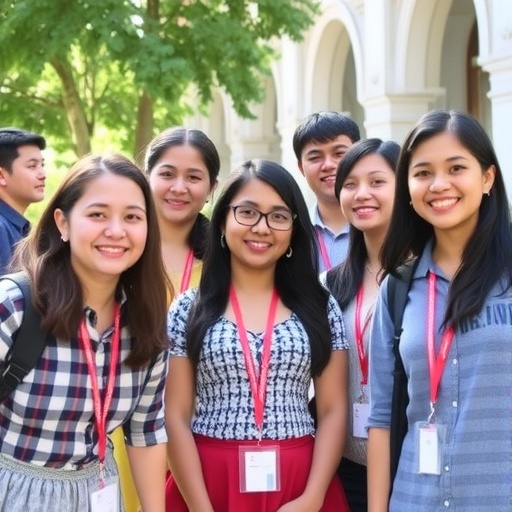
In a groundbreaking study set to be published in 2026, researchers Hilderbrand-Chae and Li explore the nuanced experiences of high school students hailing from multilingual homes as they embark on a transformative summer research internship. This research sheds light on the intersection of language diversity and educational experiences, particularly during pivotal transitional periods in a young student’s academic journey. Capturing the voices of these students, the findings offer fresh insights into how their multilingual backgrounds influence their engagement, motivation, and overall experiences within structured educational environments.
The increasing globalization of educational settings has highlighted the importance of understanding the unique challenges and strengths of students from multilingual backgrounds. The authors aim to address a critical gap in current literature, which often overlooks the lived experiences and perceptions of these students. By employing qualitative research methods, Hilderbrand-Chae and Li were able to intricately document the multifaceted experiences of these high schoolers in a summer research context, allowing for greater depth and real-time observations of their interactions.
In recent years, summer internships have emerged as valuable opportunities for high school students. Researchers suggest that these immersive experiences can serve as a crucial springboard for academic and professional development. However, for students coming from multilingual homes, the dynamics of such internships can vary significantly. As these students navigate choices not only in terms of research topics but also in communicating their ideas across languages, the potential benefits and challenges become pronounced. This study delves deep into these dynamics, offering compelling narratives that highlight both adversity and resilience.
One of the key observations made during this research is how students’ language skills in both their native tongues and in English play a dynamic role in their internships. Students often find themselves switching languages in ways that reflect their diverse identities, which can contribute to a deepened understanding of the research themes they engage with. This code-switching often becomes a powerful tool that enhances their creativity and analytical thinking, demonstrating that multilingualism can be an asset rather than a barrier in academic settings.
Moreover, the study indicates that mentorship is critical in shaping the experiences of these multilingual students. Mentors who are sensitive to the linguistic and cultural complexities of their mentees create environments where students feel more comfortable expressing themselves and exploring their interests. The findings suggest that supportive mentoring leads to increased confidence among students, allowing them to delve deeper into their research and participate more fully in collaborative discussions. This highlights the role of mentorship in bridging cultural divides and fostering an inclusive educational atmosphere.
Throughout the internships, many students expressed feeling torn between their home culture and the predominant culture in their educational settings. These tensions often manifest during collaborative projects when students struggle to reconcile their multilingual identities with the expectations of their peers and instructors. The study captures poignant anecdotes that illustrate how these internal conflicts can affect students’ performance and well-being. Yet, it also reveals how a supportive network helps students navigate these challenges, ultimately leading to a more enriching experience.
As the internship progresses, the researchers uncovered distinctive patterns in how students approach problem-solving. Those with strong ties to their bilingual heritage tend to use their diverse linguistic skills to frame unique perspectives, questioning existing paradigms and proposing innovative solutions to research problems. This creative thinking, fueled by their multilingual backgrounds, can enrich the research output and contribute to more nuanced findings. The research underscores the importance of valuing diverse thought processes in academic contexts.
Furthermore, the implications of the study extend beyond the scope of the internships themselves. The insights garnered from the experiences of multilingual students can inform educators and policymakers on how to better structure programs and curricula that embrace linguistic diversity. Emphasizing an adaptive pedagogical approach can lead to sustained academic achievement and engagement among students from varied backgrounds. By integrating these insights into educational practice, institutions can create a more inclusive framework that celebrates linguistic diversity.
In contemplating the future of education in a multilingual world, the significance of this research cannot be understated. As migration patterns continue to evolve and language diversity increases, understanding the lived experiences of students from multilingual homes is essential. This longitudinal study serves as a beacon of hope, demonstrating that with the right structures and support in place, students can thrive both academically and personally in their educational journeys.
As they wrap up their research, Hilderbrand-Chae and Li are optimistic about the potential applications of their findings. They envision workshops and training programs aimed at educators to help them understand and cultivate the benefits of multilingualism in their classrooms. By equipping teachers with the tools and knowledge to address the specific needs of multilingual students, the hope is to foster an educational environment where all students can flourish.
In summary, the anticipated publication by Hilderbrand-Chae and Li promises to deliver a compelling narrative that not only illuminates the multifaceted experiences of high school students from multilingual homes but also challenges existing educational paradigms. Their work beckons a wider recognition of the richness that linguistic diversity brings to academic research and educational settings. As the discourse around inclusivity and representation continues to evolve, this research stands as a pivotal contribution, advocating for the voices that often go unheard in traditional narratives.
In preparation for release, the academic community eagerly awaits the discussions and reflections that this research will undoubtedly ignite. The conversation surrounding multilingual education is poised to enter a new phase, one that centers on real experiences and the transformative power of diversity in learning contexts. This study serves as a vital contribution to that dialogue, setting the stage for a more inclusive and thoughtful approach to education in the years to come.
Subject of Research: Lived experiences of high school students from multilingual homes during a summer research internship.
Article Title: Lived experiences of high school students from multilingual homes in a summer research internship.
Article References:
Hilderbrand-Chae, M.J., Li, Y. Lived experiences of high school students from multilingual homes in a summer research internship.
Discov Educ (2026). https://doi.org/10.1007/s44217-025-01078-1
Image Credits: AI Generated
DOI:
Keywords: Multilingual education, high school students, summer internships, lived experiences, mentoring, inclusive education.


