

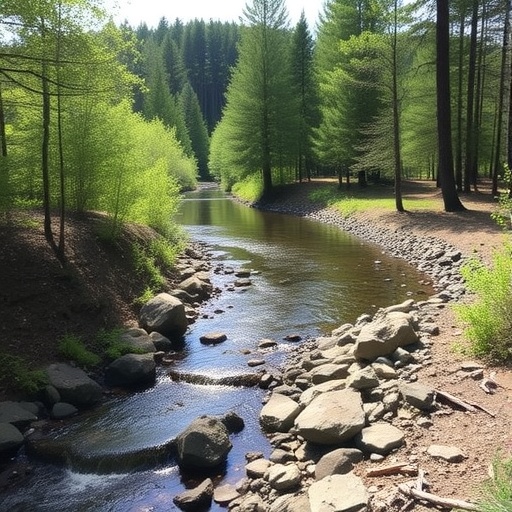
Recent studies have shed light on the intricate relationship between phosphorus, potentially toxic elements, and their presence in various environmental mediums such as stream waters, sediments, mine tailings, and pines in the Lake Anna watershed, Virginia. The research conducted by Kohlhaas, Schroeder, and Richardson provides a comprehensive understanding of how these factors interact and affect the ecosystem at large. With pollution becoming an ever-increasing threat to aquatic habitats, it is essential to investigate the specific components that contribute to the degradation of our natural resources.
Phosphorus is a vital nutrient in many ecosystems, playing a critical role in plant growth. However, its excessive presence in water bodies can lead to detrimental effects, including algal blooms that deplete oxygen and harm aquatic life. In this study, the researchers discovered elevated phosphorus levels in various components of the Lake Anna watershed, signaling a need for more in-depth analysis of its sources and impacts. This phenomenon poses significant questions regarding agricultural runoff and wastewater management practices in the region.
Another focal point of this research was the identification of potentially toxic elements found in sediments and water samples taken from the watershed. It is concerning to find such elements, often associated with mining activities, may leach into the ecosystem. The potential health risks posed to both wildlife and humans must be prioritized, as heavy metal contamination has been linked to serious health conditions. By examining these elements, the study emphasizes the importance of addressing historical and ongoing mining impacts on the environment.
The researchers conducted an extensive data collection effort across various sites within the Lake Anna watershed, enabling them to ascertain a more nuanced picture of the environmental health in the region. Water samples, sediment analysis, and pine tissue analysis all contributed to a multidimensional understanding of the ecosystem’s current state. The use of cutting-edge analytical techniques ensured that data were not only accurate but also presented in a manner that would stand up to scrutiny from the scientific community.
Biochar-lime remediation emerged as a crucial aspect of this study, offering a potential pathway to mitigate the effects of excess phosphorus and toxic elements. Biochar, a carbon-rich product derived from biomass, has been known for its ability to improve soil health and retain nutrients. When combined with lime, a soil amendment that adjusts acidity levels, the two substances can work collaboratively to create a more balanced ecosystem while reducing contaminants in waters and soils.
The pooling of resources and studies specifically focused on biochar-lime remediation opens the door for future investigations into sustainable agricultural practices. Farmers could implement these solutions to counteract high levels of phosphorus runoff while simultaneously improving the condition of their soils. This alignment of sustainable practices with government policies aiming for healthier ecosystems paints a hopeful picture for the future of farming and water management.
One notable challenge faced by the researchers was the complex interplay of various environmental factors at work in the Lake Anna watershed. Water flow patterns, sediment deposition rates, and anthropogenic influences all contributed to the variations in phosphorus and toxic elements detected throughout the area. Understanding these dynamics was central to establishing a concrete response strategy.
The publication of this research is expected to generate discussions among environmental scientists, policymakers, and stakeholders interested in the health of the Lake Anna watershed. Collaborative efforts aimed at understanding how to reclaim and protect these ecosystems will be paramount. Such dialogue is essential to ensure that environmental policies reflect the current state of ecological vulnerabilities.
Moreover, this investigation could serve as a blueprint for similar studies in different regions affected by mining activities or agricultural runoff. The results from Lake Anna may yield insights applicable not only to Virginia but to other areas grappling with comparable ecological concerns. This approach encourages a shared responsibility for environmental stewardship across various jurisdictions.
In addressing these pressing environmental issues, it is essential to translate research findings into actionable policy changes. Policymakers will need to consider the implications of phosphorus loading and toxic elements on water quality when crafting regulations and guidelines. Comprehensive regulatory frameworks that emphasize water quality management are necessary to safeguard public health and preserve natural resources effectively.
The researchers have set a precedent with their scientific inquiry, providing valuable insights that could lead to larger-scale studies and global attention on the effects of pollution in freshwater ecosystems. Their findings illuminate a path toward sustainable environmental solutions that could potentially reshape both public policy and local agricultural practices in the years to come.
This study’s broad implications for ecosystem health and management are accompanied by a pressing call to action for increased research financing. By investing in studies like this one, we build a foundation of knowledge that underpins the preservation of our natural environment. In the wake of escalating environmental pressures, interdisciplinary collaboration will be essential in developing comprehensive approaches to ecological restoration.
The specific implications for the Lake Anna watershed call for immediate action on the part of both local authorities and community stakeholders. The successful implementation of biochar-lime remediation strategies may provide a model for similar initiatives elsewhere, fostering a proactive attitude toward managing pollution impacts. Together, these efforts can significantly influence the overall health of ecosystems, benefitting both nature and human populations alike.
In conclusion, the research conducted by Kohlhaas, Schroeder, and Richardson serves as a critical reminder of the ongoing challenges posed by anthropogenic influences on natural environments. Their work emphasizes the urgent need to understand and address these issues through innovative solutions and collaborative efforts. If we aspire to protect our water bodies and surrounding ecosystems, embracing sustainable practices and scientific inquiry will be more critical than ever.
Subject of Research: Phosphorus and potentially toxic elements in the Lake Anna watershed
Article Title: Phosphorus and potentially toxic elements in stream waters, sediments, mine tailings, and pines across Lake Anna watershed, VA, USA, and biochar-lime remediation.
Article References:
Kohlhaas, R.T., Schroeder, S.E. & Richardson, J.B. Phosphorus and potentially toxic elements in stream waters, sediments, mine tailings, and pines across Lake Anna watershed, VA, USA, and biochar-lime remediation.
Environ Sci Pollut Res (2026). https://doi.org/10.1007/s11356-025-37328-w
Image Credits: AI Generated
DOI: https://doi.org/10.1007/s11356-025-37328-w
Keywords: water quality, phosphorus, toxic elements, biochar-lime remediation, environmental science, Lake Anna watershed, ecosystem health, sustainable practices, pollution management.


