

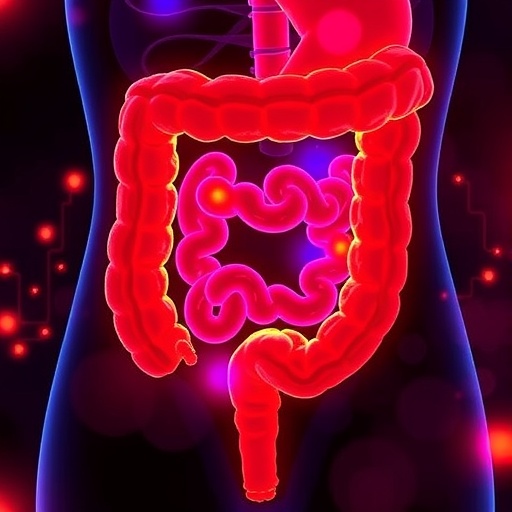
In the ongoing quest to better understand and combat inflammatory diseases, recent research has spotlighted a compelling avenue of exploration centered on the gut microbiome. The study, spearheaded by Guo, Chen, Zhang, and their colleagues, delves into the intricate interactions between microbial communities and human health, particularly focusing on the role of a unique molecule known as the Microbial Anti-Inflammatory Molecule (MAM). This molecule is secreted by the gut bacterium Faecalibacterium prausnitzii, which has been consistently associated with intestinal health and a robust microbiota composition.
Chronic inflammation, often observed in conditions such as colitis, presents significant health challenges globally. Traditional therapeutic approaches, while effective, frequently come with a host of side effects and do not address the underlying causes of such inflammatory responses. The innovative research conducted by this group aims to unveil a new paradigm in the treatment of colitis, linking gut microbiota modulation with enhanced autophagy—a cellular process crucial for maintaining homeostasis and responding to stressors.
At the core of their findings is the notion that MAM, a metabolic byproduct of Faecalibacterium prausnitzii, plays a pivotal role in regulating immune responses within the gut. This microbial molecule has shown the ability to mitigate inflammatory processes effectively. The researchers noted that the introduction of MAM into experimental models resulted in a discernible reduction in signs of colitis, marked by decreased inflammation and improved histological scores of tissue integrity.
In addition to direct anti-inflammatory effects, the study sheds light on how MAM influences gut microbiota diversity. The gut hosts a complex ecosystem of microorganisms that performs essential functions, including nutrient absorption and immune system modulation. The researchers observed that MAM treatment led to a notable shift in microbial composition, enhancing the presence of beneficial microbes while inhibiting the proliferation of harmful species. This finding underscores the interconnected nature of gut health and immune response.
The implications of these results are far-reaching. By harnessing the power of MAM, there lies the potential for developing new therapeutic strategies that could mitigate inflammation without resorting to conventional medications. The study’s authors suggest that promoting the growth of Faecalibacterium prausnitzii in the gut through dietary interventions or probiotics might amplify the beneficial effects of MAM, creating a synergistic approach to managing gut inflammation.
This research not only broadens our understanding of how specific gut microbes can influence health but also strengthens the argument for personalized medicine. The individual variability in gut microbiota composition means that tailored approaches may yield better outcomes in treating inflammatory diseases like colitis. As we move forward, exploring the therapeutic capabilities of gut-derived molecules like MAM could revolutionize our approach to managing inflammatory conditions.
Moreover, the study elaborates on the mechanisms by which MAM exerts its influence on autophagy pathways. Autophagy, a cellular housekeeping process, is essential for clearing damaged cellular components and ensuring proper immune function. The researchers found that MAM activates autophagic pathways, thereby enhancing the overall responsiveness of immune cells to inflammation. This suggests a dual mechanism through which MAM could ameliorate colitis—by both modulating gut microbiota and enhancing cellular stress responses.
To further validate their findings, the researchers employed advanced sequencing technologies that allowed for detailed profiling of gut microbiota alterations following MAM exposure. Such high-resolution analyses revealed essential insights into the dynamics of microbial communities and their functional implications in inflammatory responses. These methodological advancements not only bolster the reliability of the findings but also pave the way for future research to establish causative relationships within the gut microbiome.
Importantly, the therapeutic prospects of MAM extend beyond colitis. Given its role in modulating immune responses, there is potential for this microbial molecule to be implicated in other inflammatory diseases. Conditions ranging from autoimmune disorders to metabolic syndrome could benefit from an understanding of how gut-derived anti-inflammatory molecules interact with the immune system. As research continues to unravel these complex relationships, we may soon witness an era of microbiome-based therapies that offer safe and effective interventions for a myriad of health issues.
The findings of this research are a testament to the growing recognition of the microbiome as a significant player in human health. Traditional views once relegated gut bacteria to roles merely associated with digestion. However, the expanding body of evidence underscores their involvement in regulating not only metabolic processes but also immune responses, mental health, and overall well-being. The researchers anticipate that increasing public awareness of these findings can stimulate interest in maintaining a healthy gut microbiota through dietary and lifestyle choices.
In conclusion, the study by Guo et al. offers exciting new insights into the role of microbial metabolites in the treatment of colitis and sheds light on the broader implications for inflammatory disease management. By establishing the connection between Faecalibacterium prausnitzii, the secreted MAM, and autophagy, the research opens new frontiers in our understanding of gut health and its profound effects on the human immune system. As we continue to explore the powerful relationship between our microbiome and our health, the findings advocate for a paradigm shift towards integrating microbiome science into clinical practice.
Through this rigorous investigation, the researchers have set the stage for upcoming studies that could further elucidate the mechanisms of action of MAM and its potential applications in treating a wider variety of inflammatory diseases. The call for additional research is crucial, as the promise of microbial therapies could indeed redefine our understanding of health interventions in the modern age. As such, the intersection of microbiology, immunology, and therapeutic innovation may lead us to a future where the solutions to chronic illnesses lie within the microbial communities inhabiting our own guts.
In summary, as the scientific community grapples with the intricacies of human health, the information unearthed in this study serves as a beacon of hope. It unravels the complexities of how microbial interactions can foster health and modulate disease processes, reinforcing the necessity of viewing human health through a multidimensional lens that encompasses both the microbiome and its vast functionalities.
Subject of Research: The role of Microbial Anti-Inflammatory Molecule (MAM) secreted by Faecalibacterium prausnitzii in ameliorating colitis through autophagy and gut microbiota modulation.
Article Title: Microbial Anti-Inflammatory Molecule (MAM) secreted by Faecalibacterium prausnitzii ameliorates colitis through autophagy and gut microbiota modulation.
Article References:
Guo, X., Chen, W., Zhang, Y. et al. Microbial Anti-Inflammatory Molecule (MAM) secreted by Faecalibacterium prausnitzii ameliorates colitis through autophagy and gut microbiota modulation.
J Transl Med (2025). https://doi.org/10.1186/s12967-025-07493-0
Image Credits: AI Generated
DOI: 10.1186/s12967-025-07493-0
Keywords: Microbial Anti-Inflammatory Molecule, Faecalibacterium prausnitzii, colitis, autophagy, gut microbiota, inflammation, metabolic diseases, immune response.


